The key facts
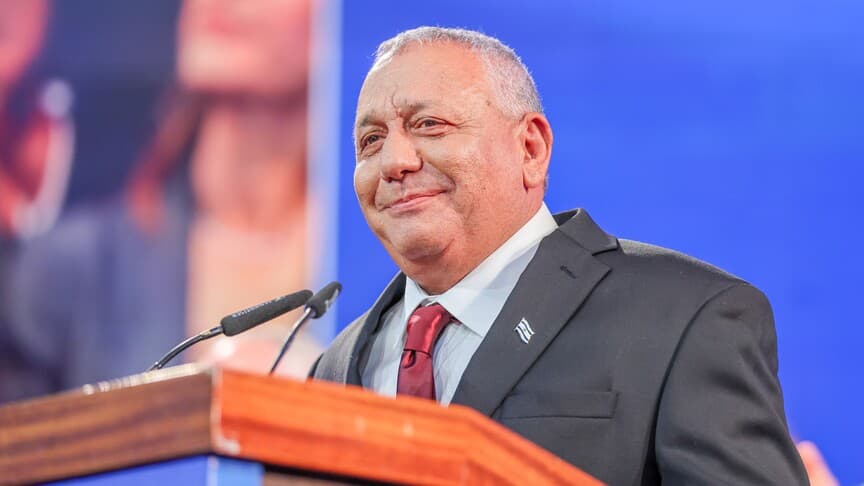
- President Herzog tasked Gadi Eisenkot with forming a government, giving him 28 days with the possibility of a 14-day extension.
- In Hefez's assessment, Netanyahu may make political concessions, including advancing the 'French law' limiting legal proceedings against a sitting prime minister.
- Neither camp can easily secure a majority without the Arab parties or the ultra-Orthodox.
Panic in the Prime Minister's Office
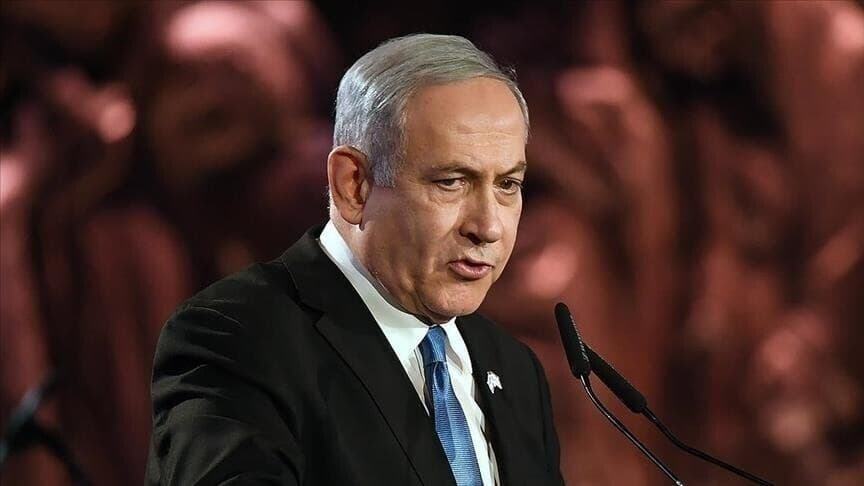
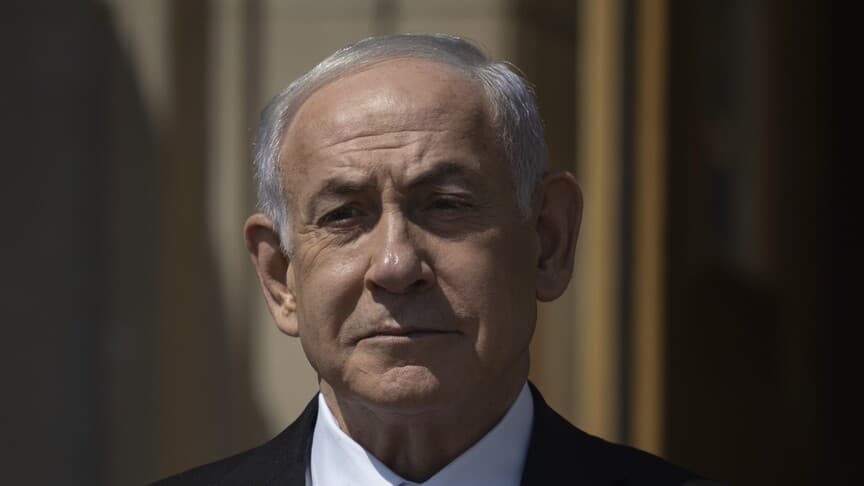
Nir Hefez, a former close adviser to Israeli Prime Minister Benjamin Netanyahu,said on Tuesday on Israeli radio 103FM that the prime minister is living in a 'state of panic' over the prospect of losing power. 'Panic is a fundamental factor in his decision-making. I can almost close my eyes and feel that atmosphere of panic,' Anadolu quoted him as saying. According to Hefez, urgent calls come into Netanyahu's office 'every five seconds,' and they all carry the same message from his wife Sara and son Yair.
Context: mandates and the president's mandate
The remarks were prompted by the political crisis following the October 27 election: opposition parties won 48 seats in the 120-seat Knesset, and two Arab parties won 19, giving Netanyahu's opponents a combined 67 seats, while his bloc won 53. On Sunday, President Isaac Herzog tasked Yashar party leader Gadi Eisenkot with forming a government, allotting 28 days with the possibility of a 14-day extension; since then, Eisenkot has been holding consultations with the parties. Hefez believes Eisenkot poses a particular challenge for Netanyahu because he is hard to pressure politically: 'Eisenkot is not afraid of him… Eisenkot will not stumble.'
What Hefez believes will change
Hefez described a radical change in Netanyahu's lifestyle should he move into opposition — from losing the helicopter and the Wing of Zion aircraft to the consequences for the corruption trial, which has been ongoing since 2020 on charges of bribery, fraud and breach of trust in three cases; Netanyahu denies the charges. According to him, the District Court panel, which 'currently allows attorney Amit Hadad to steer the proceedings,' will require the defendant's personal presence at every hearing. It is also worth recalling that on November 21, 2024, the International Criminal Court issued an arrest warrant for Netanyahu on suspicion of war crimes and crimes against humanity in Gaza.
Possible concessions and coalition arithmetic
Hefez suggested that as Eisenkot advances toward forming a government, Netanyahu, who is promoting the idea of a national unity government, 'will probably be ready to settle for less.' Among the possible concessions, he named advancing the so-called 'French law,' which limits legal proceedings against a sitting prime minister, possibly bundled with the post of 'alternate prime minister.' In Hefez's assessment, the unity proposal may also be aimed at preserving the alliance with the ultra-Orthodox parties, which has kept Netanyahu in power since 2015. The arithmetic, meanwhile, is unforgiving: neither camp can easily secure a majority without the support of the Arab parties or the participation of the ultra-Orthodox; the United Torah Judaism party declined to recommend anyone for the post of prime minister during consultations with Herzog. According to the report, Netanyahu himself is seeking to prevent the formation of an Eisenkot government, maintaining the alliance with the ultra-Orthodox and opposing any government that includes the Arab parties or depends on their support.