The key facts
- Gadi Eisenkot received the mandate to form a government and has 28 days with a possible 14-day extension
- Netanyahu's bloc holds 53 seats, the opposition 48, and the Arab parties 19; a majority requires at least 61
- Netanyahu's bloc holds 53 seats, the opposition 48, and Arab parties 19; a minimum of 61 is needed for a majority
- Netanyahu is pressuring the ultra-Orthodox parties to derail Eisenkot's coalition
- Netanyahu is pressuring ultra-Orthodox parties to derail Eisenkot's coalition
The Mandate Goes to Eisenkot: A Turning Point for Netanyahu
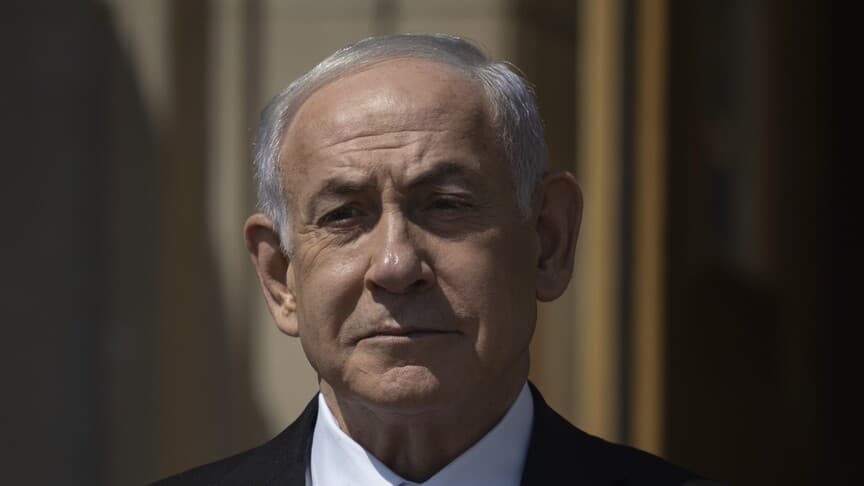
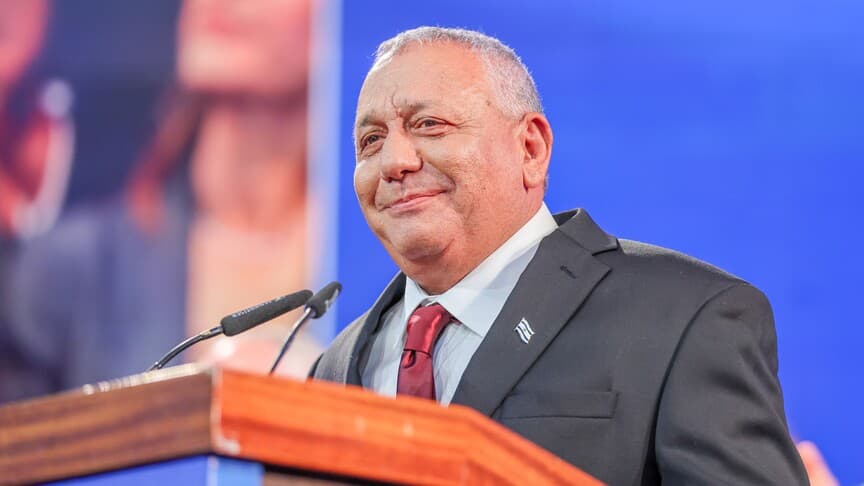
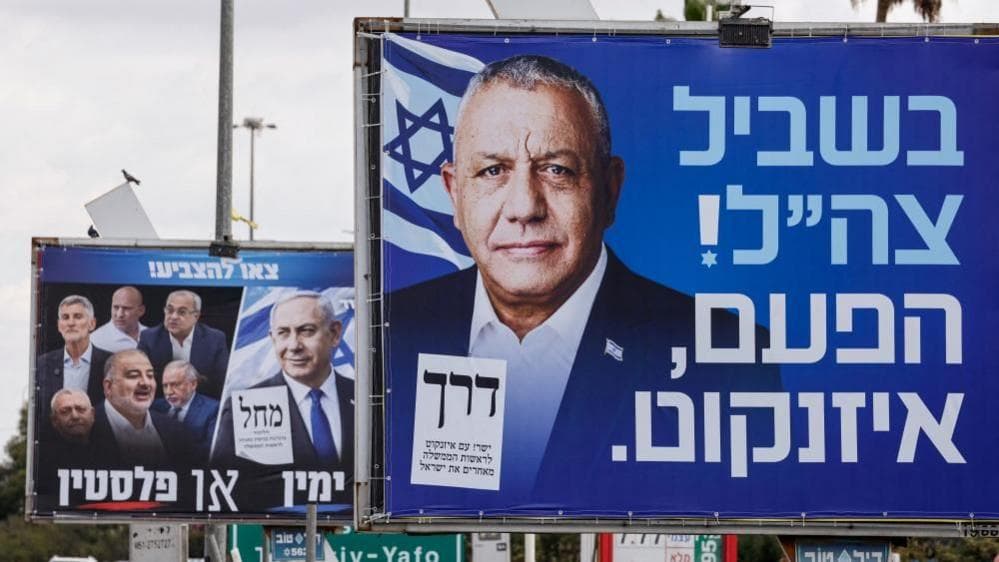
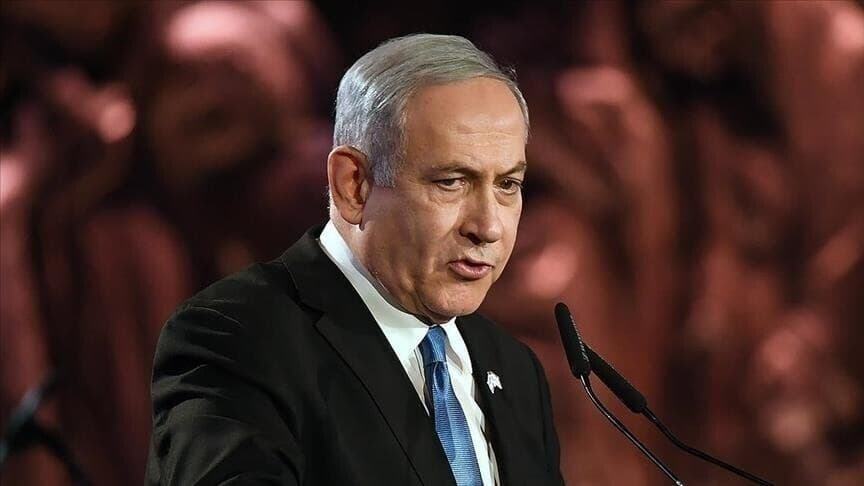
Israeli Prime Minister Benjamin Netanyahu has found himself at a turning point in his political career: on Sunday evening, President Isaac Herzog handed the mandate to form a government to Yashar party leader Gadi Eisenkot. The decisive weight in awarding the mandate came from the recommendations of Arab lawmakers — Netanyahu himself had sought to receive the mandate from Herzog, Anadolu reports. The newly elected Knesset begins its work on Tuesday.
Knesset Arithmetic and Timelines
Under Israeli law, Eisenkot initially has 28 days to form a government, and the president may extend the deadline by up to 14 more days. If he fails, the mandate may go to another lawmaker — potentially including Netanyahu himself, although Herzog is not obliged to appoint him specifically: the next step will depend on constitutional procedures and parliamentary configurations. A stable majority requires at least 61 of 120 deputies, yet neither Netanyahu's bloc (53 seats) nor the opposition (48) has that number; the Arab parties won 19 seats. The recommendations of 67 deputies gave Eisenkot an advantage, but did not remove the contradictions among the parties backing him.
Netanyahu's Pressure and the Split in Likud
Netanyahu has intensified efforts to derail Eisenkot's negotiations: he is pressuring the ultra-Orthodox parties not to join his coalition and warning against a government that relies on the Arab parties. A day before the mandate was handed over, he released a video address calling for the formation of a national unity government, even though he had previously advocated for a broad right-wing government. Maariv political analyst Anna Barsky describes the mood in Likud as fear that the leader may 'lose everything': according to her, party members admit in private conversations that Netanyahu has no real levers to guarantee keeping the ultra-Orthodox in the right-wing camp, and some say 'all we can do is wait for a miracle.' She calls the compromise on military conscription the key question: if Eisenkot offers the Torah and Shabbat party acceptable terms, it will be hard to keep it from agreeing.
Even Netanyahu's Supporters See Risks
Notably, skepticism is also voiced in media loyal to Netanyahu. Right-wing Channel 14 analyst Efrat Brenner believes that even if Torah and Shabbat returns to supporting Netanyahu, his bloc will remain at 53 seats and will still need eight more votes to reach a majority of 61. 'Therefore, derailing Eisenkot's efforts does not necessarily guarantee Netanyahu success in forming a government himself,' she noted. Another Maariv columnist, Mati Tuchfeld, on the contrary, points to reasons for optimism in the prime minister's circle: Netanyahu's associates believe it will be difficult for Eisenkot to meet the ultra-Orthodox demands for exemption from military service, and the partners in the 'bloc of change,' who promised to expand conscription, may resist concessions. In Tuchfeld's view, Netanyahu's calls for a unity government are not merely a general slogan but also an attempt to keep the door open for parties of Eisenkot's camp that do not want a government relying on the Arab parties, who make up about 20% of Israel's population.
The Legal Dimension
Beyond political obstacles, Netanyahu, who continues his trial on corruption charges, may face a legislative restriction: on October 23, the Zman Yisrael website reported on a bill prohibiting the task of forming a government from being given to a Knesset member under indictment. In May 2020, the Supreme Court ruled that the existing legal framework does not prevent this, but according to the website, Netanyahu's opponents may attempt to pass a law limiting the president's powers. An important detail: the measure would not apply during the term of the Knesset that passes it, and would only take effect after the next elections. If Eisenkot does manage to form a government, Netanyahu will go into opposition — a position he has found himself in before — and his chances of returning will depend on parliamentary dynamics and the outcome of the trial. Separately, Anadolu recalls that since November 2024, Netanyahu has been wanted by the International Criminal Court under an arrest warrant related to charges of war crimes and crimes against humanity in the Gaza Strip.