The key facts
- The Knesset was sworn in; Eisenkot received the mandate from President Isaac Herzog and 28 days to form a government, with a possible two-week extension
- Eisenkot's bloc has 48 seats, Netanyahu's bloc 53; both are below the 61 needed for a majority
- Eisenkot's bloc holds 48 seats, Netanyahu's bloc 53; both fall short of the 61 needed for a majority
- Arab alliances took 19 seats for the first time amid record Arab voter turnout and could become the balance of power
- Arab alliances won 19 seats for the first time amid record Arab voter turnout and could become a power broker
Swearing-in of the new Knesset and Eisenkot's mandate
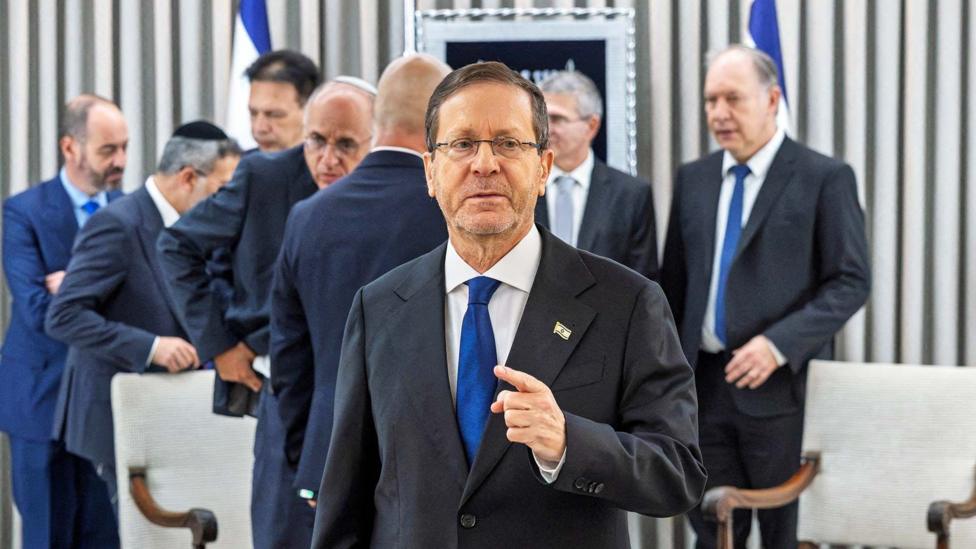
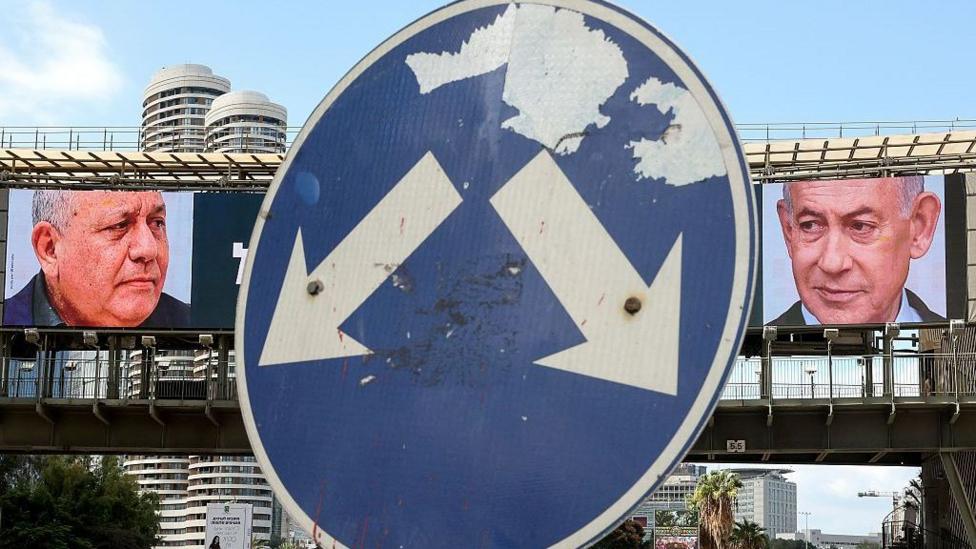
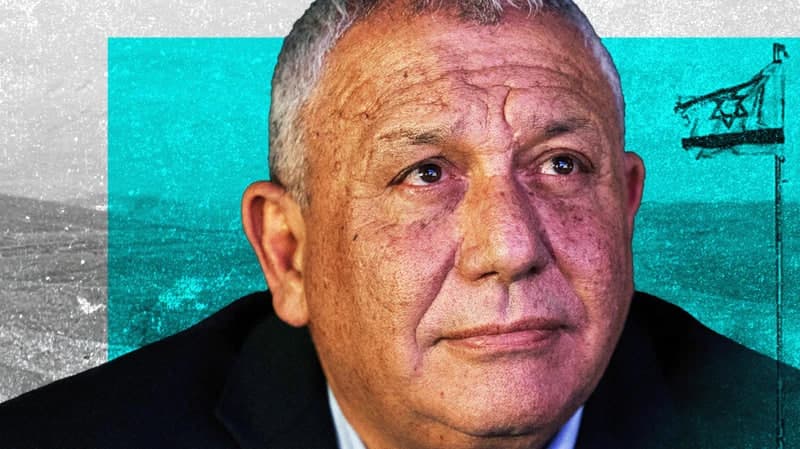
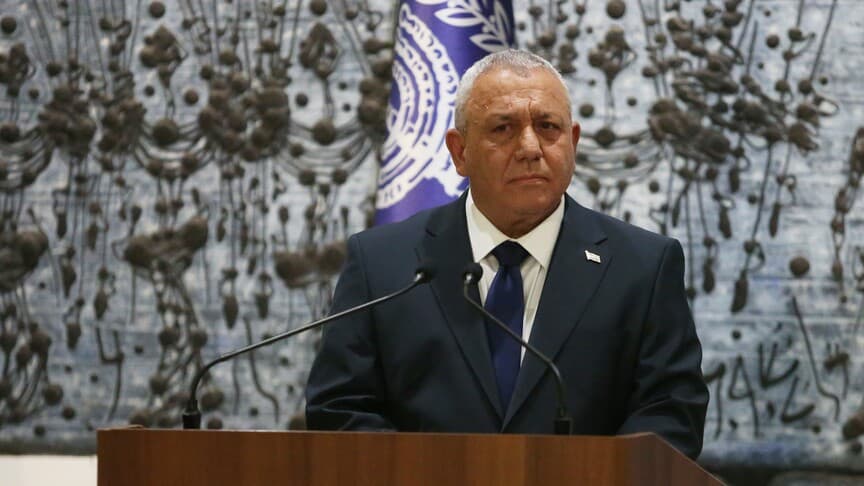
Israel's new parliament was sworn in on Tuesday, while opposition leader Gadi Eisenkot is trying to form a government that would remove incumbent Prime Minister Benjamin Netanyahu from power. This is reported by BBC News. On Sunday, President Isaac Herzog tasked Eisenkot, a former chief of the general staff and leader of the centrist Yashar party, with attempting to form a cabinet after 67 of the 120 Knesset members backed him, against 46 for Netanyahu.
The coalition math: no one has a majority
Eisenkot's task remains difficult: his bloc of four parties won 48 seats in the October election, Netanyahu's bloc 53, and both are far short of the 61-seat majority. Eisenkot has 28 days to form a government, with a possible two-week extension; until then Netanyahu remains caretaker prime minister, and the process itself could take anywhere from days to months. The election was seen as a referendum on Netanyahu, and its outcome has left the country in a period of uncertainty.
Arab parties as kingmakers and Eisenkot's four conditions
One of the most striking results was the record success of two Arab alliances — the United Arab List (8 seats) and the Joint List (11 seats), together 19 mandates amid rising turnout among Arab voters. Netanyahu has ruled out cooperation with them, and three parties in Eisenkot's bloc oppose their inclusion in the coalition. Nevertheless, the United Arab List has declared its readiness to join a coalition led by Eisenkot, while the Joint List has offered external parliamentary support — although Yisrael Beiteinu leader Avigdor Lieberman (7 seats) has so far refused a minority government dependent on Arab lawmakers. Eisenkot announced four conditions for those joining: recognition of Israel as a Jewish and democratic state, commitment to the Declaration of Independence, mandatory military or civilian service for everyone, including groups currently exempted, and recognition of Hamas as a terrorist organization with the aim of eliminating its military and governing capabilities. These requirements complicate negotiations with two groups at once: the ultra-Orthodox UTJ and Shas (13 seats) are firmly against changing the current draft exemption arrangement, while the Arab parties, representing about 20% of the population, mostly do not serve in the army and have not publicly recognized Hamas as a terrorist organization.
Netanyahu's response and possible scenarios
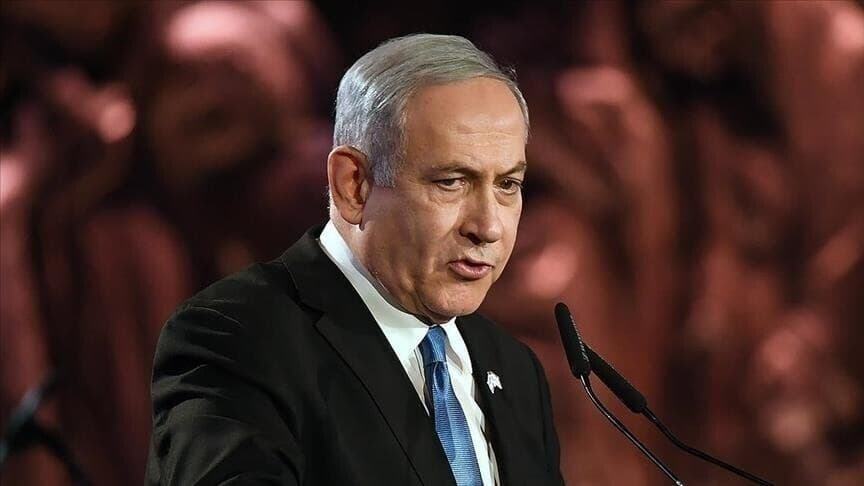
On Monday, Netanyahu again called for the formation of a national unity government under his leadership, allowing the participation of any 'Zionist' parties, including opposition ones, and warned against relying on what he called 'Islamists': 'A government cannot be formed with supporters of Hamas,' BBC News quotes him as saying. Earlier, the outlet examined four possible scenarios for breaking the deadlock, and 5 days ago it reported on the start of the president's consultations with the parties; the practical outcome now depends on whether Eisenkot agrees to a minority government with external support from the Arab lists, or makes concessions to the ultra-Orthodox on military conscription — an option that, according to the BBC, may prove unacceptable to most parties in his bloc.
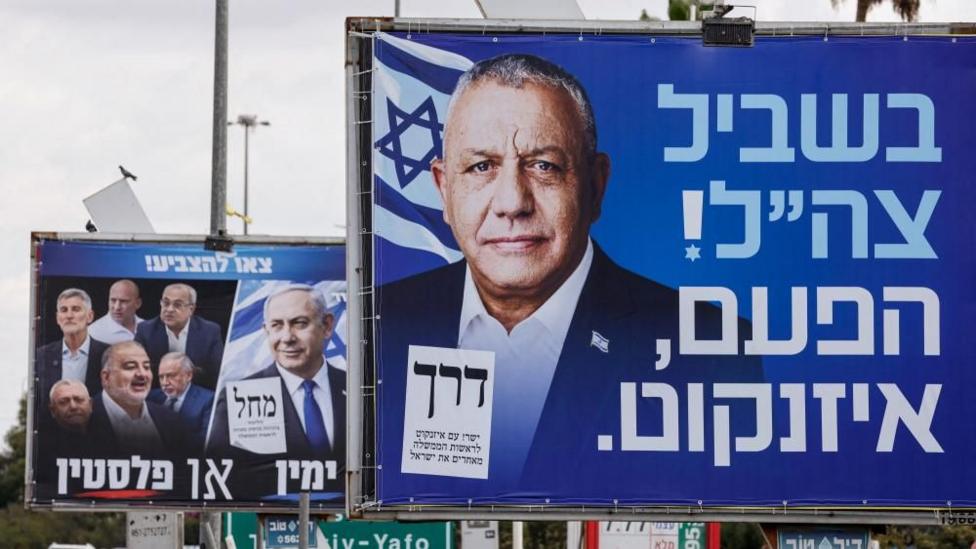 Image source, Reuters
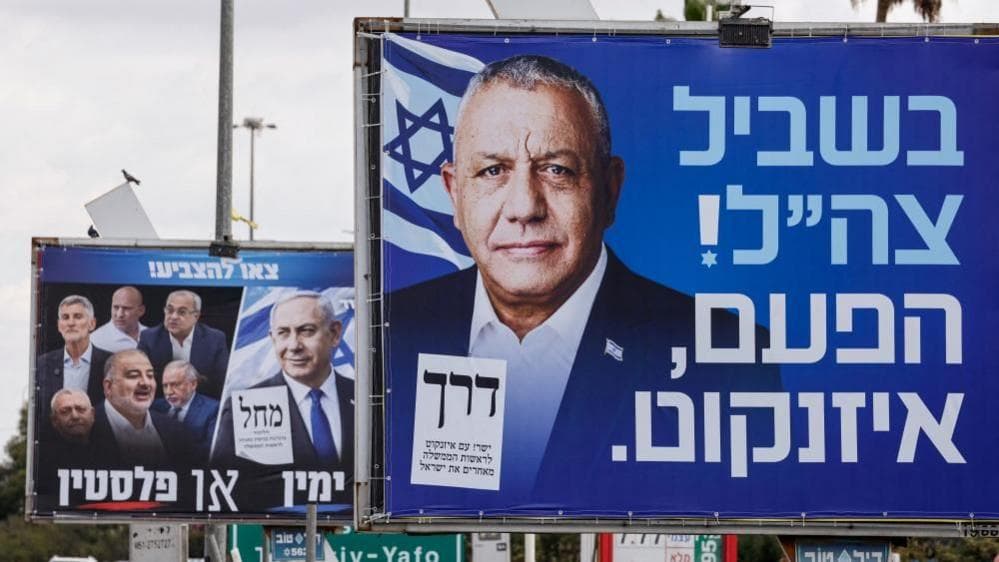
Gadi Eisenkot has vowed to oust Benjamin Netanyahu, but still has to get enough parties on board