The key facts
- The draft defines the procedure for introducing, amending and abolishing seasonal duties with a term of up to six months
- Zafar Hashimov demanded a mandatory assessment of the impact on retail prices and a transition mechanism for importers
- The Ministry of Investment, Industry and Trade agreed to include an assessment of the impact on consumer prices; the draft was sent back for revision
Draft procedure for applying seasonal duties
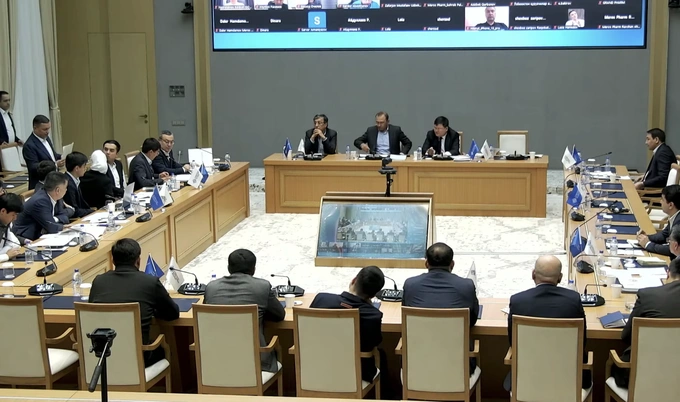
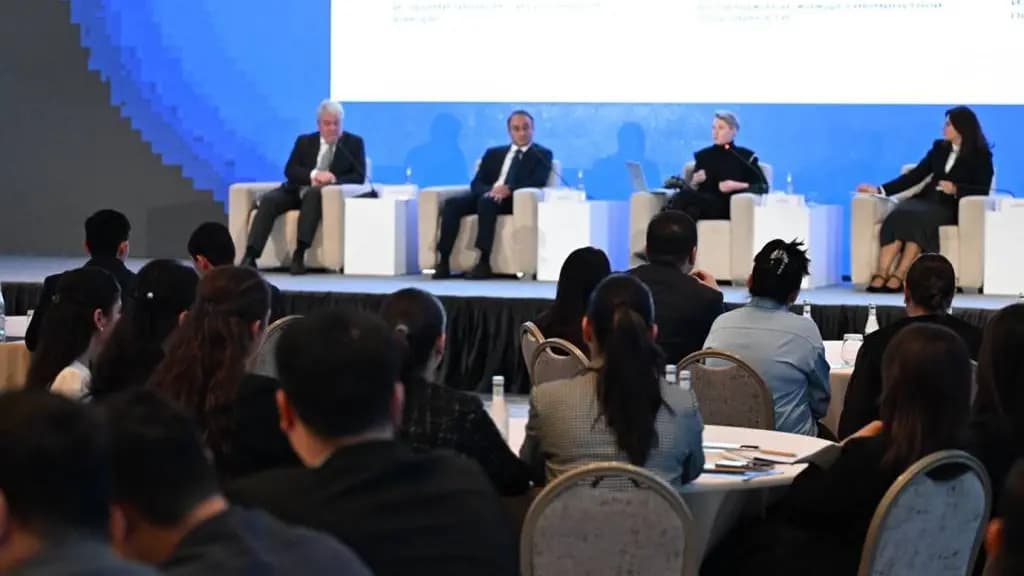
The Ministry of Investment, Industry and Trade of Uzbekistan presented a draft resolution of the Cabinet of Ministers on the procedure for applying seasonal customs duties. The document was discussed on 27 October at a meeting of the Public Council for Supporting Entrepreneurship under the president, as reported by Gazeta. According to the ministry's representative Kamola Rizayeva, the draft defines the procedure for preparing proposals on introducing, amending and abolishing seasonal duties, conducting economic analysis and making decisions.
How the market is proposed to be regulated
The Ministry of Agriculture will be able to initiate changes to rates — based on appeals from consumers, producers and industry associations, or following its own quarterly market analysis. The draft distinguishes two periods: when the domestic market is insufficiently supplied, a reduction of the duty is allowed; when supply is full, an increase is allowed to protect local producers. The maximum duration of a seasonal duty is six months; during this period, a special seasonal rate applies instead of the regular tariff rate. The very possibility of seasonal duties is already provided for in Article 290 of the Customs Code, so the draft introduces not a new payment but a procedure for making decisions on its application.
Business objections
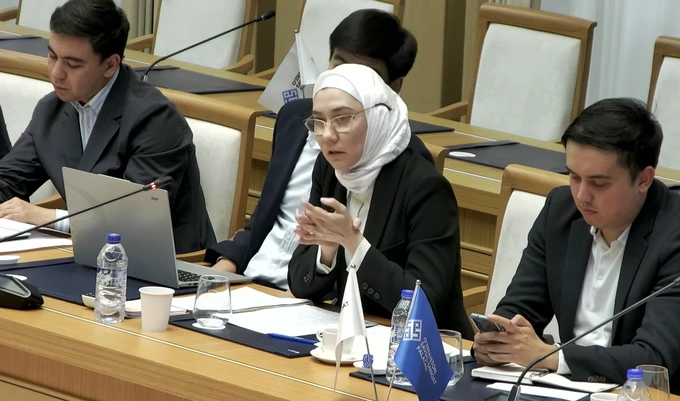
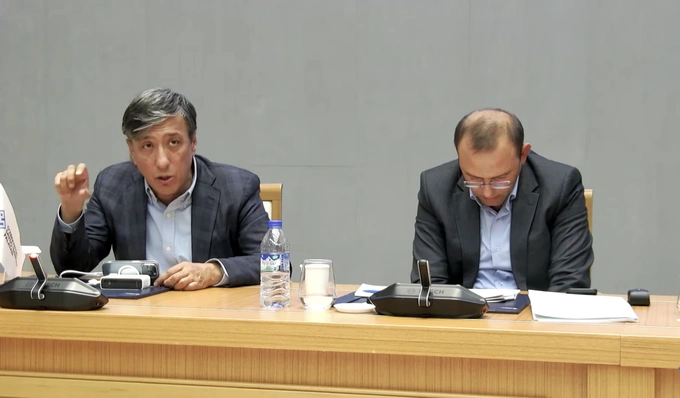
Korzinka founder and chairman of the Trade and Services Association Zafar Hashimov supported the general concept but stated: «We must answer a fundamental question: at whose expense and for what economic result do we support farmers?» In his view, raising duties could also make domestic goods more expensive due to weakened competition, and the benefits may go to intermediaries rather than farmers. He proposed a mandatory assessment of the impact of each increase on retail prices and food inflation, mandatory consultations with the Chamber of Commerce and Industry, importers and retailers, announcement of duty introduction at least 30 days in advance, a transition mechanism for goods already shipped and contracts already concluded, as well as a mechanism for the prompt abolition of duties in case of price increases or shortages.
Risks for processors and legal remarks
Head of the Association of Processors and Exporters of Fruit and Vegetable Products Sardor Abbas Khanov warned that higher duties during the mass harvest season would raise the cost of raw materials for canning, drying and concentrates and reduce the competitiveness of export products. Saidvali Nasretdinov proposed using tariff quotas instead of raising duties and shortening the review period for proposals from 10–15 to 3–5 days. A representative of the business ombudsman pointed to a possible contradiction with legislation: under Article 289 of the Customs Code , duty rates are set by the president, and a protocol of an interagency commission does not qualify as a type of regulatory legal act.
The ministry's reaction and outcomes
The Ministry of Investment, Industry and Trade agreed to add to the draft a provision on the mandatory assessment of the impact of seasonal duties on consumer prices: «We accept this proposal… There are no objections,» its representative said. It also emerged that some council members had worked with a different version of the document: the updated draft contains 33 points, and some remarks have already been taken into account. Following the meeting, it was proposed to revise the draft taking the remarks into account and submit it to the council for consideration again. At the same meeting, the authorities proposed not extending zero duties on nine groups of products, including dairy products, fruits and pasta; council members warned of a possible rise in prices, and this draft was also sent back for revision.