The key facts
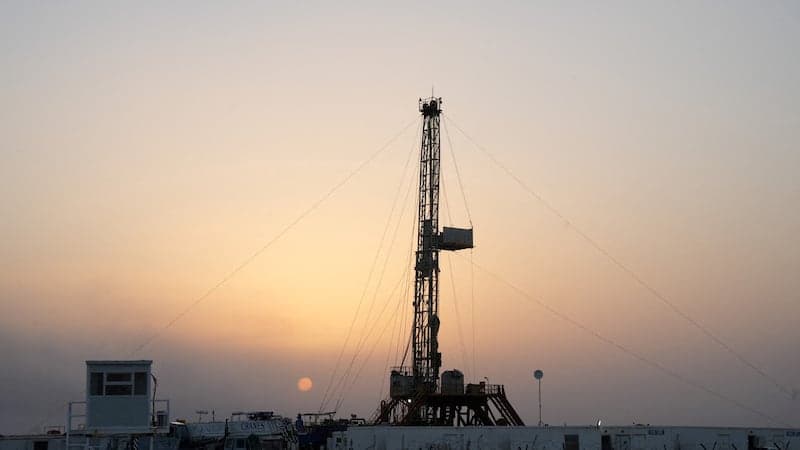
- Haitham Al-Ghais (OPEC) argues in an article for Anadolu that electrification increases, rather than reduces, demand for petroleum products
- He cites estimates: a mid-range electric vehicle contains roughly 45% more plastic than an internal-combustion equivalent; about 15% of a wind turbine's mass and about 10% of a solar panel are oil-derived materials
- OPEC states its support for the COP31 presidency; the material is the author's opinion, not Anadolu's editorial position
OPEC against the 'age of electricity'
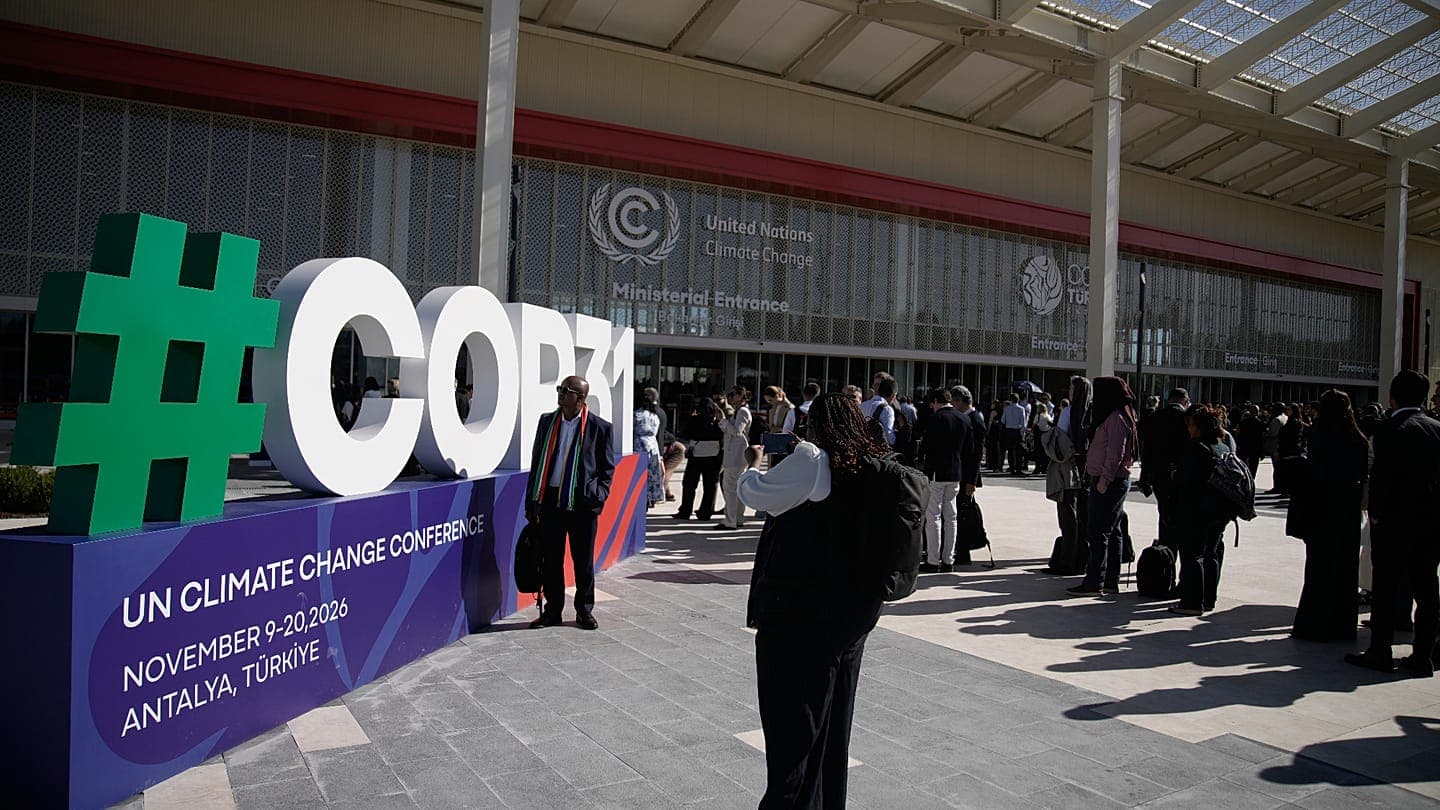
On the eve of the COP31 climate conference, OPEC Secretary General Haitham Al-Ghais published an article in Anadolu, in which he challenges the popular thesis that an 'age of electricity' is dawning. According to him, the world will need more electricity in the coming decades, but also more of practically all other energy sources, so it would be more accurate to speak of an 'age of all energies.' The author stresses that this is his personal opinion and does not necessarily reflect the agency's editorial policy.
Four arguments on electrification's dependence on oil
Al-Ghais examines four 'blind spots' in the discussion about electrification. First, 'electrification of everything' means more equipment and devices, whose supply chains and logistics are served almost entirely by transport running on petroleum products, and each device adds chargers and cables. Second, the devices themselves are plastic-intensive: by his estimate, a mid-range electric vehicle contains roughly 45% more plastic and polymer composites than a comparable gasoline or diesel car. He notes that these needs received little attention in the International Energy Agency's special report on electrification prepared for COP31 — nor did other barriers to electric vehicles: the availability of critical minerals, the capacity of public charging stations, subsidies, and market realities.
Grids and 'green' generation also depend on petroleum products
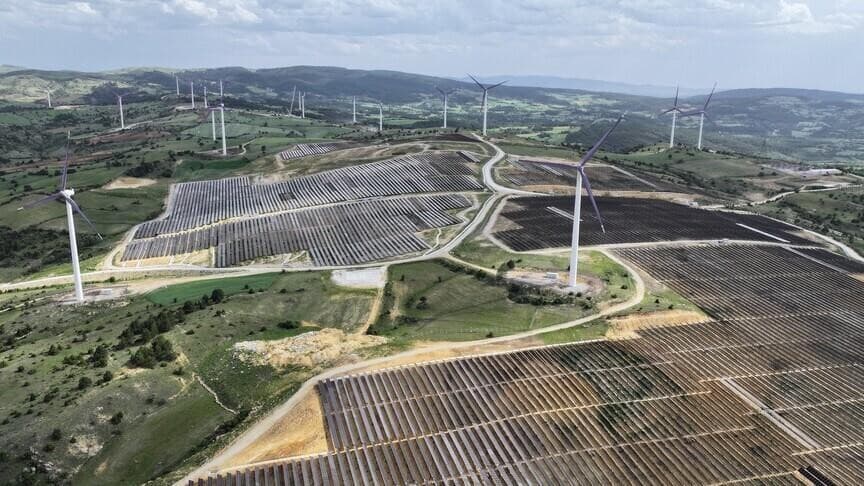
Third, according to Al-Ghais, petroleum products are necessary for the manufacture, installation, and maintenance of power grids — cables, transmission lines, pylons, transformers, substations, and control systems — and the spread of high-voltage subsea cables will increase demand for specialty plastics and polymers. Fourth, they are also important for generation itself: on average, about 15% of a wind turbine's mass consists of oil-derived materials (fiberglass, resins, plastic), and about 10% of a crystalline silicon solar panel is plastic. The author's conclusion: energy sources are not in a zero-sum game, they are interdependent, and all of them will be needed to meet growing demand, fight energy poverty, and ensure energy security. OPEC, he said, supports the COP31 presidency and hopes this message will be heard at the conference.