The key facts
- Energy Secretary Miatta Fahnbulleh said energy affordability is her «overriding objective»
- She admitted the climate consensus is «under pressure», but called the transition to clean energy a way to lower bills in the long term
- The largest bill rise in four years is expected in January; the government is also considering weakening electric vehicle requirements
Energy affordability as a priority
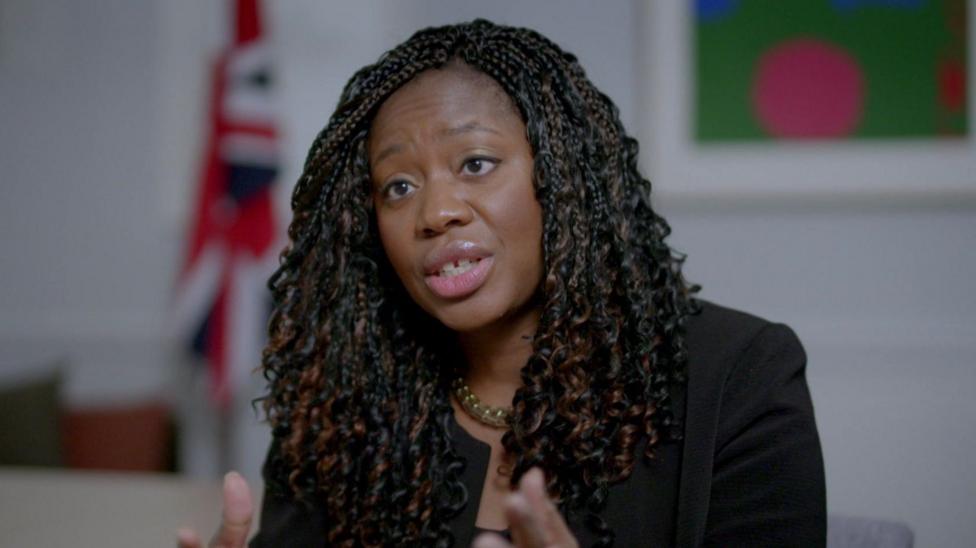
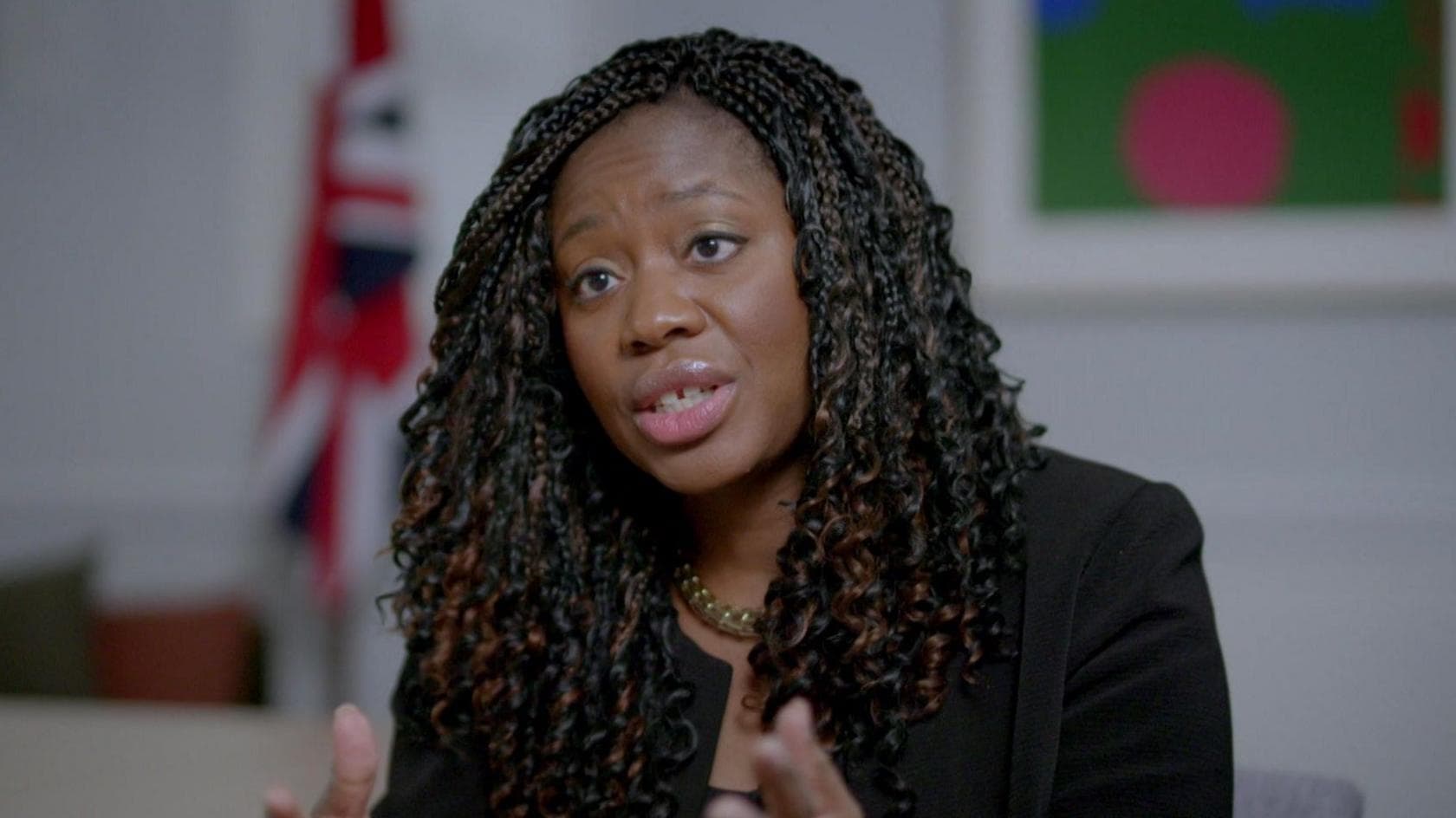
UK Energy Secretary Miatta Fahnbulleh said in an interview for the BBC Panorama programme, recorded last week and broadcast on Monday, 9 November, that cutting energy bills is her «overriding objective». According to her, maintaining public support for climate policy requires showing that the energy transition «is good for people's wallets». The interview was published by BBC News.
Context: rising prices and political pressure
The statement came against the backdrop of an expected jump in bills in January, which is forecast to be the largest rise in four years. Labour is facing growing pressure on the climate agenda: Reform UK is gaining ground in the polls, while the Conservatives under Kemi Badenoch have abandoned the previous target of reaching net zero emissions by 2050. Both opposition parties criticise renewable energy subsidy schemes, arguing that they raise costs for consumers. At the same time, British households pay some of the highest electricity rates in Europe; bills are rising due to subsidies as well as high gas prices driven up by international conflicts.
The minister's arguments and admissions
Fahnbulleh insisted that the course towards «clean» energy is «one of our routes to affordability»: it should «wean» the country off its dependence on global fossil fuel markets, while domestic renewable generation and nuclear power will lower bills in the long run. At the same time, she admitted that the fight for energy affordability is one of the reasons the consensus on climate action is «under pressure»: «People want to blame net zero for this. I don't believe that's the case». She also described Labour's target of getting 95% of Britain's electricity from clean sources by 2030 as a «stretch», while stressing that cutting emissions «is absolutely a priority», and pointing to summer droughts as evidence of the need to fight warming.
Decisions criticised by environmentalists
The government has already diverted part of the energy department's funding to defence purposes, including money previously intended for energy efficiency schemes, which has angered some green campaigners. Last month the government approved drilling at the Jackdaw gas field; ministers argue this will reduce imports of fuel with higher emissions, but campaign groups have criticised the decision. A decision on starting production at Rosebank — the UK's largest known undeveloped oil field off the Shetland Islands — has not yet been made. Greater Manchester Mayor Andy Burnham, who earlier at the UK's first wildfire summit acknowledged that after this summer such events are «likely to become more regular», but who also promises to run a «cost-of-living government», defended the Jackdaw decision.
Possible weakening of electric vehicle requirements and COP31
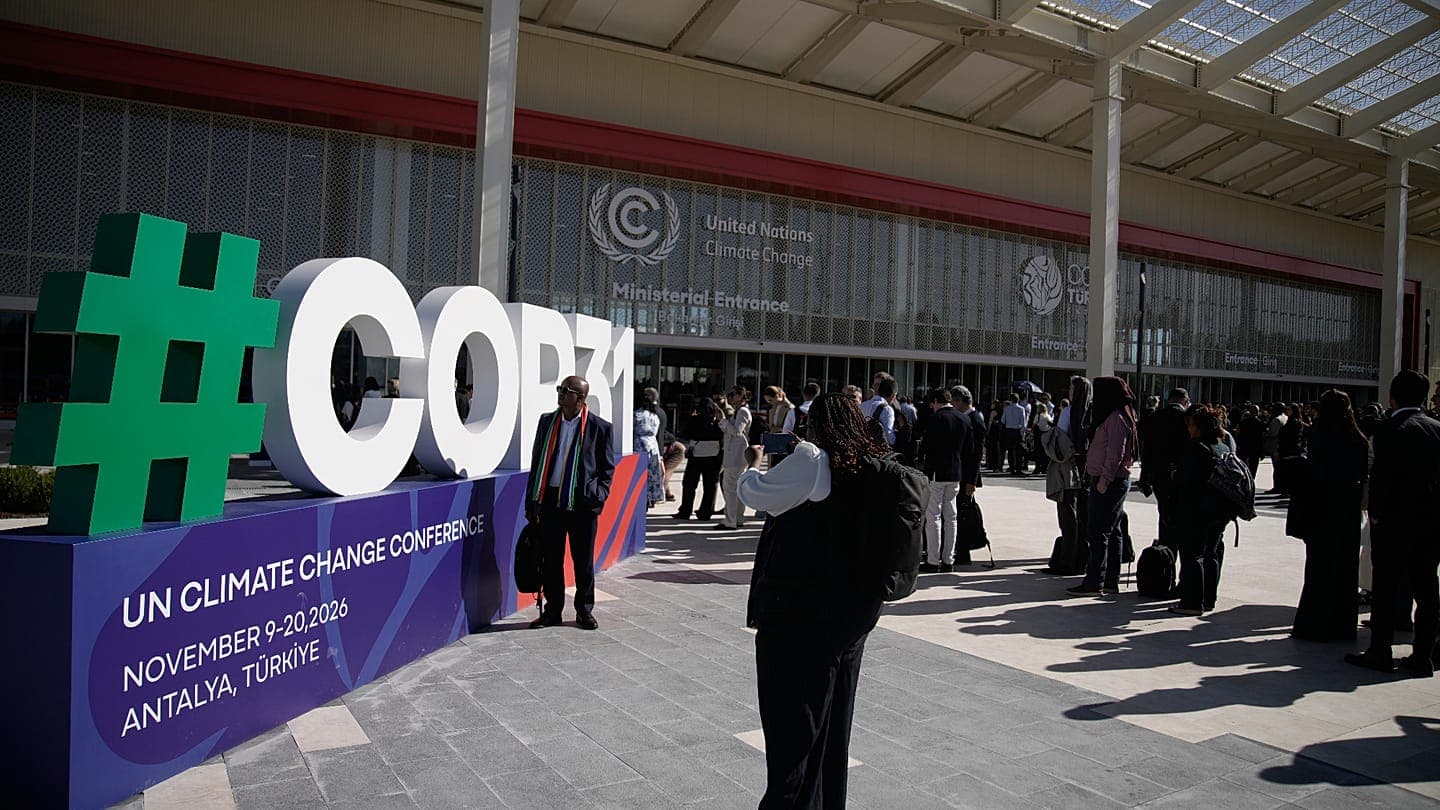
On Monday it was reported that the government is considering weakening the electric vehicle mandate, which requires carmakers to stop producing petrol and diesel cars by 2035. The BBC notes that this could damage not only the country's climate goals but also its claims to leadership in this area — just as ministers head to Turkey for COP31, the UN climate summit. The context also includes a record number of heatwaves this summer with a series of devastating wildfires, which the Met Office assessed as 130 times more likely because of climate change.