The key facts
- All 27 EU countries backed the bloc's position at COP31, but governments are simultaneously seeking new oil and gas supplies
- Hungary is discussing gas purchases from the Neptun Deep field and access to Croatian and Greek LNG terminals
- Brussels lowered expectations of a breakthrough on fossil fuels at COP31, calling progress 'politically difficult'
The summit and reality diverge
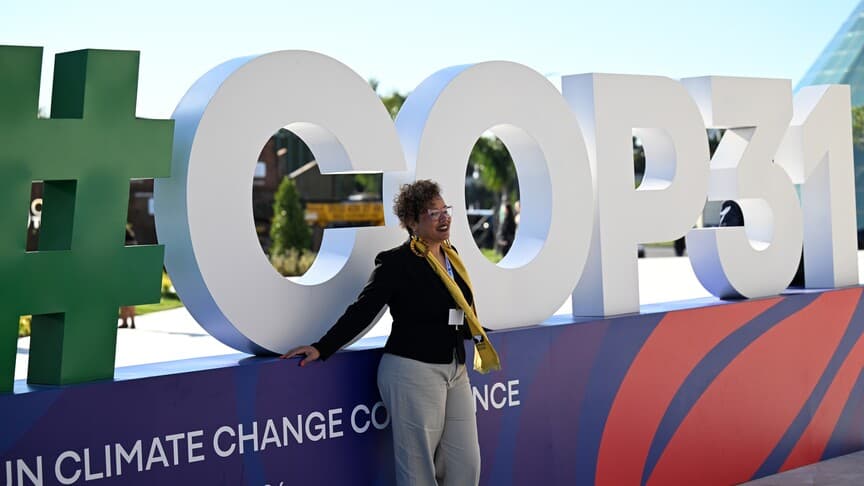
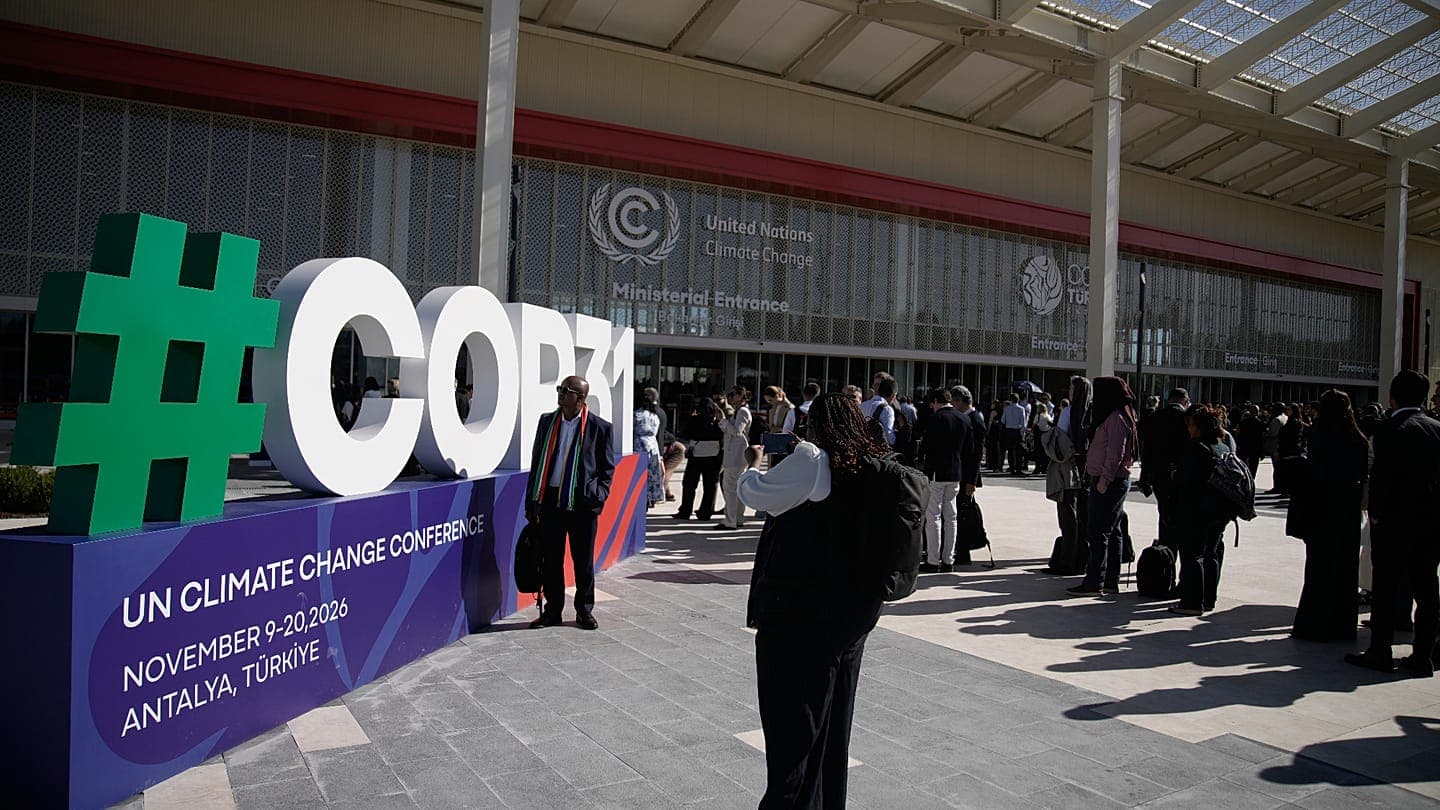
While European leaders attend the UN climate summit COP31 in Antalya, many of their governments are busy searching for additional volumes of oil and gas. The energy crisis caused by the US and Israel's war against Iran has returned hydrocarbons to the center of Europe's economic and geopolitical calculations: facing rising prices, the risk of shortages and pressure from industry, a number of EU governments are putting affordable energy above long-term climate commitments. This is reported by Euronews in a piece about the gap between rhetoric and practice at the summit.
Hungary, Croatia and Greece: new gas routes
Formally, all 27 countries supported the EU's position at COP31, but in practice new contracts are being signed, import capacity is being expanded, and interest in domestic production is returning. Hungary's Energy Minister Istvan Kapitany said that Budapest is discussing gas purchases from the Romanian Neptun Deep field and seeking greater access to LNG terminals in Croatia and Greece. MOL chief Gyorgy Bacsa warned that abandoning Russian supplies could prove too costly: according to him, the premium for 'non-Russian' energy is no longer a marginal 10–20% surcharge and could seriously undermine the economies of Hungary and Slovakia. Croatia, for its part, is promoting the LNG terminal on the island of Krk and the Adriatic pipeline as an alternative to Russian supplies for its neighbors, although Budapest and Bratislava consider it more expensive. For Greece, gas infrastructure has become part of foreign policy: Minister Stavros Papastavrou called the development of the country's own energy resources 'a matter of national importance,' and the country has launched a new offshore gas project, even though wind and solar provided more than 40% of its electricity generation in 2025 — but their share did not grow that year; gas did.
Romania and Brussels' position
Romania positions itself as a regional supplier: at a meeting in Abu Dhabi on November 3, Energy Ministry State Secretary Marius-Viorel Posa presented the country as 'the energy hub of Central and Eastern Europe,' pointing to the Neptun Deep project, wind energy, the Cernavoda nuclear plant and interconnections. At the same time, at the EU energy ministers' meeting on October 15, Minister Dumitru Chisalita warned that decarbonization must not undermine industrial competitiveness: Romania's industrial output, according to Eurostat, was 2.6% below last year's level — one of the sharpest declines in the EU. In Brussels, meanwhile, expectations for the summit were lowered: according to a senior European Commission official, the EU wants COP31 to continue the commitment to transitioning away from fossil fuels adopted at COP28 in Dubai, but progress will be 'politically difficult.' Brussels backed the roadmap of the Brazilian COP30 presidency; following it, 57 countries, including 14 European ones, signed a declaration at a conference in Santa Marta (Colombia) on developing such roadmaps. The summit's hosts themselves — Turkey — are being criticized by environmental groups for expanding the use of fossil fuels, despite COP31's official focus on electrification.