The key facts
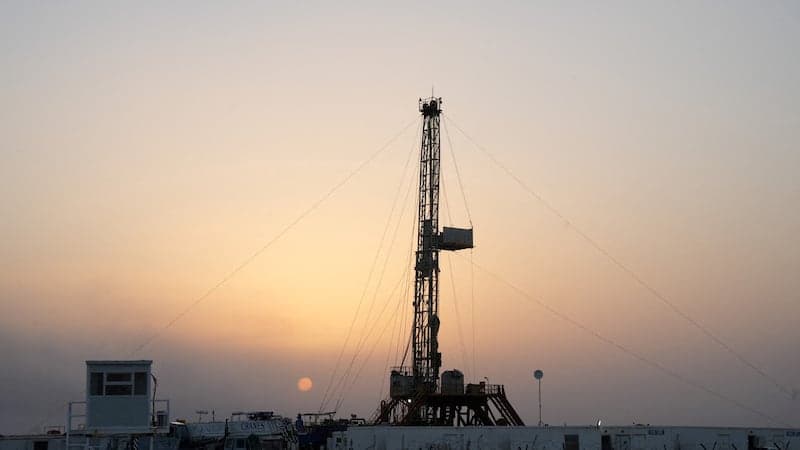
- Iraq plans to increase production to 7 million barrels per day by 2030 and to 10 million by 2032, including about 1 million from the Kurdistan Region
- In October, exports amounted to about 3.4 million barrels per day after a sharp collapse in the spring
- Baghdad is negotiating with OPEC to raise its quota, which currently stands at 4.431 million barrels per day
New production targets
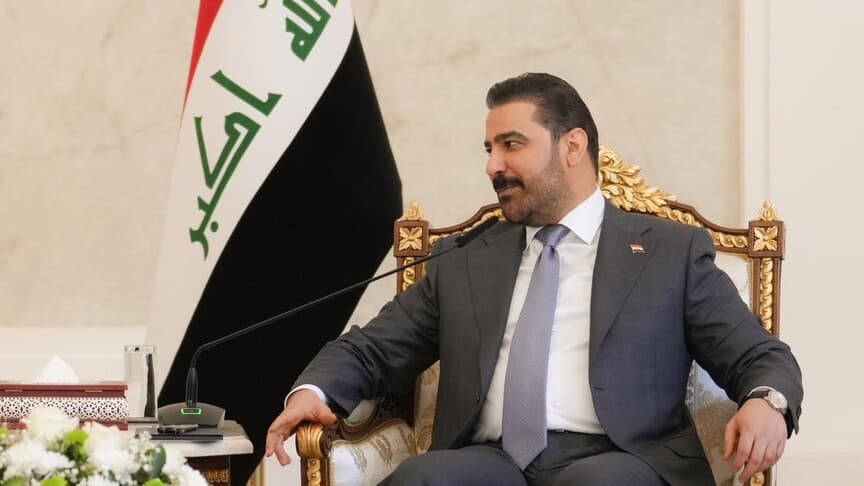
Iraqi Prime Minister Ali Al-Zaidi announced plans to increase oil production to 7 million barrels per day by 2030 and to 10 million barrels per day by 2032, including about 1 million barrels per day from the Kurdistan Region. He made the announcement at a meeting with Kurdistan's Prime Minister Masrour Barzani in Baghdad, noting that the production growth would 'have a positive impact on the development and economy of the entire country.' According to The National, Iraqi oil exports in October amounted to about 3.4 million barrels per day.
Context: the aftermath of the war with Iran
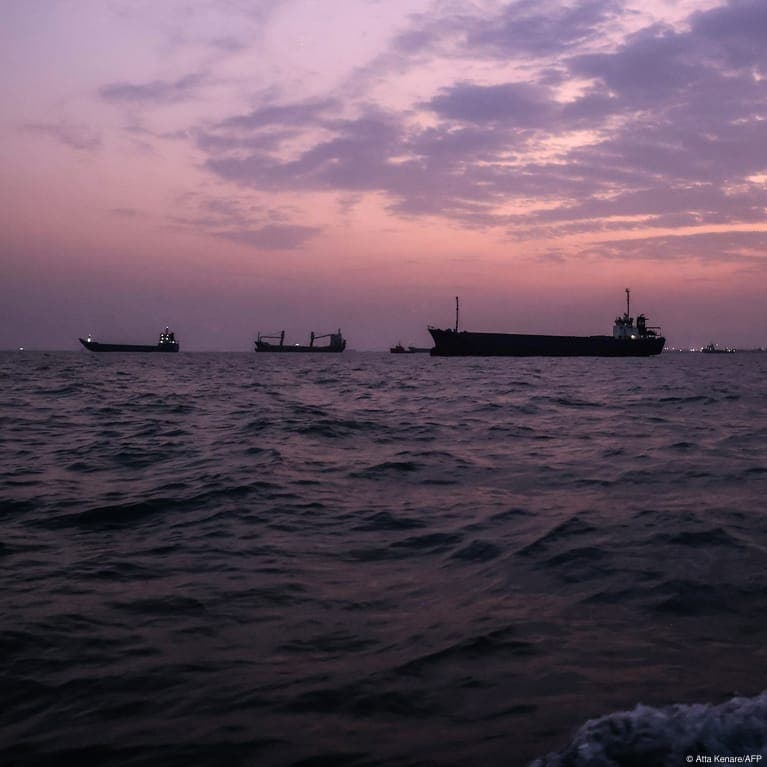
Such ambitious targets are explained by the dire state of Iraq's oil economy. Before the war with Iran began, the country produced about 4.4 million barrels per day, and oil accounted for roughly 90% of state revenues. After disruptions in the Strait of Hormuz, exports collapsed from 3.36 million barrels per day in February to 131,000 barrels in April, and monthly revenues, which had previously held at around $7 billion, fell sharply. In October, exports recovered, and Baghdad hopes to consolidate the growth.
Talks with OPEC and new routes
Oil Minister Basim Mohammed Khudair told the state news agency INA that Iraq 'is in dialogue with OPEC about raising its export quota,' citing the country's 'unique circumstances.' The current OPEC quota allocates Iraq 4.431 million barrels per day. To support the new targets, Baghdad is seeking to conclude oil and gas deals worth billions of dollars, primarily with American companies — Chevron, HKN Energy and Halliburton — and is developing alternative export routes bypassing the Strait of Hormuz: pipelines to the Syrian port of Banias and to Aqaba in Jordan, as well as an oil pipeline to Turkey's Ceyhan.