The key facts
- From May to October 2026, 317 vessels were struck in the Black Sea and the Sea of Azov — more than four times the previous six months (Ambrey).
- From May to October 2026, 317 vessels were hit in the Black Sea and the Sea of Azov — more than four times as many as in the previous six months (Ambrey).
- Ukraine's grain exports as of 30 October 2026 are 29% lower than a year earlier; up to 40% of storage capacity has been damaged by strikes (Carnegie Europe).
- The FAO recorded a 6.3% rise in wheat prices in September — a more than three-year high.
- The FAO records a 6.3% rise in wheat prices in September — the highest in more than three years.
Two fronts of a single food chain
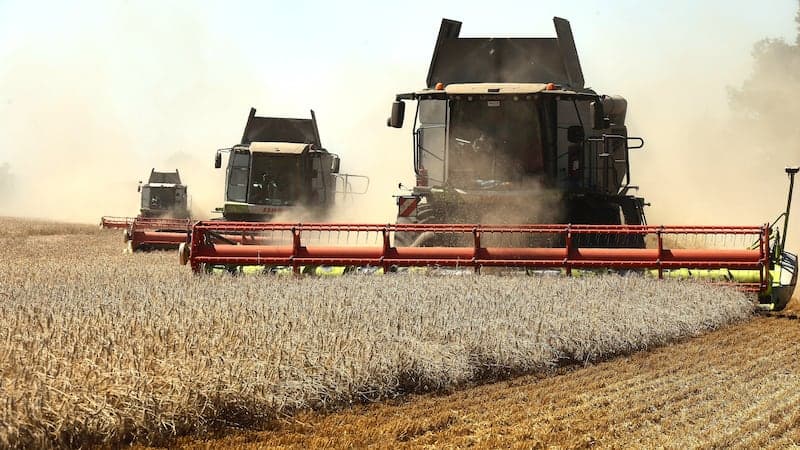
Millions of tonnes of Ukrainian grain risk being left without adequate storage, as the war with Russia turns the Black Sea and its shipping arteries into a battlefield, The National reports. For the Middle East, this is a double blow: the region has traditionally bought relatively cheap grain from Ukraine, while fuel and fertilizer supplies needed for its own agriculture pass through the Strait of Hormuz. The two crises are linked: one blocks grain exports, the other energy and fertilizers, making food more expensive to produce, transport and buy.
The scale of destruction in the Black Sea
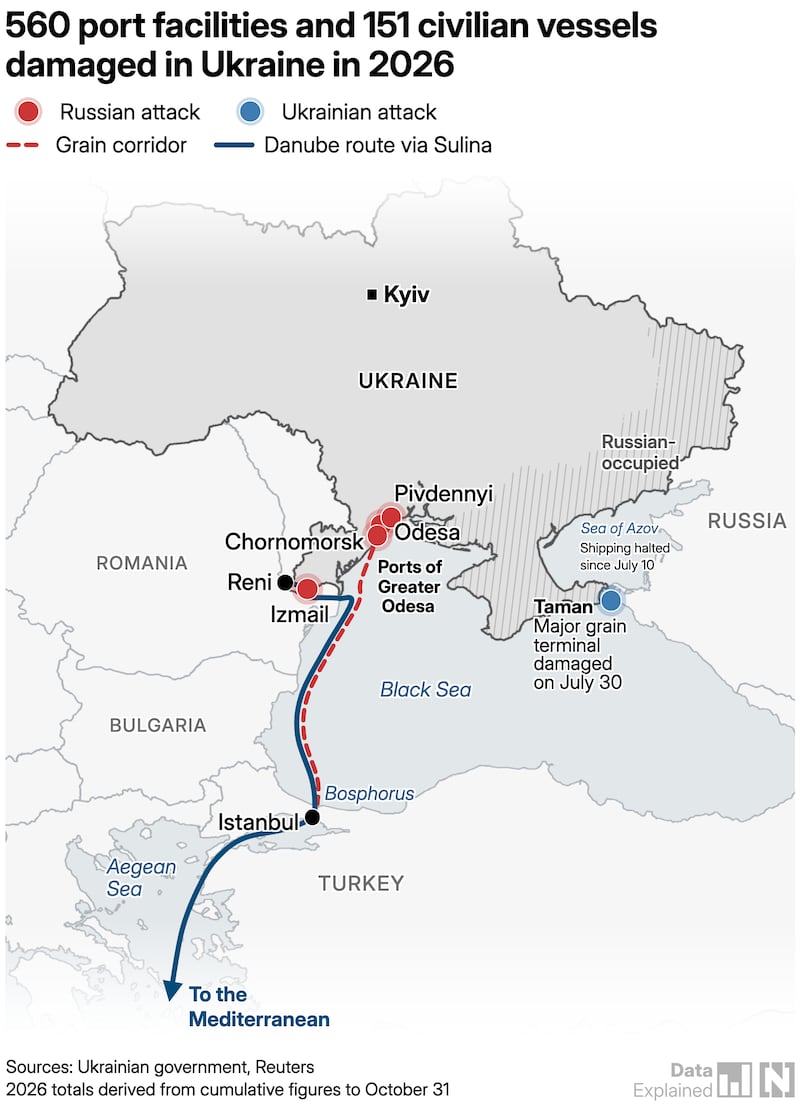
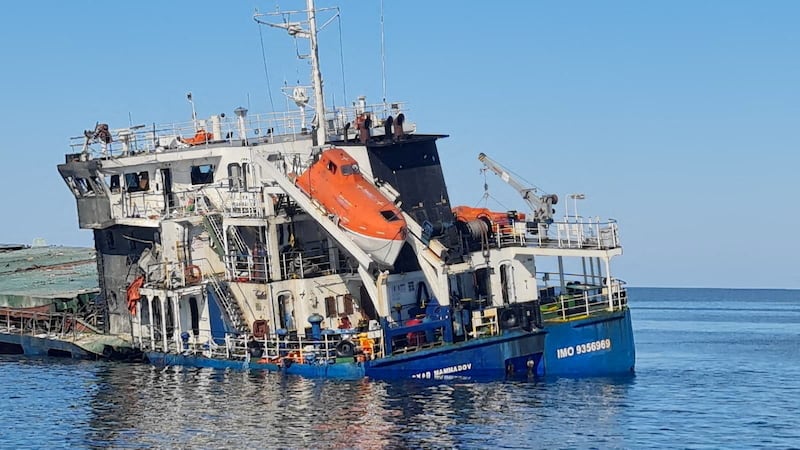
According to Ambrey Analytics data cited by The National, from May to October 2026 the parties to the conflict struck 317 commercial and other vessels in the Black Sea and the Sea of Azov — more than four times the 74 vessels hit over the previous six months. In the third quarter Ukraine attacked 137 vessels against 92 Russian ones, but in October the ratio reversed: 38 Russian strikes against five Ukrainian. Since the start of the 2026–27 season, Ukraine has exported 29% less grain than by the same date last season, the country's ministry of agrarian policy reports; by mid-October the shortfall stood at roughly a quarter. Carnegie Europe writes that Russian strikes destroyed up to 40% of Ukraine's grain storage capacity, and exports shifted to more expensive road and rail transport, as the Danube, with historically low water levels, could not handle the outflow.
Prices and the risk of grain spoilage
The consequences are already visible in prices: the FAO reported that in September global food prices rose, partly due to wheat becoming 6.3% more expensive — a more than three-year high. The causes cited were logistical constraints in the Black Sea region and uncertainty over shipping through the Strait of Hormuz, which keeps fuel, fertilizer and freight prices high. There are no official reports of mass grain spoilage in Ukraine, but a prolonged storage shortage raises the risk of losses. EU Ambassador to the UAE Lucie Berger warned that by November more than 9 million tonnes of Ukrainian grain, oilseeds and meal could be left without available storage:
Who in the region pays the price
Egypt is the most vulnerable — the world's largest wheat importer, buying it mainly in the Black Sea region because of low prices. According to the FAO, even with its own harvest of about 10 million tonnes in 2026, the country will need 13.5 million tonnes of imported wheat and 15.5 million tonnes of maize in the 2026–27 season. Although Egyptian supplies go mainly through the Suez Canal rather than Hormuz, rising fuel, fertilizer and freight costs hit the cost of imports and the subsidized bread programme. In Yemen, according to UN agencies, 47% of the population in government-controlled areas faces acute food shortages, while in Lebanon vegetables rose in price by more than 20% in a month and bread by 17%, as WFP country director Allison Oman stated in April. In Gaza, according to the latest assessment, more than 1.4 million people will face crisis-level food insecurity or worse in July–December; more expensive grain and fuel mean the same humanitarian funding buys less food.
The risk to the next harvest and the political deadlock
The FAO warns that disruptions to fertilizer supplies through Hormuz could reduce crop yields and shrink food stocks in the second half of 2026 and in 2027, especially in import-dependent countries in Africa, Asia and the Middle East. Carnegie Europe notes that grain shortages on world markets put conflict-affected countries — the DR Congo, Somalia, Sudan and Yemen — at risk of famine, and that the closure of the Strait of Hormuz became the 'first blow.' The EU supports alternative routes for exporting Ukrainian produce, and the FAO is helping to expand temporary storage inside Ukraine; however, as The National emphasizes, alternative routes cannot replace the capacity of Black Sea ports, and temporary storage does not solve the problem when exports are blocked. The political deadlock persists on both fronts: Iran's war, which began in February, has halted most shipping through Hormuz, while on the Ukrainian track, talks mediated by the United States are scheduled in Abu Dhabi next week.