The key facts
- The ministry proposed extending zero duties for 47 items and not extending them for nine groups of food products after 1 January 2027
- The ministry proposed extending zero tariffs for 47 items and abandoning the extension for nine groups of food products after 1 January 2027
- Council members pointed to the lack of economic justification and to prices for these goods rising faster than inflation
- The draft was sent back for revision: the final decision on the 2027 list has not yet been made
- The draft was returned for revision: the final decision on the 2027 list has not yet been made
What the ministry proposed
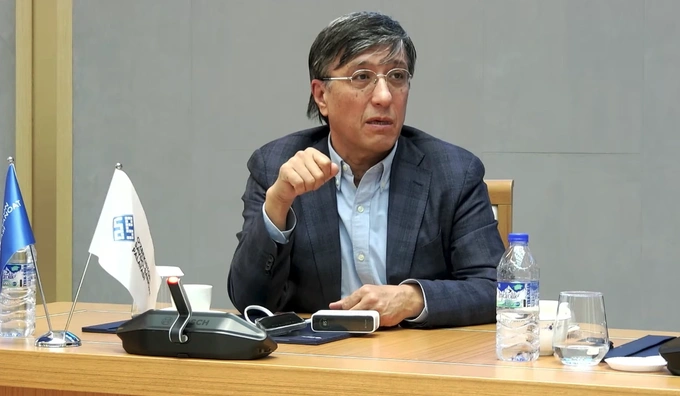
The Ministry of Investment, Industry and Trade presented a draft presidential decree revising customs preferences for food and consumer goods. The document was discussed on 27 October at a meeting of the Public Council for Support of Entrepreneurship under the president, the outlet reported Gazeta.uz.
The essence of the draft
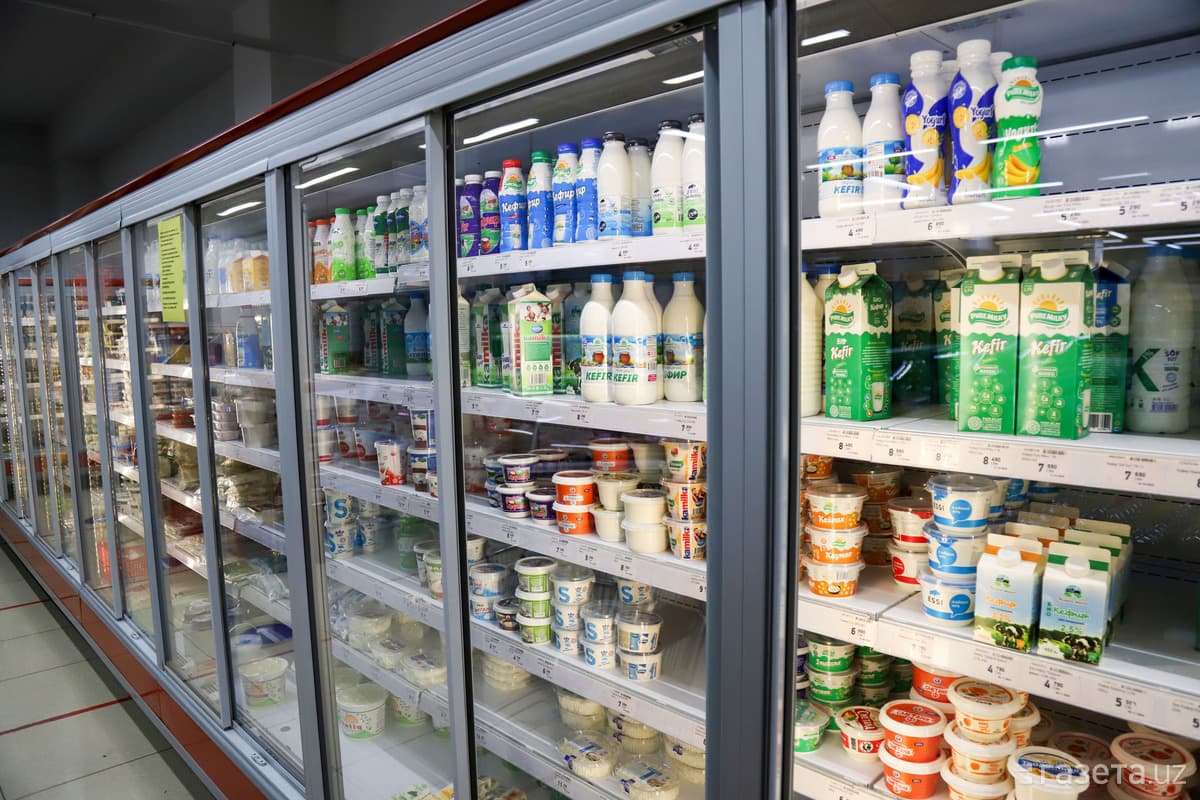
Sarvarkhuja Khonkhujaev, head of the ministry's tariff and non-tariff regulation department, said that zero import duty rates currently apply to 56 commodity items and have been extended annually since 2022; their term expires 1 January 2027. The ministry proposed extending the preferences until 1 January 2028 for 45 items in full and two more partially, but not extending them for nine groups: condensed milk and cream, yoghurts, cheeses and cottage cheese, apples, pears and quinces, sugar confectionery, chocolate, pasta, mineral and carbonated water, and soft drinks. The ministry's representative stressed that this is not about early cancellation, but about not extending them after the term expires. According to him, the capacity of local enterprises was taken into account during preparation: in January–August 2026, 84 enterprises produced 84,000 tonnes of condensed milk and cream with imports of 15,000 tonnes; yoghurts are produced by 77 enterprises (50,200 tonnes), yoghurt imports amounted to 9,800 tonnes, and cheeses and cottage cheese — 10,300 tonnes.
Criticism at the meeting
Council members doubted that such analysis was sufficient. Economist Otabek Bakirov said he saw 'neither an economic nor a financial justification' for excluding the goods from the list, and noted that prices for some of them had risen faster than overall inflation over the past nine months. After the preferences end, the duty on cheeses and cottage cheese will be 15%, and on yoghurts, apples and pears — 20%. He also pointed to a double standard: industrial preferences, including for cotton and textile clusters, are extended in the same draft until 2030, while food ones are extended for only one year with a shortened list. Bakirov proposed keeping zero rates for all items on a permanent basis or at least for three years.
Business objections
Zafar Hashimov, founder of the Korzinka chain and chairman of the Trade and Services Association, supported the criticism. In his words, sufficient capacity and harvest do not mean the population is provided for: part of the apples goes to processing, and part is lost during storage and transportation. He warned that the duties would raise prices not only for imports but also for local products due to weakened competition — in his estimate, a 20% duty in some cases increases the final cost by 25–26%. According to the research he cited, ordinary families spend about 40% of their income on food. Hashimov also linked the annual uncertainty over the preferences to inflationary expectations: suppliers hold back goods at the end of the year or build the risk into prices in advance, and he proposed reviewing the rates once every three years with six months' notice to the market.
Outcome: the draft was sent back for revision
Participants also discussed problems in the dairy industry — livestock diseases, shrinking pastures, rising production costs, and enterprise closures — and proposed taking into account possible job losses, changes in tax revenues, and the volumes of border and informal trade not reflected in customs statistics. The chair acknowledged that the draft was not accompanied by sufficient analytical materials and proposed returning it to the developers for additional calculations and discussion with entrepreneurs. Thus, the proposal concerning the nine groups of goods remains a draft: the final decision on the list of goods with zero duties for 2027 has not been made.
Context: how the zero duties came about
Zero import duties on socially significant goods were introduced as a measure to curb inflation. In May 2022, President Shavkat Mirziyoyev signed a decree (UP-145) zeroing duties on a number of goods, and in March 2023 a decree (UP-41) expanded the list to include dairy products, cheeses, cottage cheese, chocolate and fruit. The most recent extension — until 1 January 2027 — was made by decree (UP-269) dated 30 December 2025; this document instructed the government to submit, if necessary, proposals on amending the list, taking into account food security and price stability. The draft under discussion was prepared precisely to carry out this instruction.