The key facts
- On November 6, 2026, the 109th anniversary of the birth of Sharof Rashidov was marked; two museums of his memory operate in Jizzakh
- On November 6, 2026, the 109th anniversary of Sharof Rashidov's birth was marked; two museums of his memory operate in Jizzakh
- The house-museum was opened in 2017 for the 100th anniversary by presidential decree; it holds more than 3,000 exhibits
- The State Museum is temporarily closed for repairs, and part of the house-museum's exhibits has been transferred there
- The state museum is temporarily closed for renovation; part of the house-museum's exhibits has been transferred there
The anniversary and two museums in Jizzakh
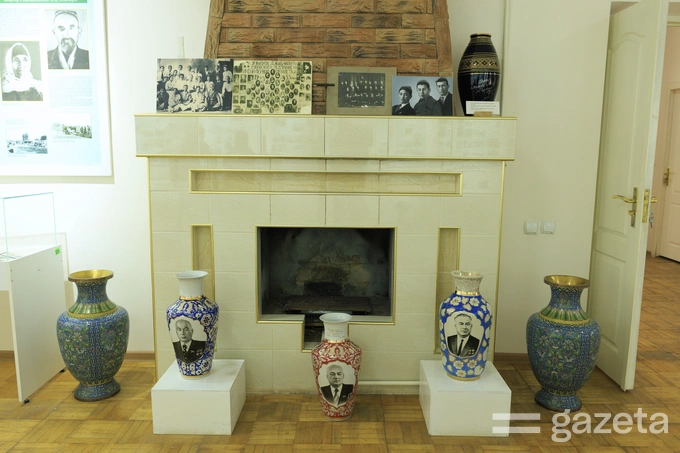
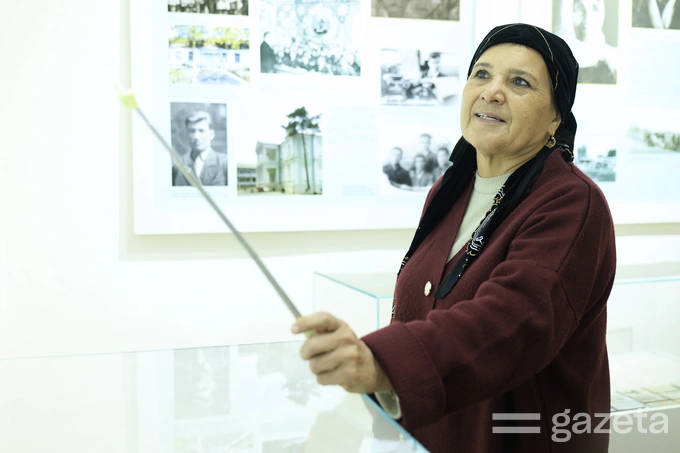
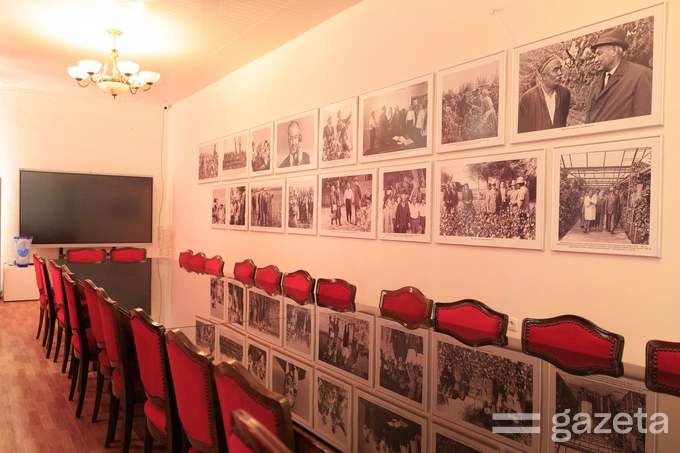
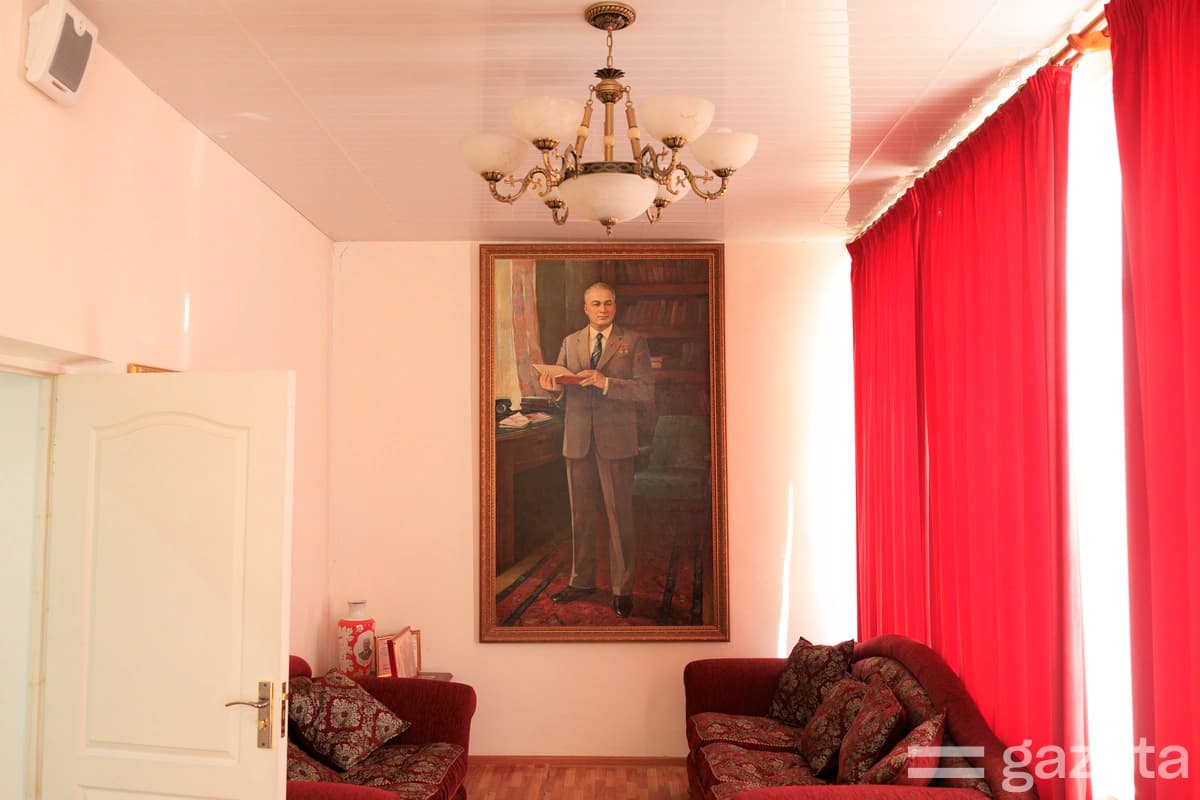
On November 6, the 109th anniversary of the birth of Sharof Rashidov was marked — a statesman and writer who led Uzbekistan from 1959 to 1983. For this date, the Gazeta editorial team prepared a report from his house-museum in Jizzakh, where he was born and grew up. Two museums dedicated to his memory operate in the city: the State Museum, currently temporarily closed for repairs, and the house-museum, opened in 2017 by presidential decree for Rashidov's 100th anniversary. The house-museum is located in the former Jizzakh district: navigating from the railway station with the query 'Sharof Rashidov house-museum' may mistakenly lead to the State Museum, although both sites are close to each other.
The only surviving house
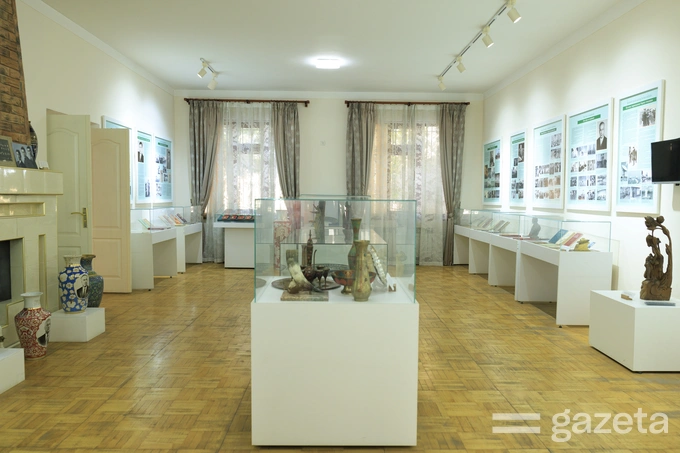
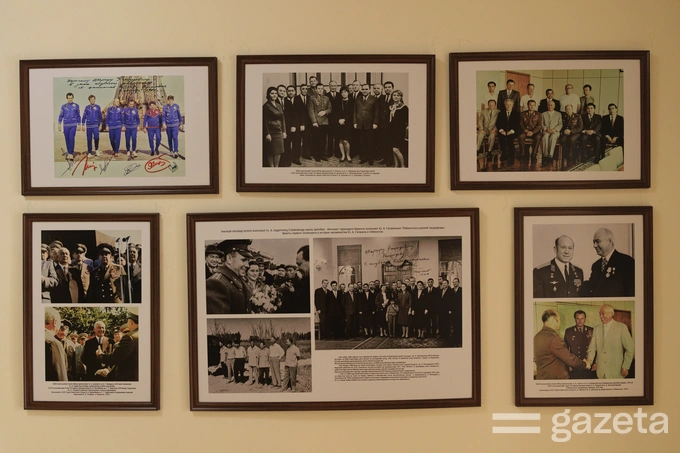
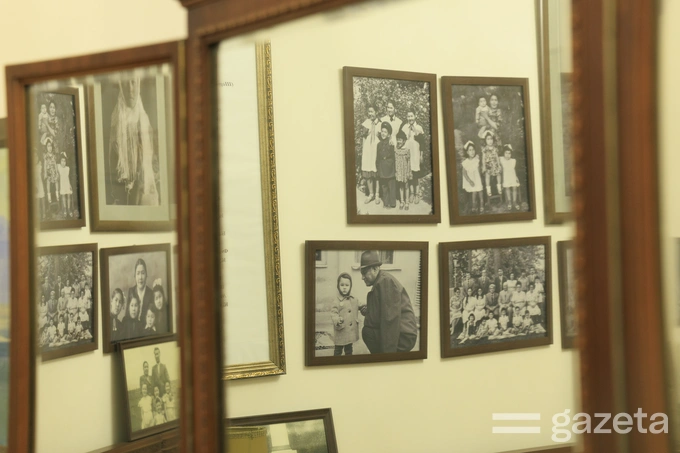
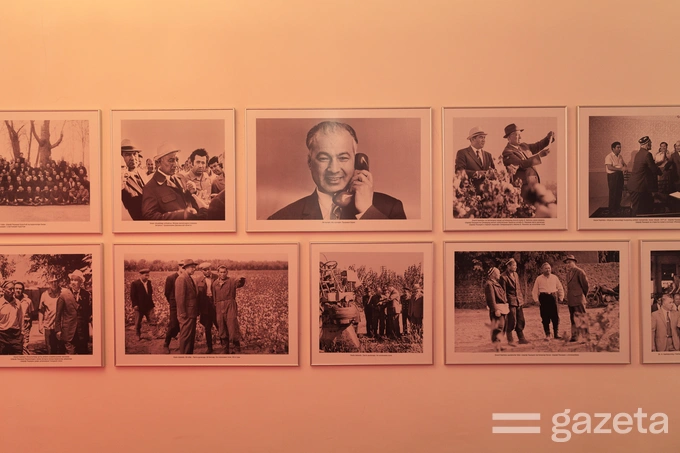
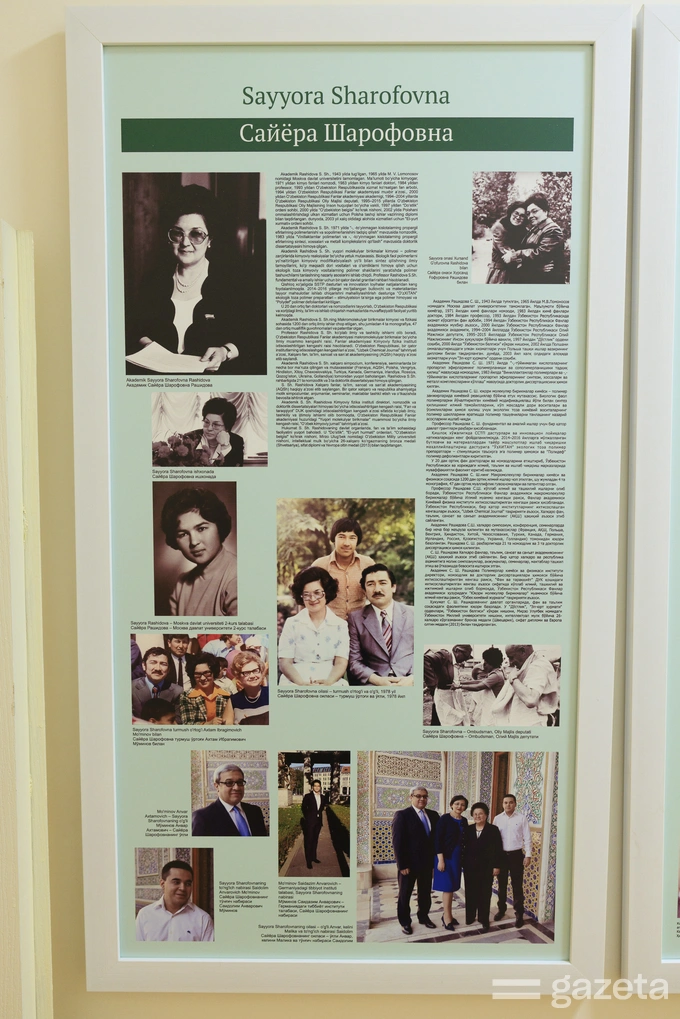
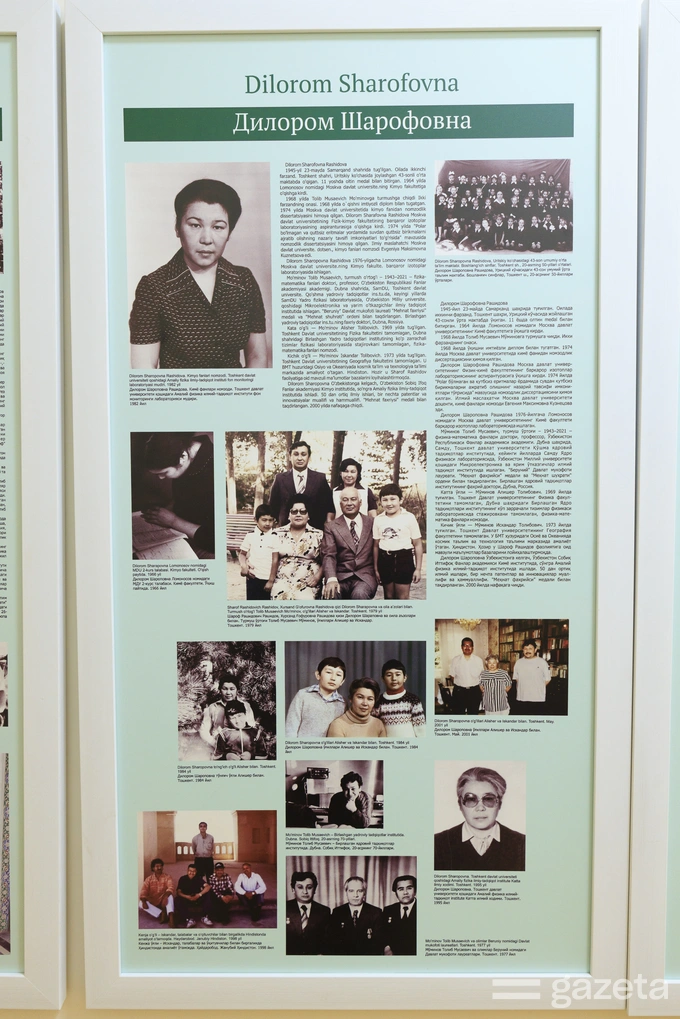
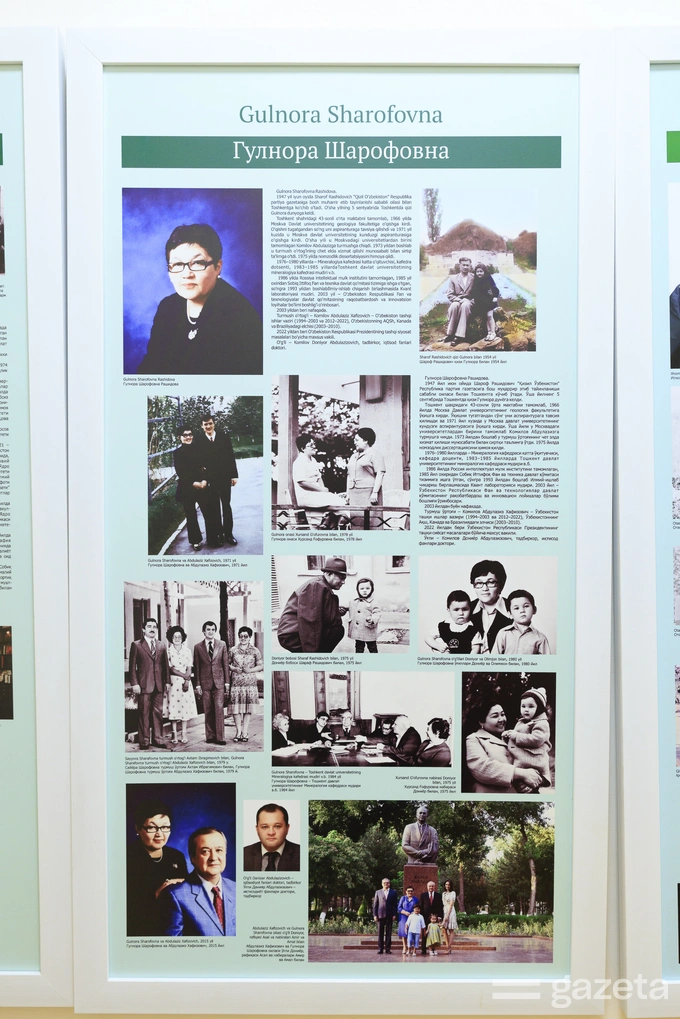
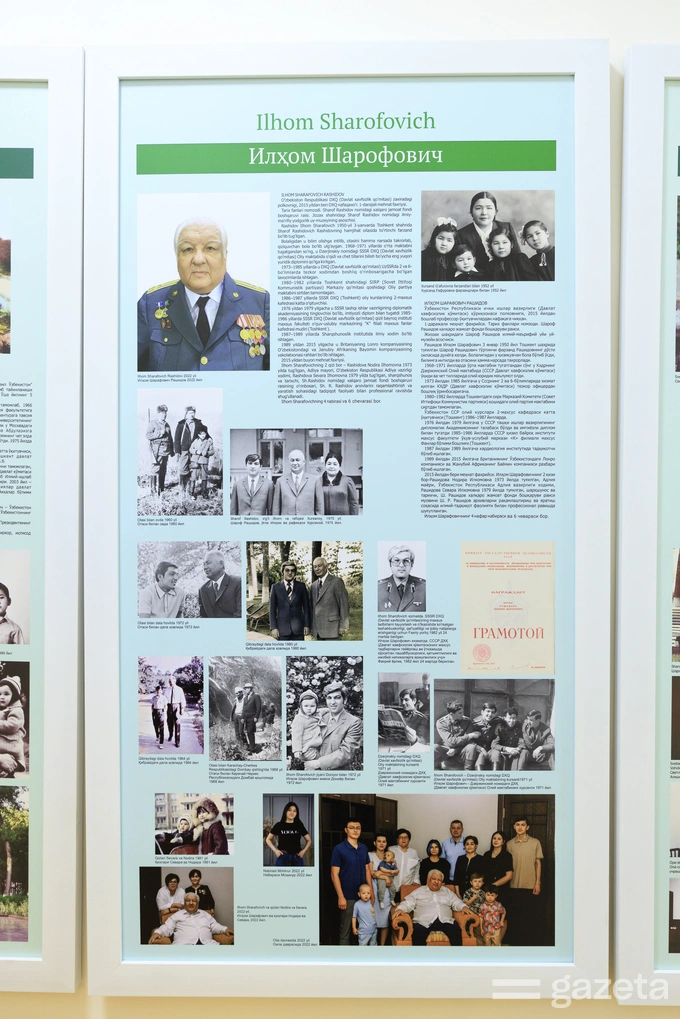
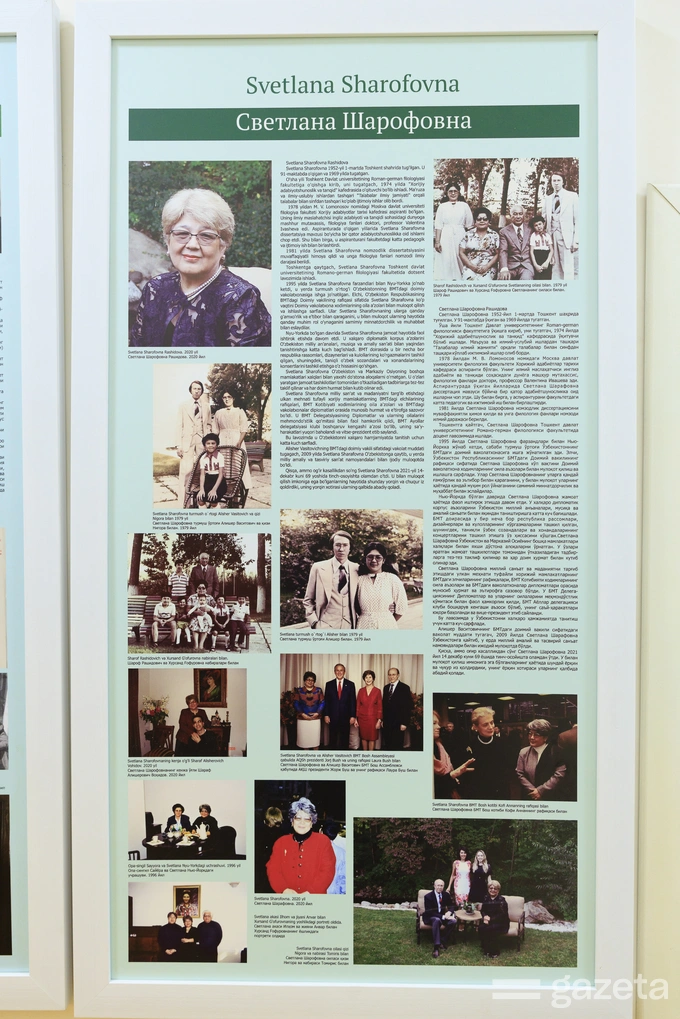
After Rashidov's death, his official residence in Tashkent was handed over to the new leader Inomjon Usmonxoʻjayev, and he had no house of his own in Jizzakh — even his parents' courtyard did not survive. The only place that remained is the courtyard of his grandfather Norboy Xalilov, where the house-museum was created. According to museum researcher Xadicha Sodiqova, the house itself was rebuilt in 1979–1980 by Rashidov's wife, but he never lived there because of his work in Tashkent. Unlike the State Museum, which mainly reflects his political activities, this museum presents Rashidov's life: more than 3,000 exhibits, rare photographs, personal belongings and documents. Some of the exhibits have already been transferred to the State Museum. Collecting materials about Rashidov's life has been carried out by his family, colleagues and acquaintances since 2014, and it continues to this day. Admission to the museum is free; in 2025 it was visited by more than one and a half thousand people.
What the exhibitions tell
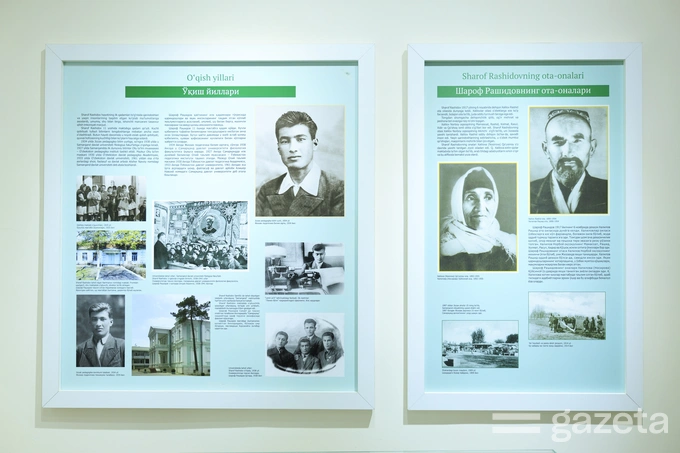
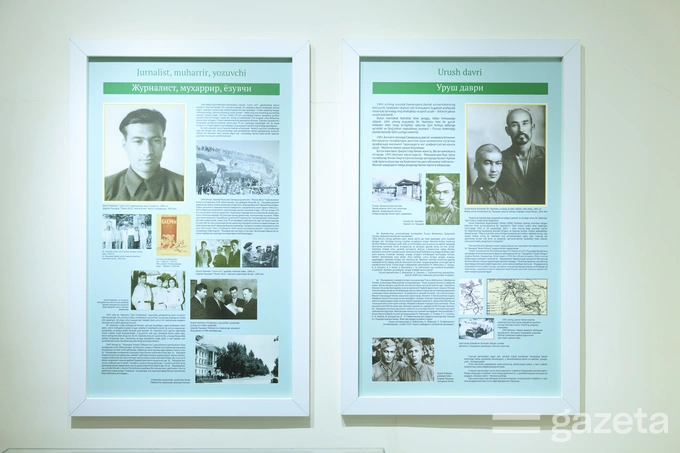
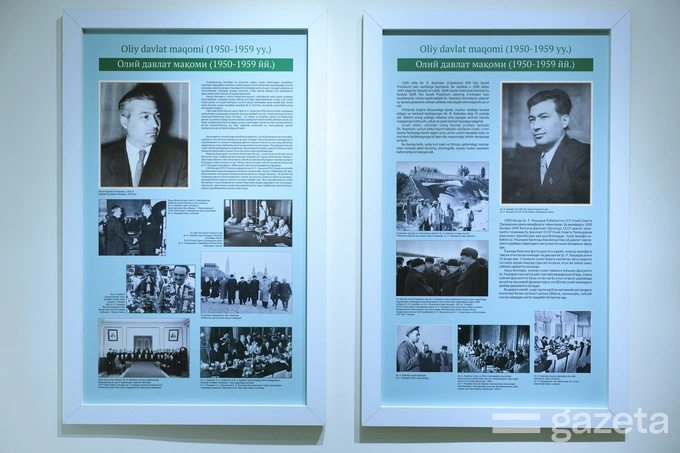
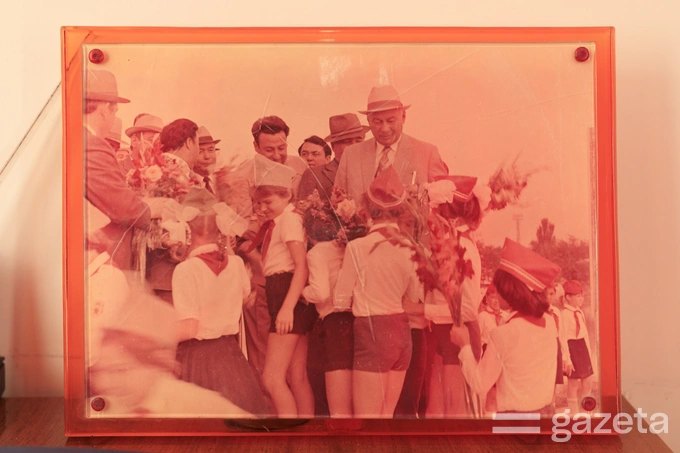
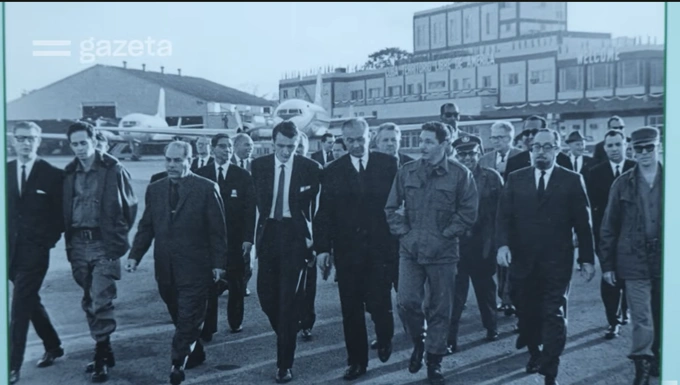
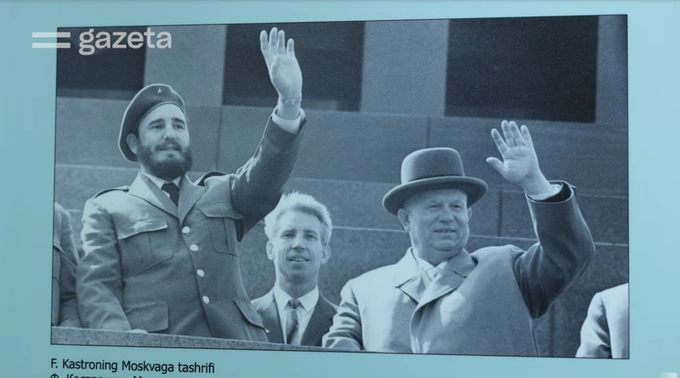
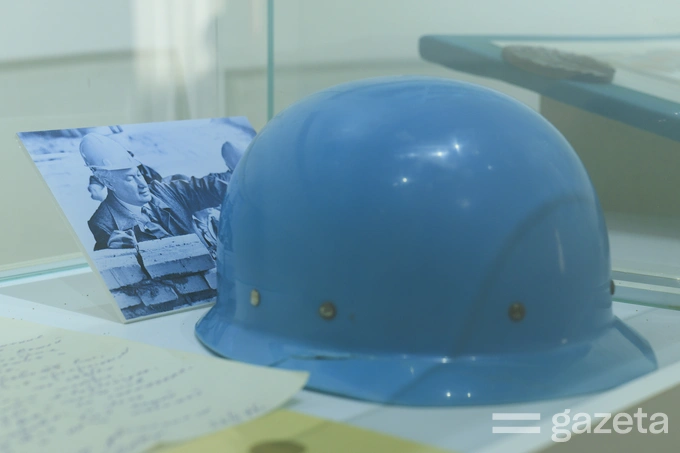
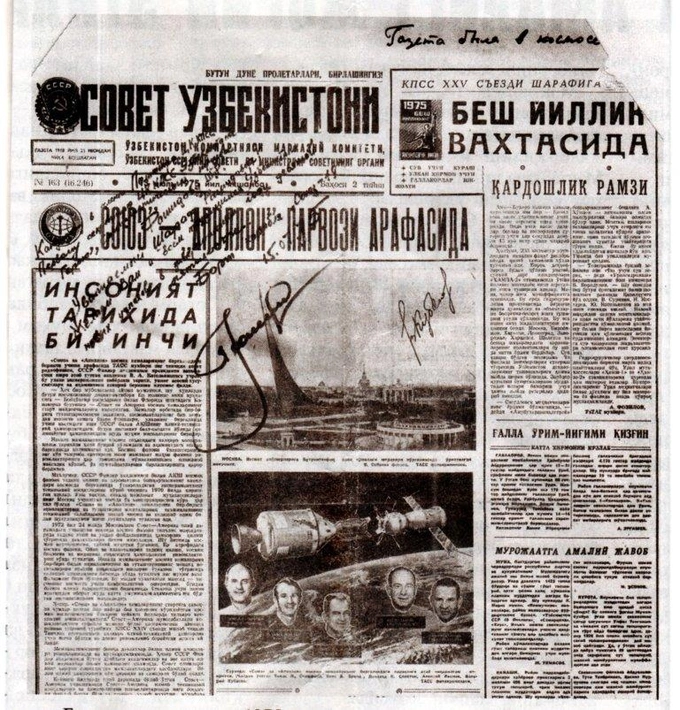
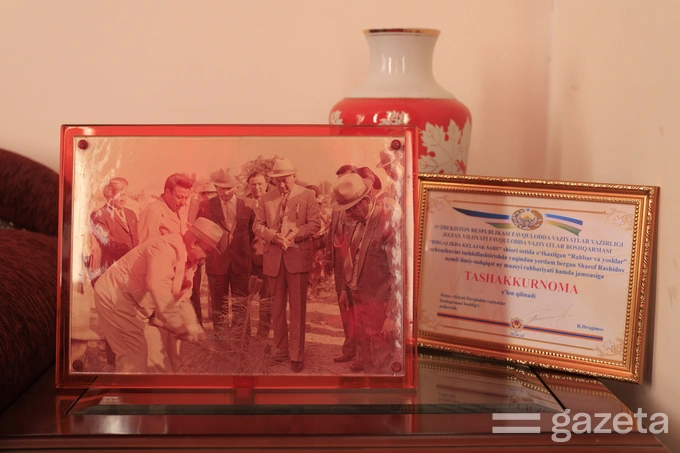
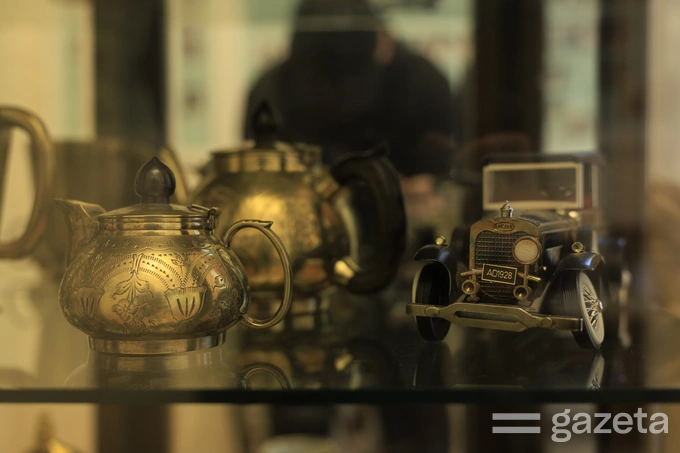
The displays in the main hall trace his biography from his birth on November 6, 1917 into the family of Rashid Xalilov to his studies at Samarkand University, his voluntary departure to the front in 1941 and a wound to his left arm near Demyansk, for which he was awarded the Order of the Red Star. Separate exhibitions are devoted to the secret mission of 1962: according to the museum, Rashidov, posing as an agricultural delegation, conveyed to Fidel Castro the Soviet government's proposal to deploy nuclear missiles in Cuba — the Soviet press at the time disclosed neither the details of the visit nor the composition of the delegation. The museum also links the name of Rashidov with the development of Muruntau and the creation of the Navoi Mining and Metallurgical Combine, the construction of the Tashkent Metro — for which, according to a museum employee, applications had to be submitted to Moscow 18 times — and the participation of Tashkent engineers in creating the device for collecting lunar soil for the Luna-24 station. The museum's library holds more than three thousand books from Rashidov's personal collection, and the study recreates the original setting, including a car-shaped radio from 1982 gifted by Brezhnev.
Controversial pages and versions of his death
The report does not avoid the contradictory sides of his legacy. Doctor of Philosophical Sciences Feruza Izzat noted in the 'Kurultoy' podcast that the roots of the 'Cotton Case' lie in the relationship between Brezhnev and Rashidov: in 1976, after a promise to raise cotton supplies to 5.5 million tons, Brezhnev asked whether they could deliver 6 million tons. In her view, both Moscow and the republic knew about the inflated figures, and cotton monoculture became one of the causes of the Aral tragedy. She also emphasized that Rashidov is 'a complex and contradictory figure' who cannot be portrayed solely as a national hero. There are different versions of Rashidov's death on October 31, 1983 in Nukus: his bodyguard Saydullo Muhammadqulov linked it to a second heart attack amid continuous work trips, whereas, according to Izzat's account, the bodyguard allowed for a connection with some kind of ultimatum from Andropov, and the recollections of relatives also cite a version involving a conversation with Heydar Aliyev — while the bodyguard himself, according to her, described Rashidov as being in a good mood after the meeting with Aliyev. The museum materials presented in the report reflect the museum's point of view and the recollections of contemporaries, not conclusions confirmed by documents.