The key facts
- The 2026 harvest — more than 5 million tonnes, a record since independence; the plan was 4.5 million tonnes
- Sowing areas shrank by 38%, while yields rose from 2.1 to 5.6 tonnes per hectare
- For 2027 the goal is 6.5–7 tonnes per hectare; expected profit for cotton growers is 13–14 trillion soums (about €1 billion), figures not confirmed
Record harvest and a new goal
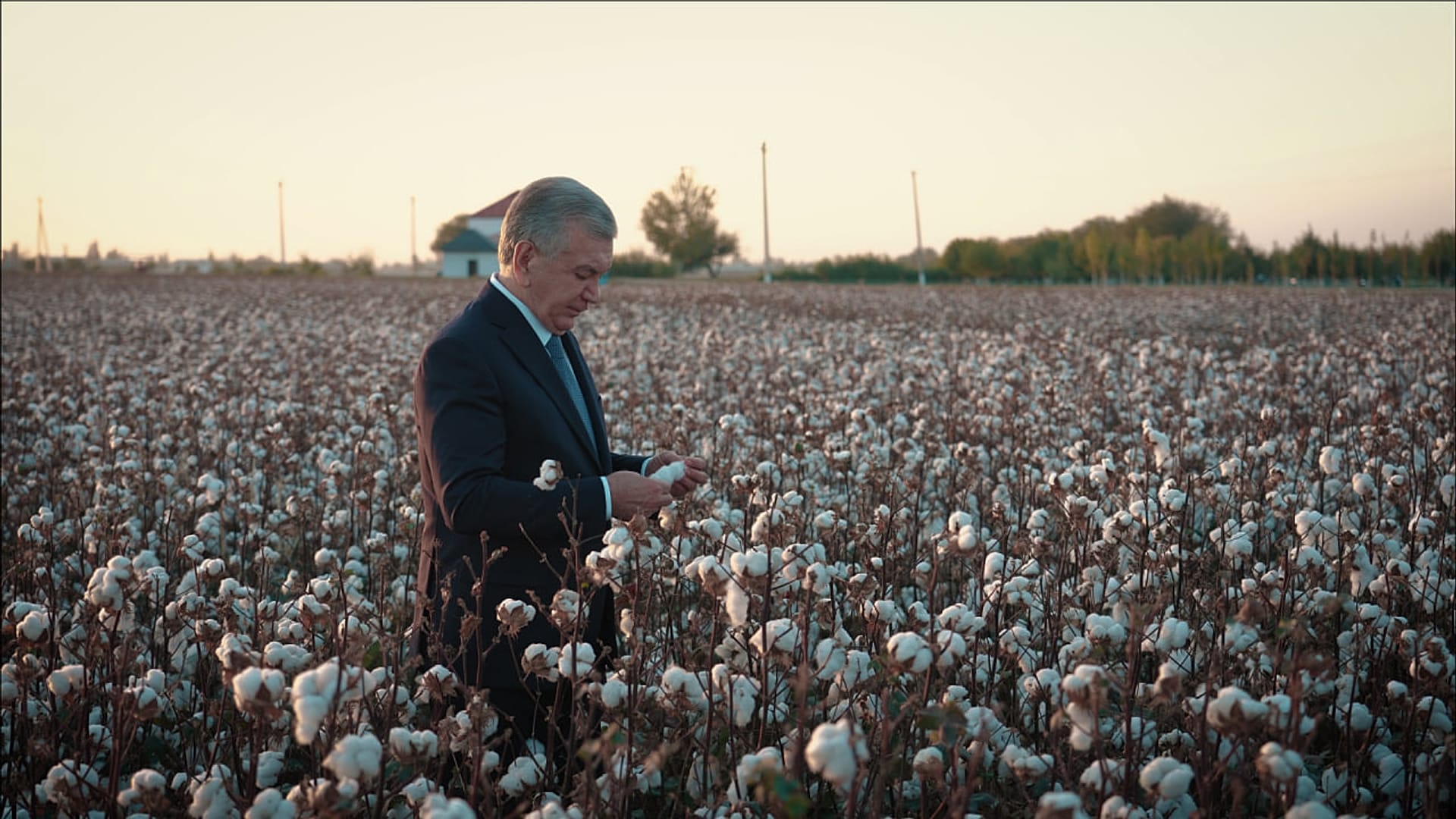
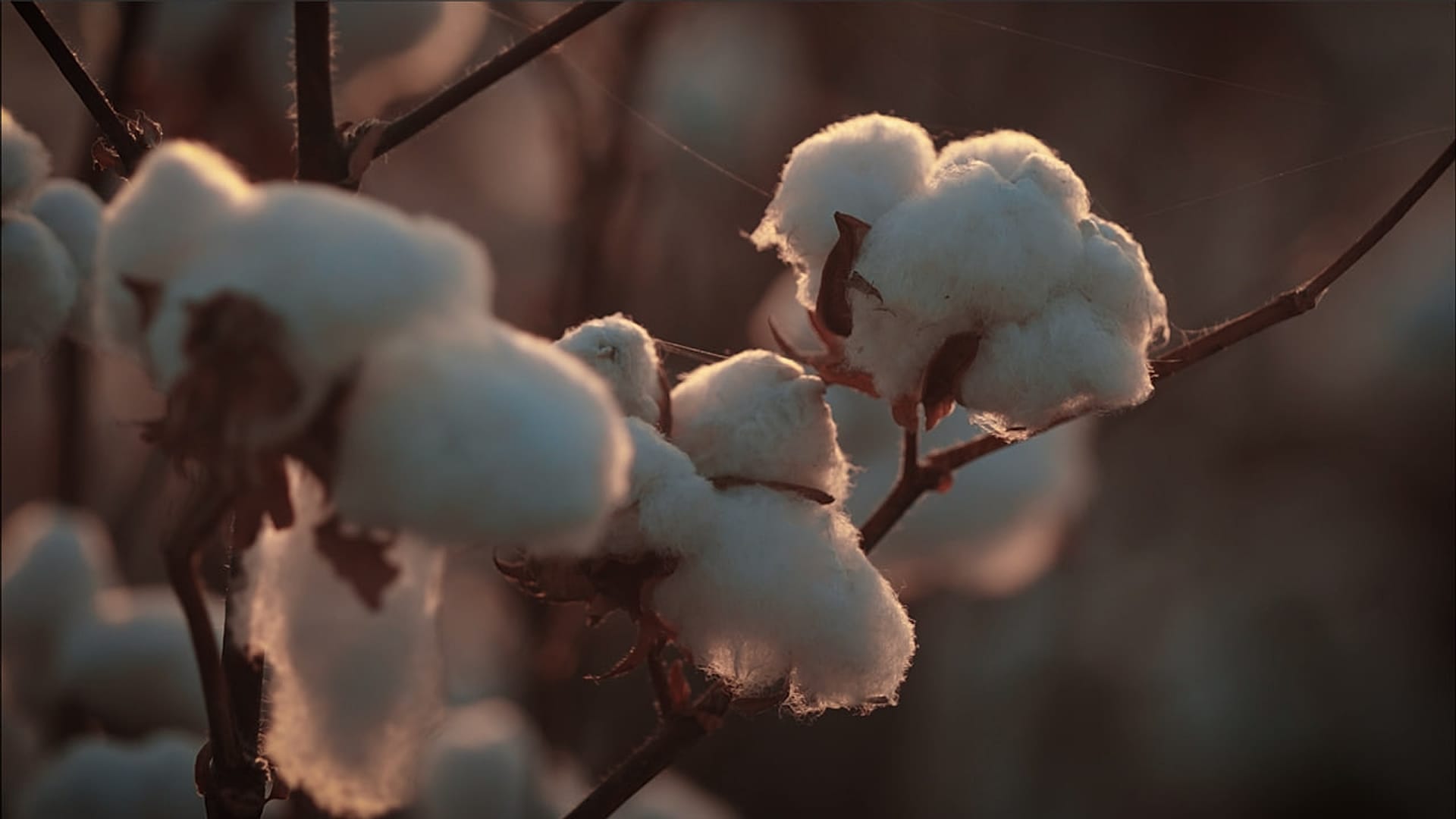
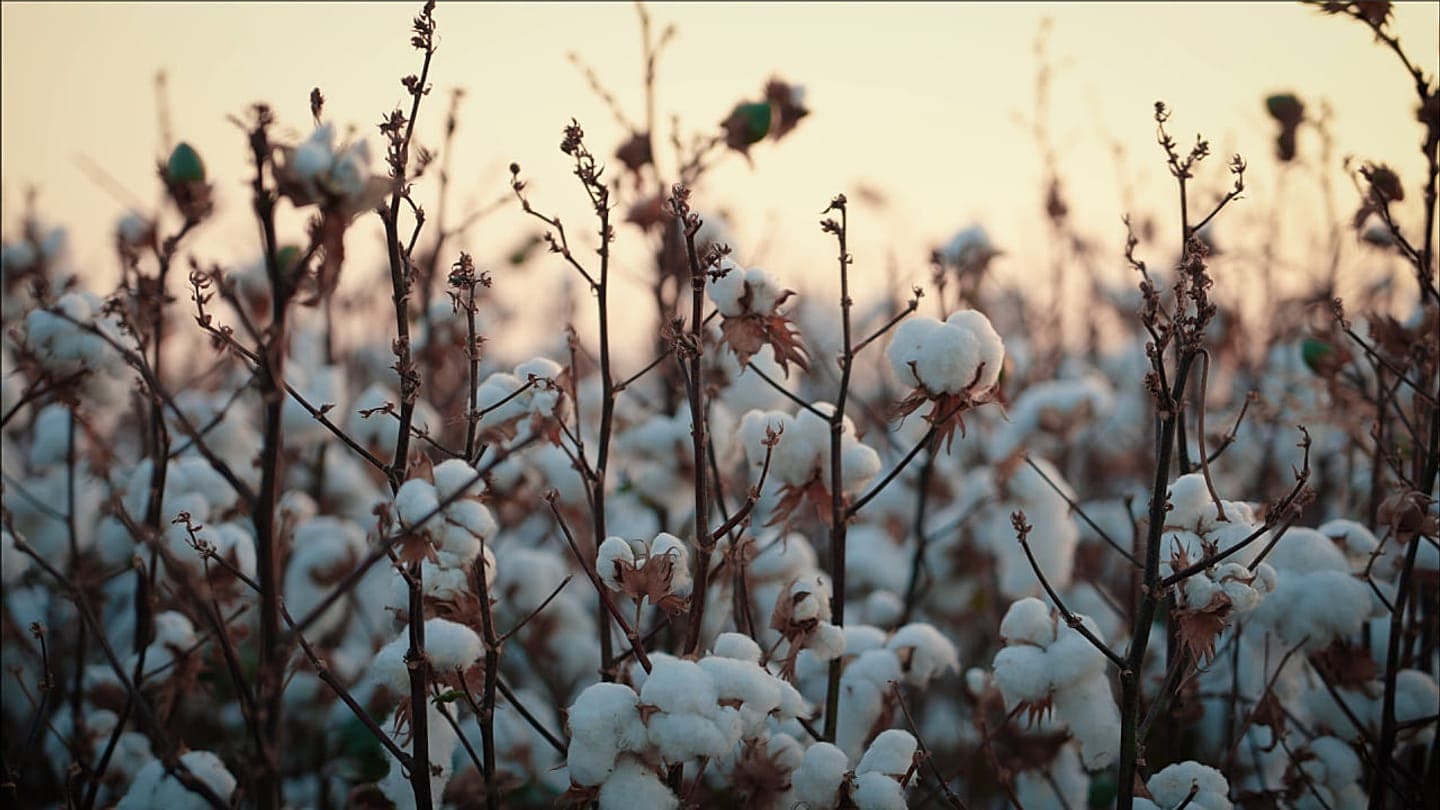
Uzbekistan has announced the harvest of more than five million tonnes of raw cotton in 2026 — the largest harvest since independence in 1991 and, according to officials, roughly a quarter more than last year's. This was reported by Euronews citing Agriculture Minister Ibrokhim Abdurakhmonov, who put the 2025 harvest at around four million tonnes. The current harvest also exceeded the government's original plan of 4.5 million tonnes.
What drove the increase
The authorities attribute the growth to new cotton varieties, changed sowing methods and wider use of harvesting machinery. According to the government, cotton sowing areas have shrunk by 38% in recent years, while average yields have risen from 2.1 to 5.6 tonnes per hectare — meaning the increase in the harvest was achieved on a smaller area. More than 3,000 machines harvested about 85% of the crop in 30–35 days; in the Jizzakh and Syrdarya regions the entire harvest was collected by machinery. The government expects cotton growers to receive a combined net profit of 13–14 trillion soums (about €1 billion), although the final figures have not yet been confirmed.
Processing and labour reforms
The growth in production is taking place against the backdrop of expanding domestic processing: the country seeks to turn more and more cotton into yarn, fabric and clothing domestically, including through cotton-textile clusters. 'In the past we sold only cotton fibre,' Abdurakhmonov told journalists. According to the World Bank, since 2023 Uzbekistan has had enough capacity to process the entire harvest into yarn, and employment in the textile industry has grown from 188,000 people in 2018 to about 600,000 in 2024. The labour context is also changing: for decades teachers, students and public-sector employees were mobilised for compulsory work in the fields, but in March 2022 the International Labour Organization declared the elimination of systemic forced and child labour following the 2021 harvest campaign, after which the Cotton Campaign initiative lifted its call for a global boycott of Uzbek cotton, which had been supported by 331 brands and retail chains.
Water and plans for 2027
The key constraint is water: according to the World Bank, agriculture accounts for about 90% of the country's water consumption. President Shavkat Mirziyoyev said that cotton farming now uses half as much water as in the 1990s, and Abdurakhmonov linked this to the transition from flooding fields to drip irrigation, which, in his estimate, can reduce water use by about 40%; farmers also alternate cotton with wheat to restore the soil. After the record harvest, Mirziyoyev set the goal of raising average yields from 5.6 to 6.5–7 tonnes per hectare by 2027 through higher-yielding varieties, agricultural drones, artificial intelligence and efficient irrigation. How these measures will affect farmers' incomes and water consumption remains unknown.