The key facts
- Israeli President Isaac Herzog is holding a second day of consultations with Knesset parties in Jerusalem
- Likud and Otzma Yehudit support Netanyahu, while Yashar, the Democrats, Beahad and Ra'am back Eisenkot
- Netanyahu's bloc holds 53 mandates, the Eisenkot opposition 48, and the Joint List and Ra'am 19; a majority requires 61
Consultations at the President's Residence
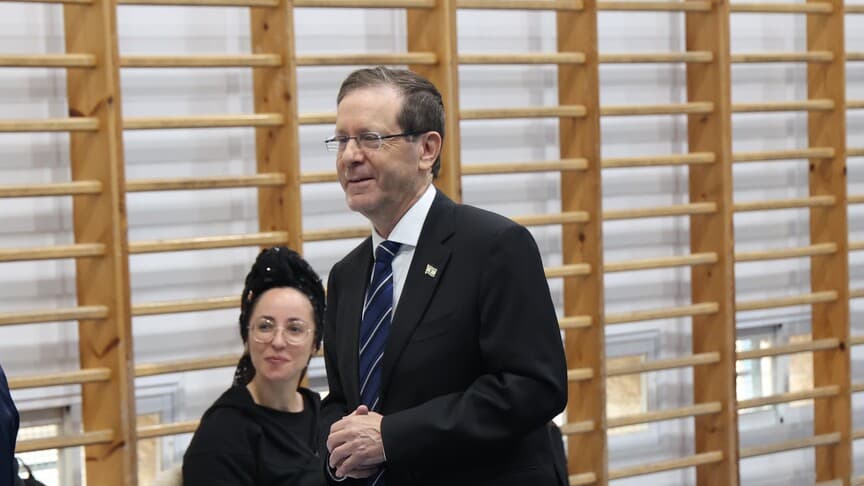
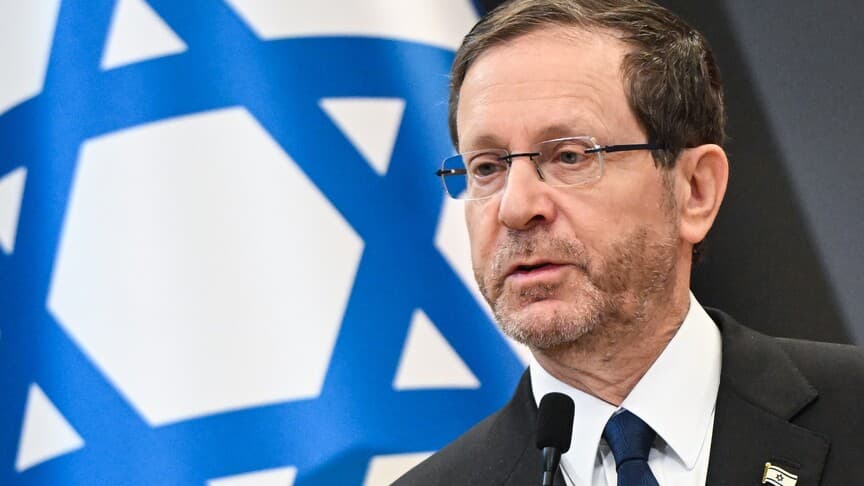
Israeli President Isaac Herzog on Thursday resumed consultations with the parties elected to the new Knesset to determine who will be tasked with forming the next government. The second day of meetings is taking place at the President's Residence in Jerusalem — the previous evening, Herzog had already held talks with several small parties. Each party is asked to name its candidate for prime minister, after which the president will decide which member of Knesset will first receive the mandate to form a coalition. This is reported by The Times of Israel, whose material is cited by the Anadolu agency.
The balance of support
According to The Times of Israel, Netanyahu's Likud and Otzma Yehudit support the incumbent prime minister, while Yashar, the Democrats, Beahad and Ra'am have declared their support for Eisenkot. The united Sephardic list United Torah Judaism decided not to recommend either Netanyahu or Eisenkot. The Arab Joint List has also not yet announced its position — it is expected to become clear after its meeting with Herzog.
The Knesset arithmetic
Netanyahu's bloc won 53 mandates in the 120-seat Knesset, including seven seats held by United Torah Judaism. The opposition parties aligned with Eisenkot hold 48 seats, while the Joint List and Ra'am together hold 19. A parliamentary majority requires 61 mandates. If the Joint List and Ra'am join the 48-seat opposition bloc and back Eisenkot, factions totaling 67 seats will support granting him the mandate.
Context and procedure
The consultations are taking place against the backdrop of opposition criticism of Netanyahu's continued leadership: some are calling for a change of government following the Democrats' successes in the US midterm elections. Under Israeli law, Herzog is required to task the formation of a government with a member of Knesset who, in his view, has the best chance of assembling a coalition. The chosen candidate will have 28 days to form a coalition, with a possible extension of up to 14 days.