The key facts
- Former diplomat Josh Krashna speaks of 'unimaginable panic' in Israel over changes in relations with the US
- The Democrats won a majority in both chambers of Congress; the new composition takes office in January 2027
- Trump announced an agreement with Netanyahu to end payments of about 4 billion dollars a year; the mechanism is unclear
Anxiety in Tel Aviv
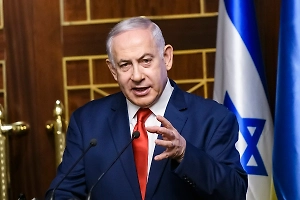
In Israel, concern is growing over the rapid changes in relations with the United States, which for decades remained the country's main ally. Former Israeli diplomat Josh Krashna, now a senior research fellow at the Moshe Dayan Center for Middle Eastern and African Studies at Tel Aviv University, described what is happening as 'unimaginable panic.' This is reported by The Wall Street Journal, whose article is cited by Life.ru. According to Krashna, Israelis have grown used to viewing American support as constant, but now the confidence that Washington will always stand by Israel's side has been called into question.
Elections and the question of aid
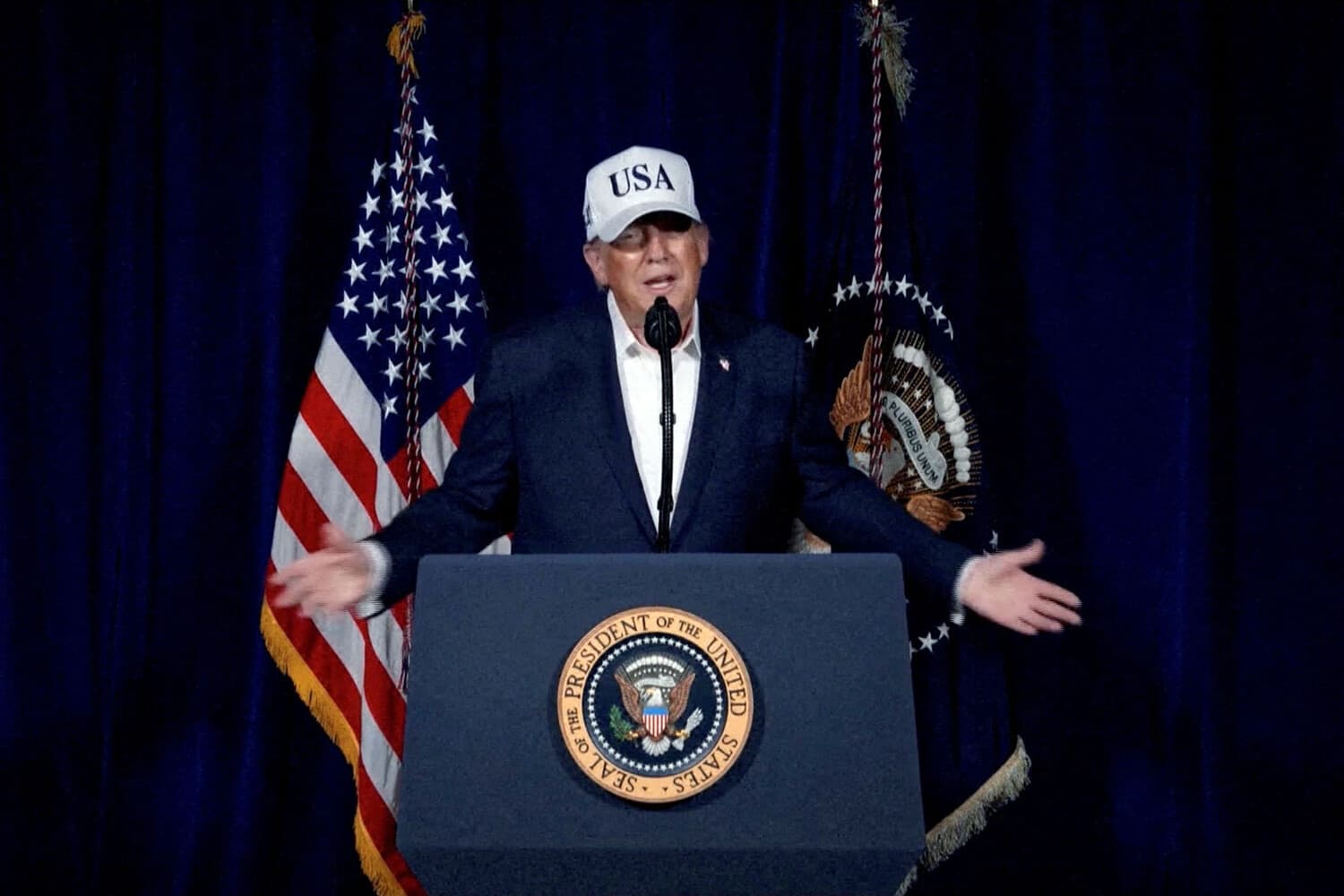
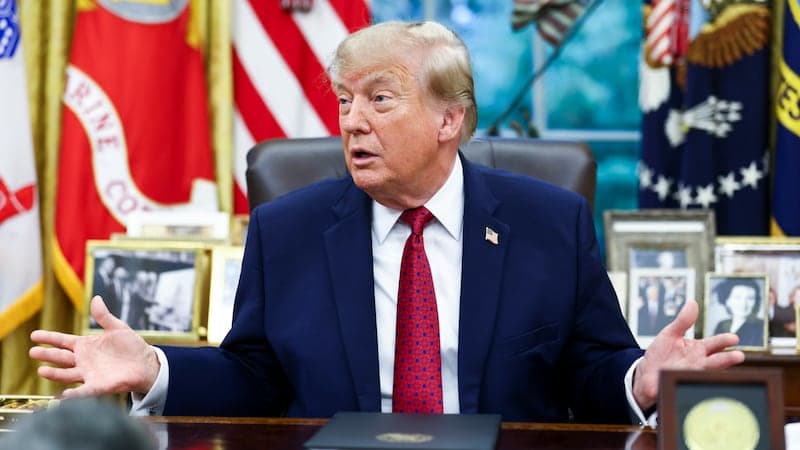
One cause for alarm was the results of the US midterm elections: the Democrats secured a majority in both chambers of Congress, whose new composition will take office in January 2027. Among those elected are opponents of the previous scale of aid to Israel, and a review of the relationship is being discussed by some Republicans as well. An additional signal was Donald Trump's statement about ending annual payments to Israel of roughly four billion dollars; the president claims he agreed on this with Benjamin Netanyahu. At the same time, the mechanism for ending the funding is unclear: the current agreement provides for military aid of 3.8 billion dollars annually through 2028. WSJ notes that Israel had previously prepared for a gradual reduction of its dependence on Washington, but the changes are happening faster than expected.
Disagreements over Iran
Tensions within the alliance are compounded by disagreements on the military front. As CNN previously reported, citing Life.ru, Netanyahu tried to persuade Trump to carry out a joint operation against Iran before the congressional elections, but was refused. Later, Axios wrote about new attempts by the Israeli prime minister to secure support for a military scenario; according to sources at the outlet, Trump preferred to continue negotiations with Tehran. Thus, the anxiety in Israel is tied to several processes at once: the composition of the future Congress, the question of funding, and the White House's disagreement over strikes on Iran.