The key facts
- Gadi Eisenkot received 67 recommendations against 46 for Netanyahu — the highest figure since 2015, according to the party
- President Herzog intends to hand over the mandate on Sunday, but warned of uncertainty due to mutual vetoes
- The October 27 elections gave neither bloc an absolute majority
Party demands mandate for Eisenkot
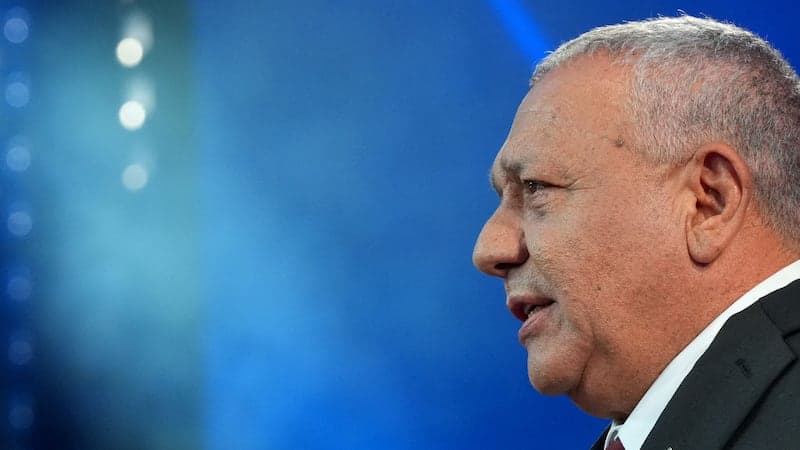
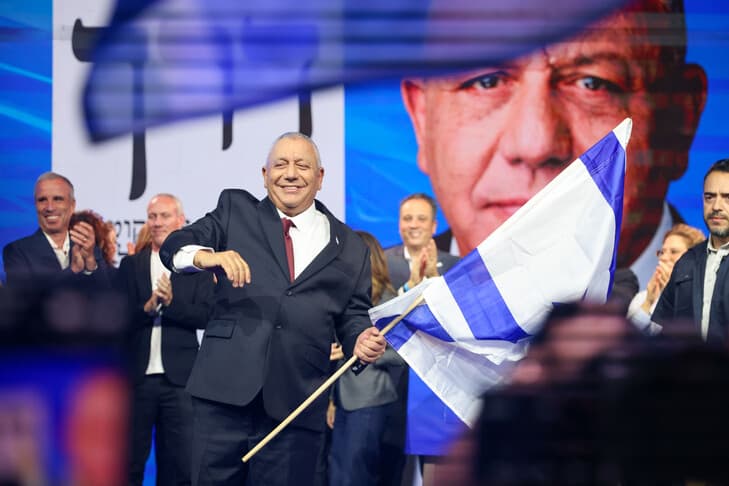
The Yashar party on Thursday appealed to Israeli President Isaac Herzog, demanding that he task its chairman, Gadi Eisenkot, with forming the next government. According to the party's count, he received 67 recommendations from parliamentary factions, compared with 46 for incumbent Prime Minister Benjamin Netanyahu — which, the party claims, is the highest number of recommendations for a candidate to form a government since 2015. This was reported by Anadolu citing The Times of Israel.
The party's arguments and the president's position
In its statement, Yashar described the results as evidence of Israelis' desire for change and of a 'complete lack of trust' in Netanyahu. 'Benjamin Netanyahu is an interim prime minister leading a minority of just 46 seats. He has no mandate, no majority, and no public trust,' the party's statement said. It called on Herzog to hand the mandate to Eisenkot 'as soon as possible' so that he could form an 'emergency national government' that would begin working for all citizens of Israel.
Uncertainty due to mutual vetoes
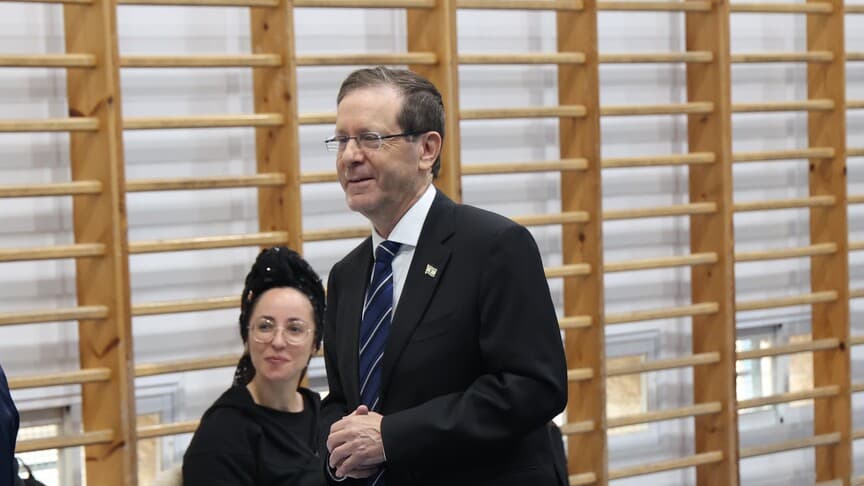
Herzog himself, after consultations with all Knesset factions, said the outcome looked clear, but the possibility of forming a government remains uncertain due to mutual vetoes between the blocs and within the blocs themselves. He intends to hold additional personal talks with party leaders to determine who is capable of forming a government, and expects to hand over the mandate on Sunday. Parliamentary elections were held on October 27, and neither Netanyahu's bloc nor the opposition won an absolute majority. Under Israeli law, the president tasks a member of parliament with forming a government after consulting the factions, taking into account his chances of securing majority support in the Knesset.