The key facts
- Isaac Herzog will announce on Sunday who will first attempt to form a government
- Gadi Eisenkot received 67 recommendations out of 120 Knesset members
- Key coalition dilemmas are deals with the ultra-Orthodox and the Arab parties
- Key coalition dilemmas are deals with the ultra-Orthodox and Arab parties
The Sunday decision after a week of consultations
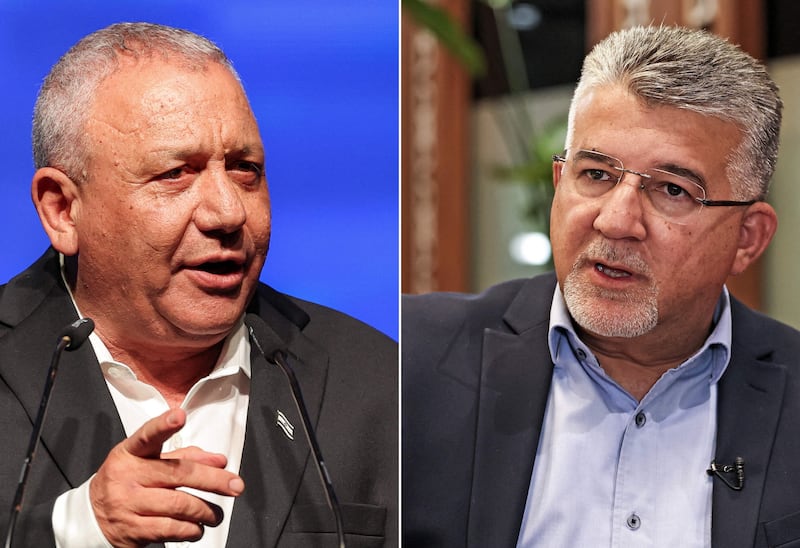
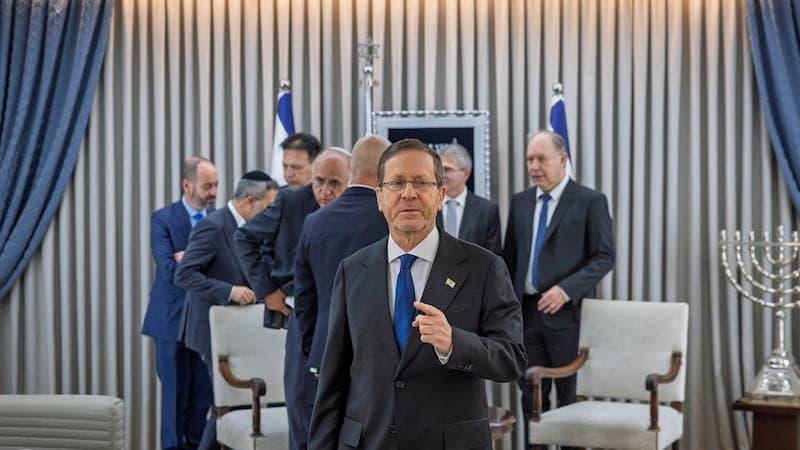
On Saturday evening, after the end of Shabbat, Israel moves on to the next stage of government formation following last month's elections, which produced no clear result. President Isaac Herzog faces an unusually consequential and potentially highly contentious step: choosing the politician who will first get the chance to form a government. According to The National, the mandate is expected to go to Gadi Eisenkot, who, following a week of consultations held by the president with the factions of the new Knesset, gathered the largest number of recommendations — 67 out of 120 members of parliament.
What happens next under the procedure
Eisenkot's selection is not a foregone conclusion: Herzog has his own discretion, and, as The National notes, this is likely the most important decision an Israeli president can make. He will announce his decision on Sunday. If Eisenkot receives the mandate, he will have 28 days to form a coalition; if no progress is made, the president may extend the deadline by another 14 days. Herzog may then hand the attempt to another candidate — this time without the possibility of extension; that candidate could well be Benjamin Netanyahu. If that also fails, the president may inform the Knesset speaker that forming a government is impossible, which means new elections. An alternative route: at least 61 members of parliament may, within 21 days and with the candidate's consent, nominate him to form a government, in which case the candidate will have 14 days; if that fails, new elections will follow again. Until a government is formed, Netanyahu remains caretaker prime minister.
The main coalition dilemmas
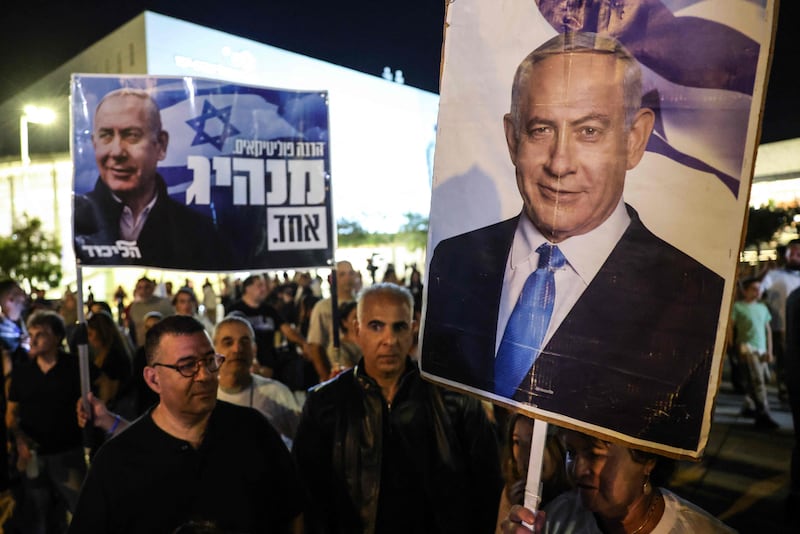
For the majority of the opposition, this will mean backing away from campaign promises. Two key issues are a possible deal with the ultra-Orthodox United Torah Judaism party, which would likely touch on contentious military service exemptions and large state benefits for the community, and an alliance with the Arab parties. The Arab bloc won 19 seats after a historically high turnout, but, as The National writes, many in the Israeli opposition — to say nothing of the government camp — brand these politicians (Arabs make up 20% of the country's population) as unreliable or even traitors rather than partners. If Eisenkot goes down this path, Netanyahu and his supporters will gain an additional argument for the narrative they promote: that the elections were stolen through a campaign to mobilize Arab voters with foreign money; according to the opposition, loyalists within Israel's security establishment are also involved in shaping these accusations. Israel's Central Elections Committee has consistently confirmed the validity of the voting results, despite claims from Netanyahu's camp.
The stakes and risks of a prolonged process
In the opposition, The National reports, they say their fragmented group has hardly any time and must urgently create an 'emergency' coalition to work on restoring Israel's image abroad — a task that, in their assessment, became even more urgent after Tuesday's US midterm elections, which were unsuccessful for the Trump administration. Herzog seeks unity after four years of unprecedented division under Netanyahu's coalition, but the process he leads could, on the contrary, deepen the confrontation — especially if it drags on for months, which is quite possible. There is also concern that Netanyahu may try to create a state of emergency in the security sphere: tensions with Iran, for example, remain extremely high. The tafs.uz editorial team emphasizes: these scenarios are the expectations and fears of participants in the process as set out in the publication, not accomplished facts; the key fact that will become known on Sunday is whose name the president will announce.