The key facts
- ASI and the Ministry of Labour forecast the need to replace up to 12 million workers by 2030
- The shortage will affect all sectors of the economy, including industry
- ASI proposes scaling up the mechanism of practical tasks from employers for young people
Forecast by ASI and the Ministry of Labour
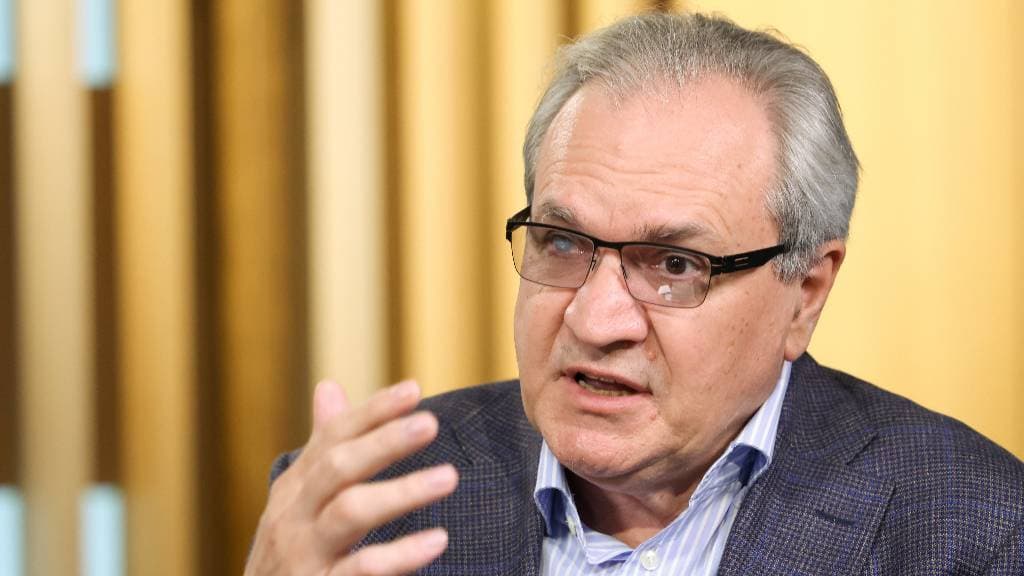
By 2030, the Russian labour market will need to replace about 12 million specialists across various sectors of the economy. This estimate was voiced at the press conference 'A Specialist in the World of High Technologies' by Alexander Vaino, director of the 'Young Professionals' direction at the Agency for Strategic Initiatives (ASI), citing forecasts from ASI and the Ministry of Labour. According to him, against the backdrop of a difficult demographic situation, one of the main ways to solve the personnel problem should be raising labour productivity. 'Up to 12 million [workers] must be replaced by 2030. And, of course, in connection with this replacement we understand perfectly well that our demographic situation is quite difficult, so labour productivity must be increased,' quotes Life.ru (1) the ASI representative.
How the shortage is proposed to be filled
According to Vaino, the need to replace workers will affect all sectors of the economy, including industry. He believes that to attract young specialists it is not enough to tell them about the prospects of engineering professions and career growth: future engineers should be given the opportunity to get acquainted with production as early as the stage of choosing a profession. To this end, young people should be engaged in solving real tasks set by enterprises. 'A young person receives practical tasks from specific employers, from specific enterprises. And it is important to scale this mechanism <...> up,' Vaino explained. In his assessment, combining career guidance with practical work will help young people better understand the specifics of a profession and will increase the likelihood of their subsequent employment at the enterprises they have already interacted with.
Context: which professions will remain in demand
Earlier, Life.ru reported on the most in-demand professions in the second half of 2026: Igor Balynin, an associate professor at the Financial University under the Government of the Russian Federation, predicted continued high demand for engineers, electricians and skilled workers, including turners, milling machine operators and welders. He linked the need for such specialists to the ongoing shortage of trained personnel in production. This forecast is consistent with ASI's assessment of large-scale worker replacement, including in industry, although both statements concern different aspects of the same problem — the shortage of personnel.