The key facts
- Democrats won control of both chambers of Congress, gaining the power to block legislation, appointments, and launch investigations
- Republican Senate seats flipped to Democrats in seven states, including Maine, Kansas, and Iowa
- Trump acknowledged the results as acceptable but threatened to use veto power against Democratic laws
Defeat in the midterm elections
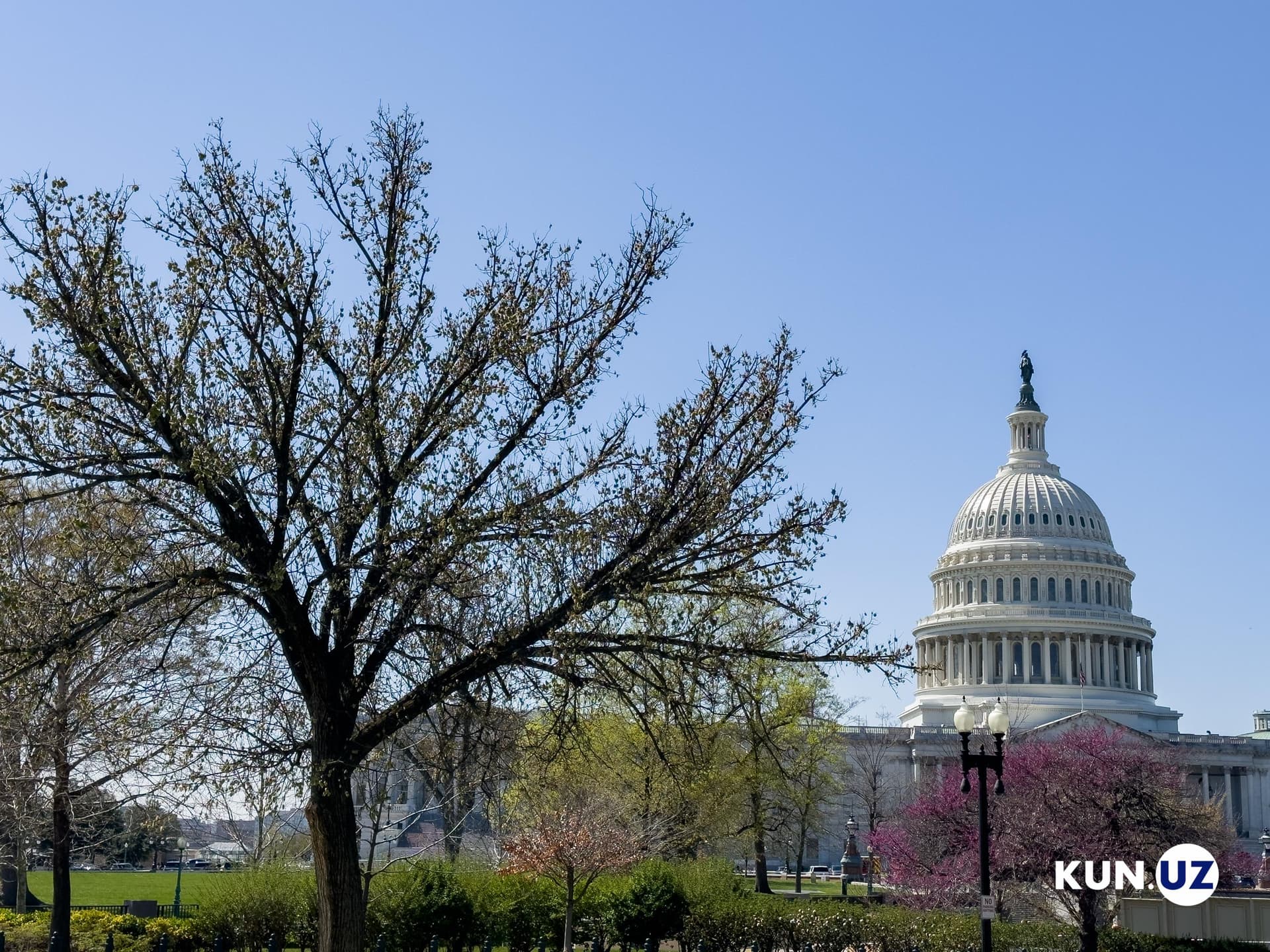
Following the US midterm elections, the Democratic Party has gained control of both chambers of Congress — the Senate and the House of Representatives. As reported by AFP, this represents a nationwide rejection of Donald Trump's policies and will deprive him of the ability to advance his legislative agenda during the final two years of his presidency. Now the opposition will be able to block bills, obstruct judicial and high-level appointments, and launch broad investigations into the administration's activities.
Reasons for the Republican defeat
The publication links the election results to public dissatisfaction with the cost of living, tariffs, and Trump's war against Iran, which led to rising fuel prices. Todd Belt, a professor at George Washington University, described election night as 'a major rout and a strong rejection of Donald Trump and his policies.' Trump himself acknowledged that the Iranian conflict contributed to the defeat but defended the military campaign.
Senate: upheaval in conservative states
Democrats captured their seventh Senate seat from Republicans when former logger Troy Jackson defeated long-serving Senator Susan Collins in Maine. In Kansas, Methodist preacher Adam Hamilton became the first Democrat elected to the Senate from this conservative state since 1932; Iowa had not elected a Democratic senator since 2008. Victories were also secured by James Talarico and Gina Inohosa in Texas, where the latter unseated Republican Governor Greg Abbott, ending decades of Republican rule in the state. In Michigan, Abdul El-Sayed defeated former Republican Congressman Mike Rogers, becoming the first Muslim elected to the upper chamber of Congress. Meanwhile, the party successfully defended its own key seats, including John Ossoff's in Georgia.
House of Representatives and gubernatorial elections
In the House of Representatives, Democrats made gains in Pennsylvania, Kentucky, Arizona, North Carolina, Wisconsin, and New Jersey, including districts that Trump had won decisively in 2024. In Indiana, Democrat JD Ford defeated Republican Victoria Spartz in a district where Trump had previously secured a 17-percentage-point margin two years earlier. In Georgia's gubernatorial race, former Atlanta Mayor Keisha Lance Bottoms won, becoming the first Black female governor in US history. Republicans only managed a comeback in Florida, where Trump-backed Byron Donalds became the state's first Black governor, while Ashley Moody retained her Senate seat — both had to overcome unexpectedly strong Democratic opposition.
Trump's reaction and what comes next
Despite his history of questioning election results, Trump told The New York Times that he is 'absolutely ready' to accept the outcomes and, in an interview with Fox News, offered rare praise: 'Democrats did well, they fought desperately.' At the same time, he attempted to distance himself from his party's failure, stating that he 'does not consider this a blow to himself,' and insisted on social media that Republicans would have won 'by a landslide' had he been on the ballot. He also reiterated his threat to use presidential veto power against Democratic laws, posting an image of a red baseball cap with the word 'VETO' written on it. The new Congress will convene in January: according to AFP, Democratic House leader Hakeem Jeffries could become the first Black Speaker in history, while Congressman Robert Garcia, the expected chair of the House Oversight Committee, issued a warning to Republicans to 'LAWYER UP' ('hire lawyers'). According to Democratic plans, investigations will cover the war with Iran, immigration policy, and corruption allegations.