The key facts
- Democrats won the elections and gained control of the House of Representatives and the Senate
- Trump promised to block Democratic bills but then said he was ready to 'accept the results' and negotiate
- Most Asian and European indices rose, the dollar and Treasury bond yields fell; technology stocks remained under pressure
A 'blue wave' reshapes the balance of power in Washington
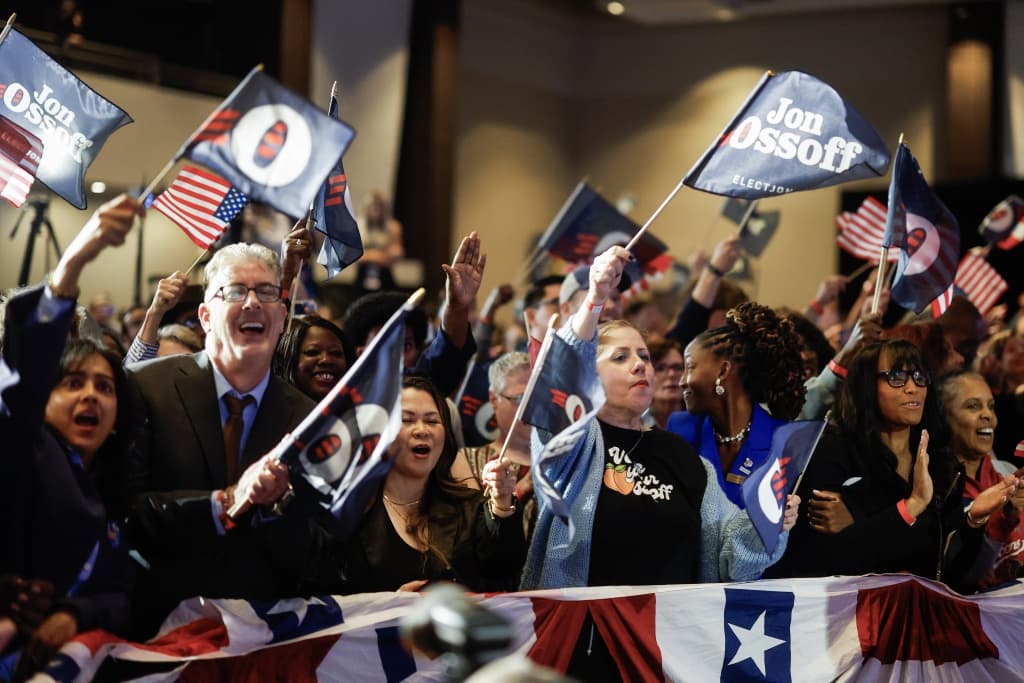
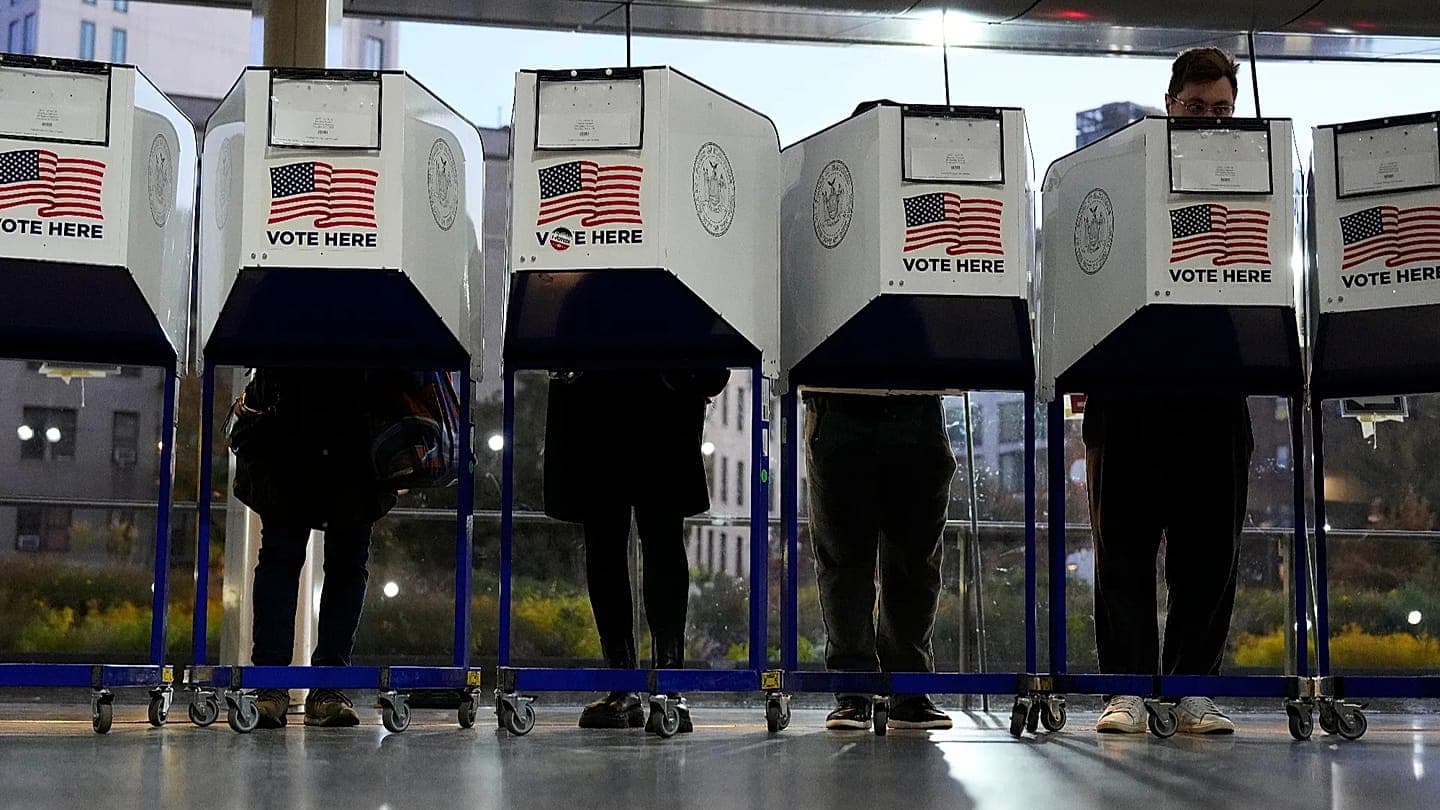
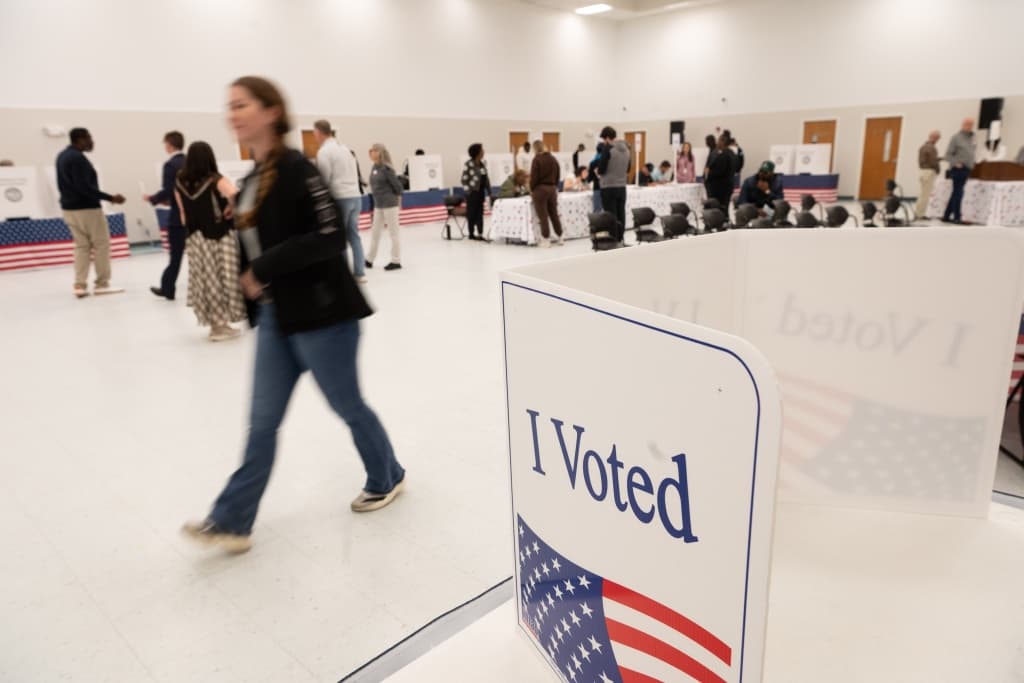
The US midterm congressional elections brought victory to the Democratic Party: Republicans lost their majority in both the House of Representatives and the Senate, including a number of Republican districts that had been considered safe. This was reported by AFP. The vote took place against a backdrop of discontent over rising gasoline prices, tariffs, and the war with Iran, and it was framed as a referendum on the White House's performance at the start of the final two years of Donald Trump's presidential term.
From veto threats to a conciliatory tone
Even before the results were tallied, Trump, in a telephone interview with CBS, promised to become 'Mr. Veto' and block any Democratic bills if they won. However, as the results came in, he told the New York Times that he was 'absolutely ready to accept these results' and expected to reach agreements with the Democrats. It was this softer tone, according to AFP's observation, that gave impetus to the rebound of parts of the stock markets, the dollar, and Treasury bond yields after their initial decline.
What the markets see in the new balance of power
Analysts differ in their assessment of the consequences. Chris Weston of Pepperstone listed the risks of 'legislative gridlock, fiscal conflicts, disputes over the debt ceiling, and parliamentary investigations,' but noted that the president retains significant executive powers, so the impact on individual sectors is unclear. David Chao of Invesco pointed out that a Democratic Congress will make it harder to pass major partisan bills and reduce the likelihood of new large-scale fiscal stimulus over the next two years — and for Asia, this could ease the pressure of high US rates and a strong dollar on local currencies and monetary policy.
The technology sector and Iran
Technology companies remained under pressure: investors are worried about the fate of large-scale data center construction, which many Democrats opposed. Stephen Innes of SPI Asset Management explained that the risk lies not in an automatic ban on construction by new state leadership, but in a possible change in the regulatory environment, at a time when developers have already invested enormous sums in projects that depend on electricity availability and predictable timelines. In Asia, shares of Japan's Kioxia fell by more than 5%, Advantest and SoftBank by more than 3%, and South Korea's SK hynix and Samsung also declined. Oil rose slightly amid the Middle East situation: Trump confirmed US strikes on Iran but downplayed rumors of a resumption of bombing, telling the Financial Times that he was 'ready, loaded, and locked on,' although 'there may be no reason for it.' Iranian representatives differed in their rhetoric: President Masoud Pezeshkian spoke of resolving the crisis 'through dialogue,' negotiations sponsor Mohammad Bagher Ghalibaf spoke of readiness 'for battle with a finger on the trigger,' and Deputy Foreign Minister Kazem Gharibabadi later wrote on X that 'the Americans said NO to war, and we support this message.'
Trading results
At the close of trading, the Nikkei in Tokyo lost 1.4% (62,188.63), while the Hang Seng in Hong Kong rose 1.7% (23,919.50) and the Shanghai Composite rose 2.2% (3,686.17). London's FTSE 100 gained 0.2% (10,663.78), while the Dow index in New York fell 0.4% (51,786.72). The euro strengthened against the dollar to $1.1233, the pound to $1.3473, and the dollar fell against the yen to 158.10. WTI rose 0.3% to $96.37 per barrel, and Brent rose 0.4% to $104.02.