The key facts
- Lufthansa's revenue for July–September grew 9% to €12.24 billion — a group record
- Fuel costs for the quarter rose by €543 million; the annual forecast is €9.3 billion versus €7.27 billion in 2025
- The upper end of the annual operating profit forecast has been lowered from €2.2 billion to €2 billion
Record quarter despite expensive kerosene
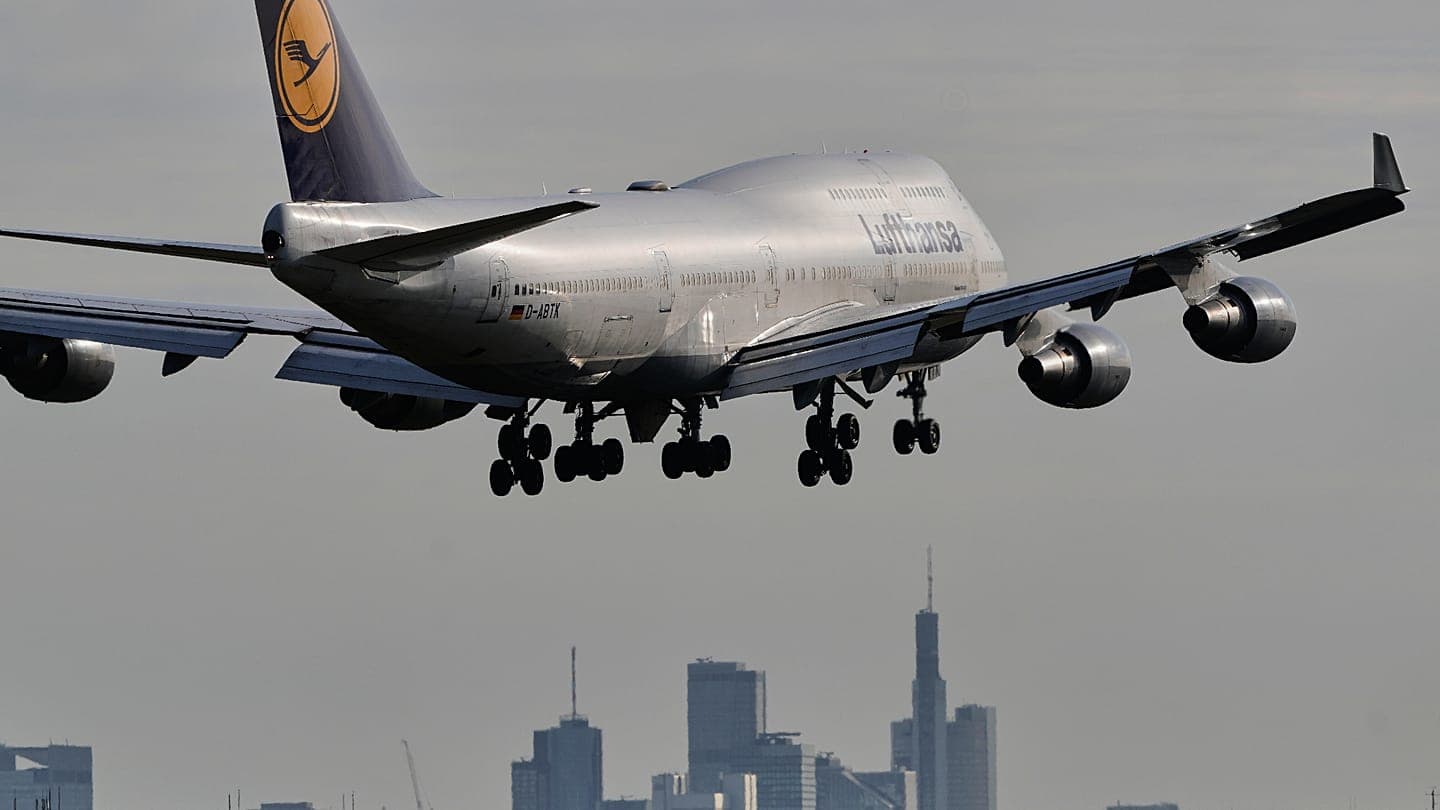
On Tuesday, November 3, the Lufthansa Group reported strong results for July–September: adjusted operating profit rose 6% year-on-year to €1.4 billion, while revenue grew 9% to €12.24 billion, a group record for this metric. This was reported by Euronews (materials available in English and Russian). Revenue growth and strict cost discipline allowed the company to offset the rise in fuel prices: according to CEO Carsten Spohr, the company 'was able to more than compensate for the increase in fuel costs of around half a billion euros.' Due to the sharp rise in kerosene prices, which is linked to the Middle East conflict, fuel expenses for the quarter grew by €543 million.
Who carried the group, and who lagged behind
The group's results were held up by its non-passenger divisions: Lufthansa Cargo more than tripled its adjusted operating profit to €162 million, while Lufthansa Technik raised it by 54% to €200 million. The network airlines SWISS, Austrian Airlines and Brussels Airlines improved their quarterly figures, whereas the flagship carrier Lufthansa lagged behind: its operating profit for the quarter fell by a third, to €300 million. The quarter's results contrast with the outcome of the first nine months of the year, when revenue grew 8% but net profit fell 35%.
Cost savings and hedging against geopolitics
To reduce costs, Lufthansa had already removed 27 aircraft of its subsidiary CityLine from the schedule in April and announced the cancellation of 20,000 short-haul flights through October, which, according to the company's estimate, saves about 40,000 tonnes of jet fuel. The group has also tightened spending on hiring, internal events and external consultants, and continues its plan to cut 4,000 administrative positions by 2030. Chief Financial Officer Till Streichert said the annual fuel bill is now forecast at €9.3 billion, versus €7.27 billion in 2025 — an increase of roughly €2 billion. The company has hedged 86% of its passenger airlines' fuel needs for 2026 and more than 60% for 2027. Because of the rise in fuel prices, the upper end of the forecast for annual operating profit has been lowered from €2.2 billion to €2 billion (the range is now €1.7–2 billion); the final result, according to Streichert, will depend on demand, fuel costs and the cargo division's performance in the fourth quarter. Following the report, the company's shares rose more than 3% in early trading.
The whole industry is feeling the pressure
The problem is not limited to the German group: Ryanair CEO Michael O'Leary told Euronews in Octoberthat European airfares could rise significantly in 2027, as more expensive fuel, higher taxes and a reduction in available seats push prices up. Thus, Lufthansa's record quarterly revenue does not yet reverse the industry trend: fuel costs have already led to flight cancellations, and profit forecasts for the year have been lowered.