The key facts
- A contract has been signed to sell up to 49.9% of TAP's capital to the Lufthansa Group for €1.201 billion
- The state will retain 51% of the capital and a majority on the board of directors; a 5% stake is intended primarily for employees
- Completion of the deal and TAP's integration into the Lufthansa Group depend on approval from Brussels, expected in the first half of 2028
Contract signing in Lisbon
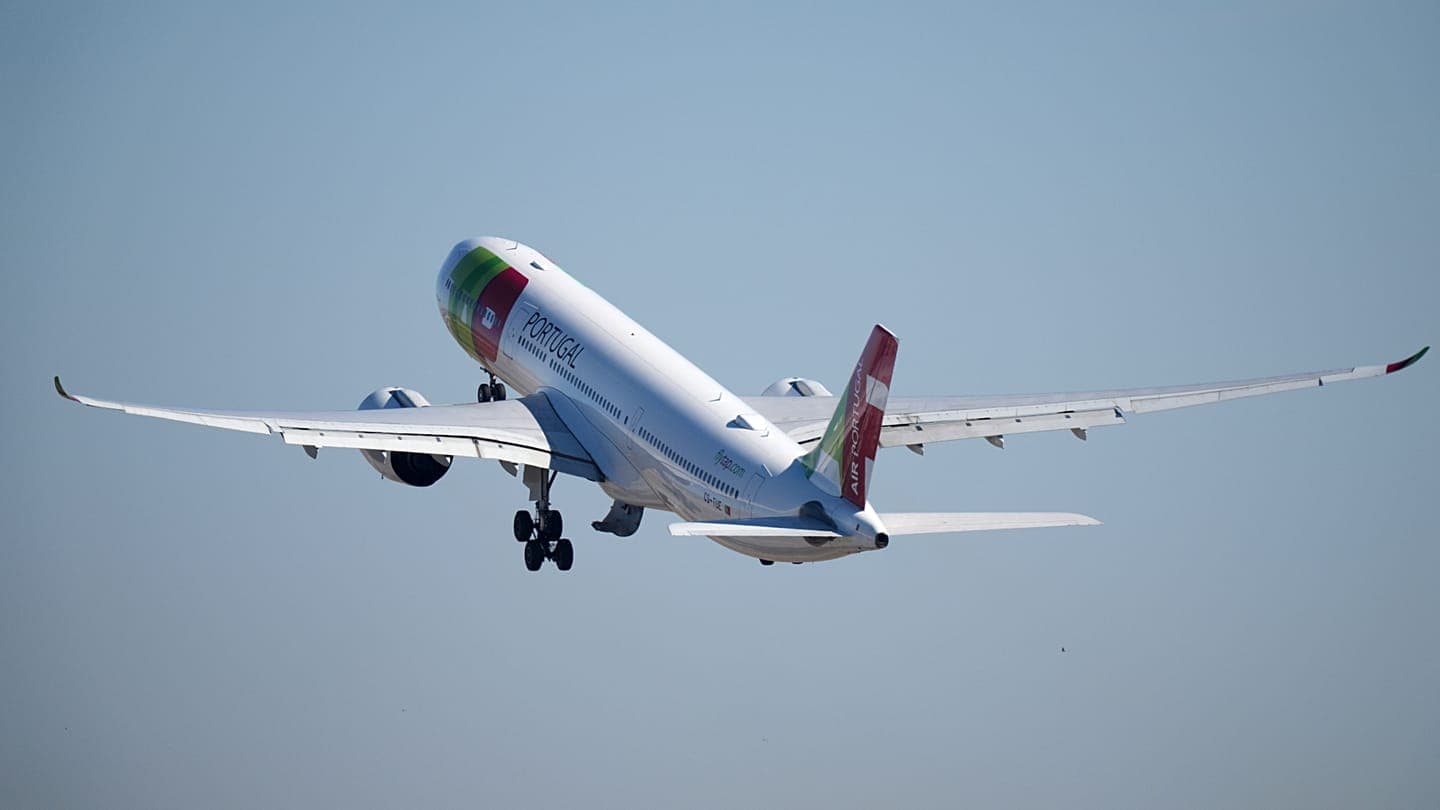
On November 3, 2026, the Portuguese government signed an agreement to sell a stake in the airline TAP to the Lufthansa Group, officially securing the terms of a deal whose winning bidder had been announced on October 14. The ceremony took place at Campus TAP near Lisbon airport, attended by Prime Minister Luís Montenegro, Finance Minister Joaquim Miranda Sarmento and Lufthansa chief Carsten Spohr, reports euronews.
Deal terms and statements from the parties
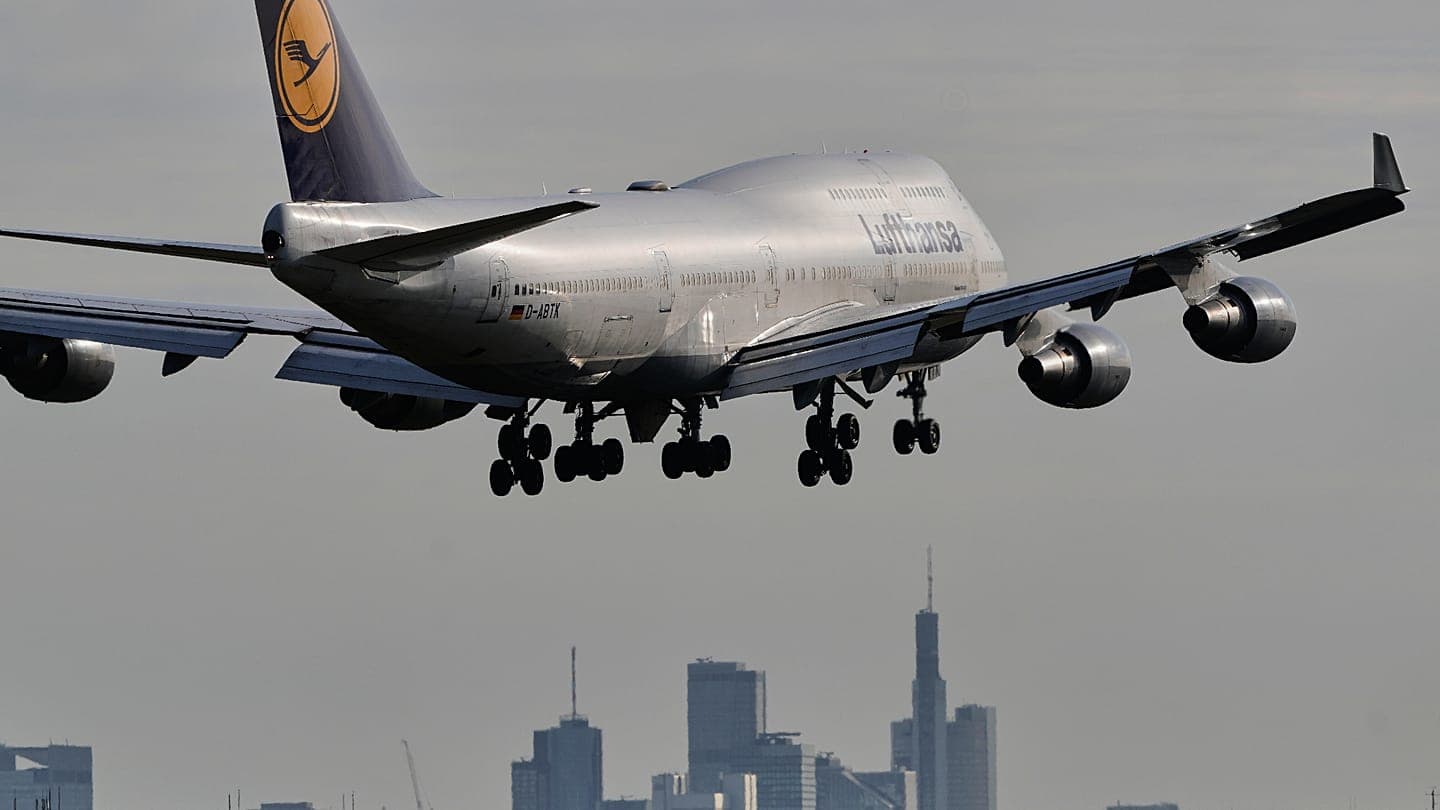
Lufthansa's offer provides for €1.201 billion for a stake of up to 49.9% of the airline's capital, of which 5% is intended primarily for employees. The state will for now retain 51% of the capital and a majority on the board of directors; the government expects to complete the transaction by early 2028. Prime Minister Montenegro said the deal makes it possible to 'secure the country's strategic interests and preserve the identity and brand of TAP,' and stressed that the airline's uniqueness, 'social peace within the company' and commitments to employees are preserved. Carsten Spohr assured that 'TAP will remain a Portuguese airline', called the deal 'an important milestone' and noted the intention to develop Lisbon as one of the group's hubs, without limiting it to the capital: Porto, Funchal, Madeira and the Algarve are also part of the strategy. According to him, the deal opens access to new markets in Africa and Latin America, in particular Brazil.
What depends on Brussels
After the formal signing of the contract, the completion of the sale and TAP's future integration into the Lufthansa Group depend on the European Commission's assessment. The government expects European approval in the first half of 2028; until then, the airline will continue to be managed independently, but under the German group's guidance. Thus, the signed agreement fixes the terms, yet the actual transfer of the stake and integration into the group remain subject to antitrust review in Brussels.