The key facts
- Seven aircraft on flights between European cities received bomb threats; no explosive devices were found
- A LOT flight from London landed at Warsaw-Modlin instead of Chopin Airport, which was temporarily closed during the check
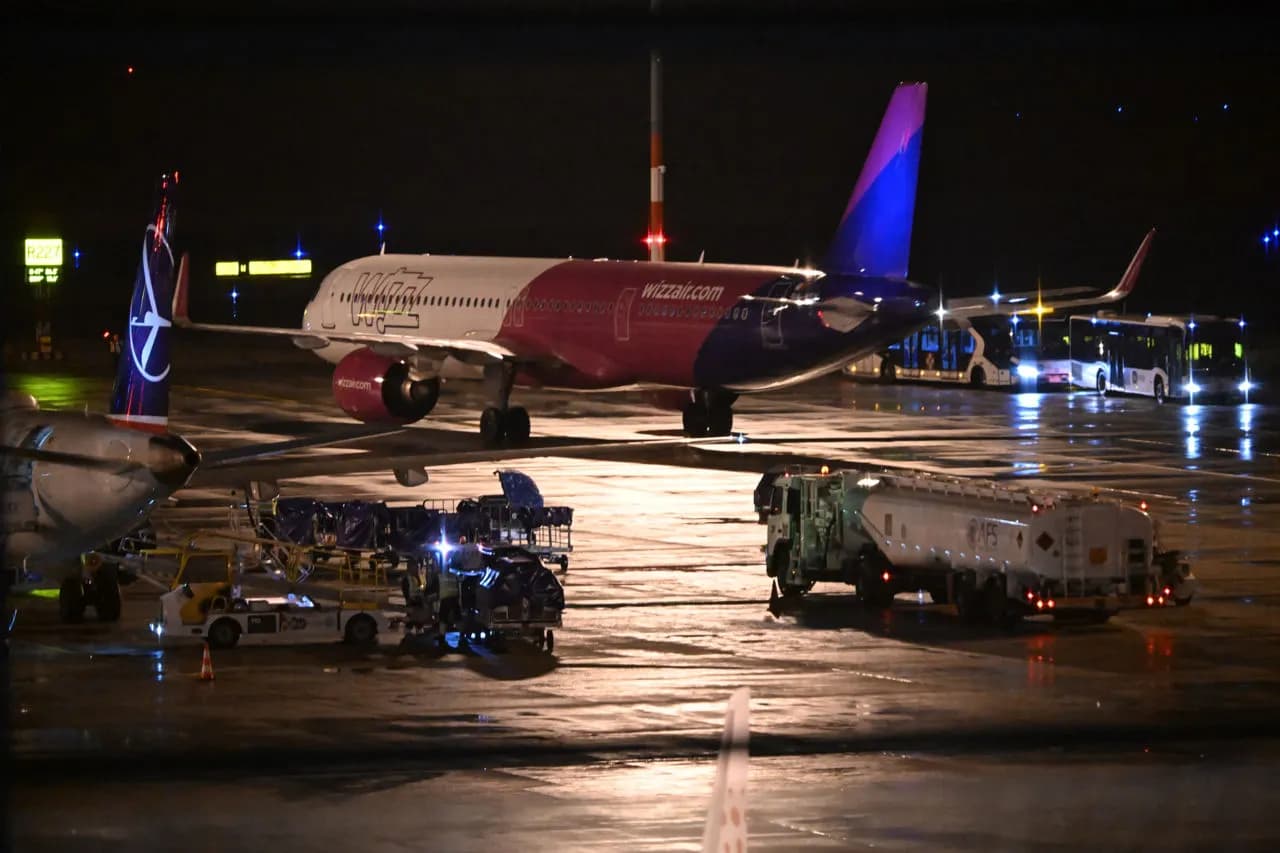
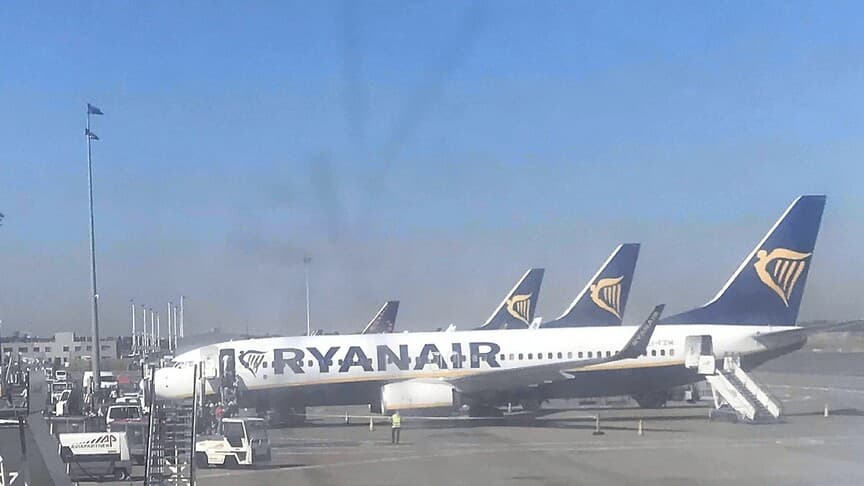
- Four aircraft belonged to Ryanair; the day before, on November 2, a similar incident occurred with a Wizz Air flight to Budapest
What happened
On November 3, 2026, seven passenger aircraft flying routes between European cities received messages that explosive devices were on board. This was reported by the British corporation BBC, as cited by Gazeta.Ru. No bombs were subsequently found on any of the aircraft.
Routes and landings
The flights were operating on the Copenhagen–Warsaw, Bergamo–Sofia, Dublin–Sofia, Manchester–Murcia, Lisbon–Rome and Dublin–Rome routes. Six aircraft landed at their destination airports, while the crew of a Polish LOT Boeing 737 MAX flying from London Heathrow to Warsaw changed course and landed at Warsaw-Modlin Airport instead of Warsaw's Frederic Chopin Airport. According to DW, as cited by Kun.uz, the airport was temporarily closed while the aircraft was being checked; meanwhile, an SAS plane arriving from Copenhagen landed at Chopin Airport, and no dangerous items were found on board.
Who was affected and what is known about the possible cause
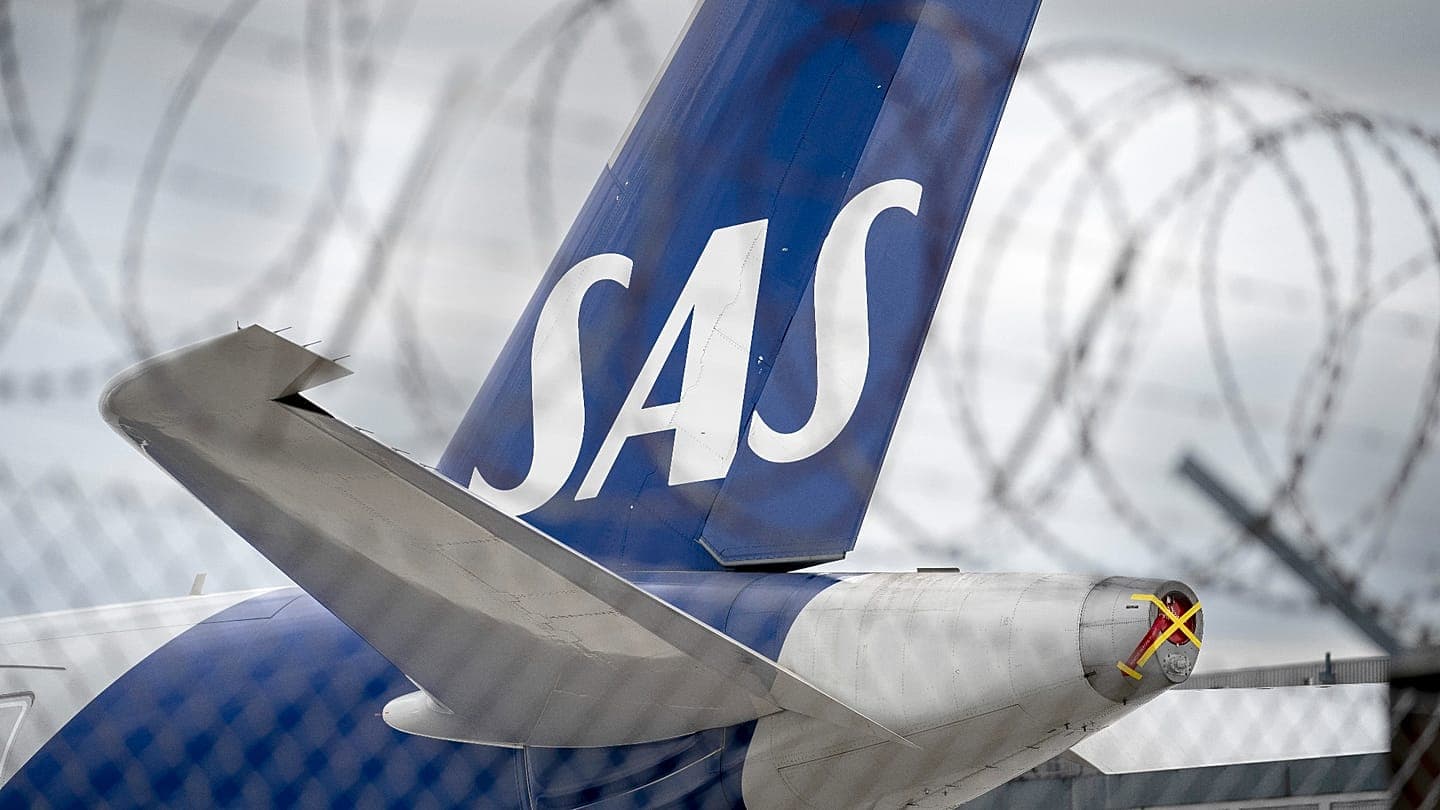
Four of the seven aircraft belonged to Ireland's Ryanair, and one each to LOT, SAS and Hungary's Wizz Air. The BBC found no connection between the aircraft, and European authorities will conduct a joint investigation to determine whether what happened was a 'coordinated attack aimed at disrupting airspace operations.' The head of the analytical department at the consulting company Osprey Flight Solutions, Rhys Jones, in a comment to Reuters, suggested that the aim of such messages is to disrupt air traffic in general rather than targeting a specific country, airline or destination; who is behind the false messages remains unknown.
A similar incident the day before
The day before, on November 2, a Wizz Air aircraft flying from London to Sofia made an emergency landing in Budapest after a bomb threat on board; it was escorted by a Hungarian fighter jet, but the inspection found no traces of explosives. Thus, bomb threats affected at least eight flights over two days, and in all cases the threat was not confirmed.