The key facts
- Trump said the US will end aid to Israel by the end of 2026 under an arrangement reached 'a few months ago'
- Trump said the US will end aid to Israel by the end of 2026 under an agreement reached 'a few months ago'
- The current 2016 agreement provides for $3.8 billion annually until 2028
- Israeli agencies, according to local media, learned of the decision from the media; the leader of the 'Israel Democrats' party blamed Netanyahu
- According to local media reports, Israeli agencies learned of the decision from the press; the leader of the Democrats of Israel party blamed Netanyahu
An announcement on election day
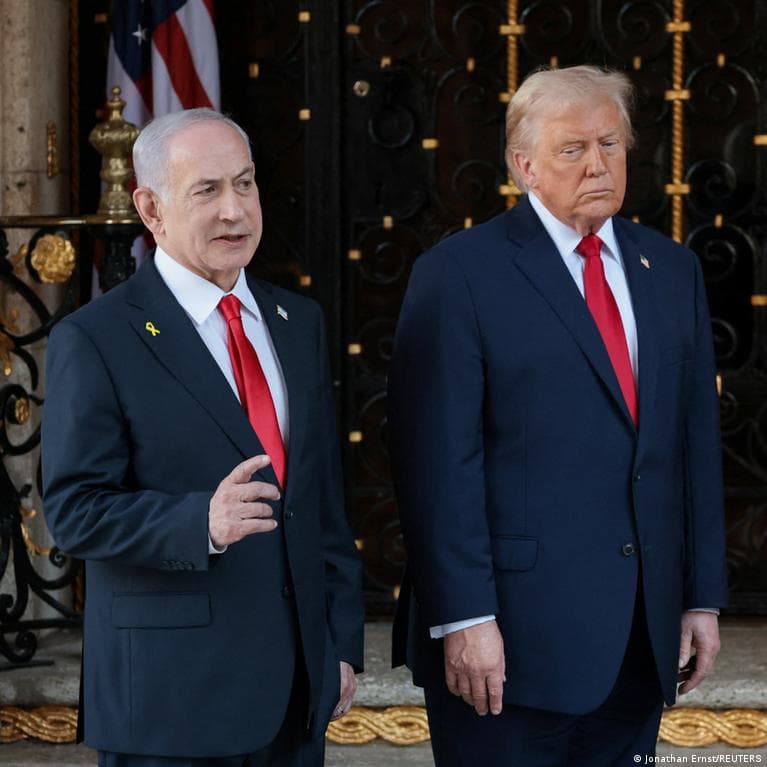
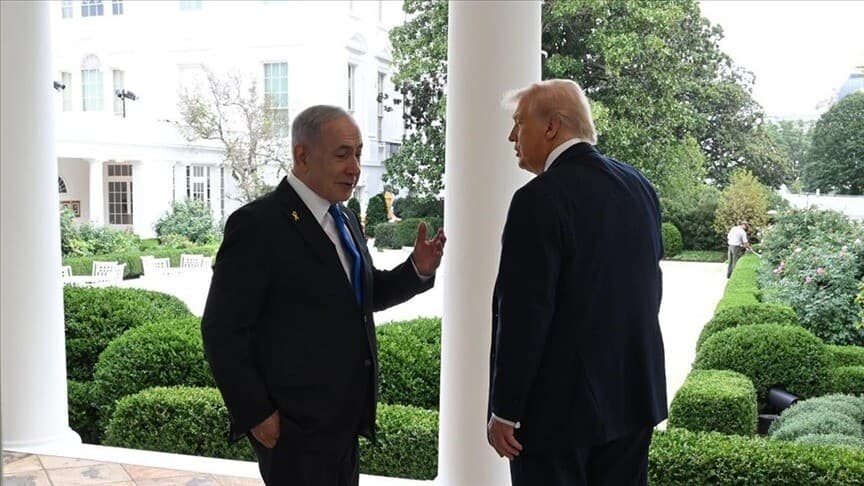
US President Donald Trump on Tuesday, November 3, in a phone interview with Fox News said that Washington will end its annual military aid to Israel of about $4 billion by the end of 2026. According to him, the arrangement with Israeli Prime Minister Benjamin Netanyahu was reached 'a few months ago,' the topic itself had been discussed 'for a couple of years,' and Netanyahu himself was its initiator. Trump stressed that Israel will still be able to buy American weapons: 'They can buy whatever they want.' The statement came in the morning of the midterm elections, when Americans were choosing the entire House of Representatives (435 seats) and 35 Senate seats; in the US there is no electoral silence period, restricting statements on voting day.
What is known about the existing commitments
The current agreement — the third ten-year memorandum of understanding, signed in 2016 under Barack Obama — provides for $38 billion in military aid over ten years, that is, $3.8 billion annually until 2028. Fox News also notes that the existing agreement provides for aid of roughly $3.8 billion per year until 2028. Back in May, Netanyahu said in an interview with CBS News that he favors a gradual phase-out of American military aid over the next ten years and that this process can begin without waiting for a change in the composition of Congress.
The numbers call the statement into question
The National, in a separate analysis, points out that the statement looks more complicated than it seems: since the October 7, 2023 attacks, Congress has approved more than $8.8 billion in additional military aid and joint defense financing for Israel — exceeding the $7.6 billion that Washington was supposed to provide in 2027–2028 under the memorandum by more than $1.2 billion. According to Congress figures cited by the outlet, Israel remains the largest cumulative recipient of American foreign aid since World War II — more than $190 billion in bilateral aid and missile defense financing. The National also suggests the announcement may have been aimed at voters on election day, against the backdrop of declining support for Israel among Democrats and part of Trump's Republican base. Trump himself linked the decision to criticism from Democrats, in particular calling Michigan Senate candidate Abdul El-Sayed a 'jihadist lunatic'; El-Sayed calls Israel's actions in Gaza genocide and advocates ending military aid.
Reaction in Israel
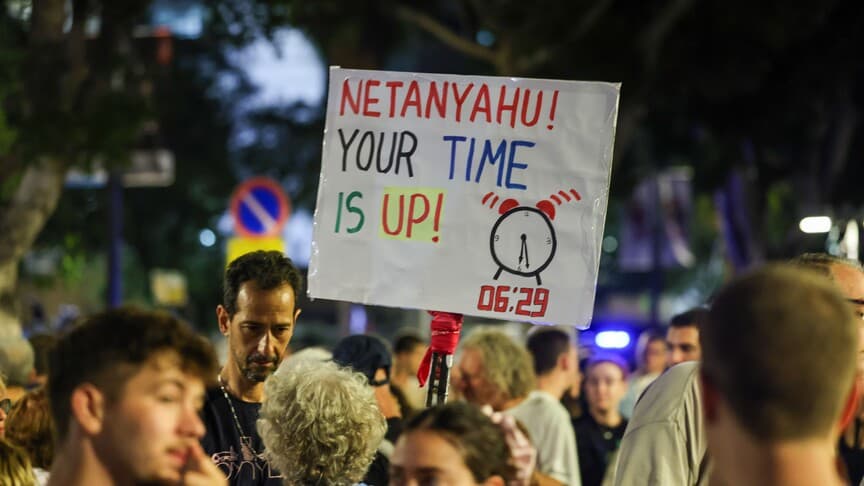
According to Israeli media reports, the decision came as a surprise: the state broadcaster KAN reported that the defense ministry and the army were surprised by Trump's statement, and Channel 12 reported that Israel's finance ministry did not know about Washington's intention before the announcement. According to Channel 12, the annual $3.8 billion was seen as an important source of funding for the 2027 and 2028 defense budgets. Netanyahu's office did not comment on the statement. The leader of the 'Israel Democrats' party, Yair Golan, blamed the prime minister for 'a colossal failure', warning that the end of aid would seriously harm the country's security and that Israelis would have to fully pay for defense needs 'at an extremely critical moment.' Netanyahu's main rival, Gadi Eisenkot, called it dangerous that the defense ministry learned of the change from the media, and demanded a change of prime minister. The statement came amid a difficult coalition-building process: after the elections, Netanyahu's bloc holds 53 seats in the 120-seat Knesset, the opposition 48, and the Arab parties 19, with the opposition lacking 61 seats for a majority.
What remains unclear
Trump said the United States is ready to help Israel again if needed, and that Israel is 'prospering' and no longer needs assistance. However, it remains unclear how the announcement aligns with the legally binding memorandum that runs through 2028, and whether it will be formalized as an official decision; the sources contain no confirmation from the Israeli government. The context is further complicated by rising tensions in the Persian Gulf: on the same day, according to a US official, American forces carried out defensive strikes against Iranian targets in the Strait of Hormuz, while Iranian parliament speaker Mohammad Bagher Ghalibaf said Tehran had given Washington a 'firm and rational response.'