The key facts
- Trump announced the end of American aid to Israel by the end of the year, putting it at $4 billion a year
- Israel's Finance Ministry learned of the decision from Trump's statement; the potential budget gap is about 12 billion shekels a year
- Military stockpiles are depleted: over three years, as much ammunition was used as in the previous three decades
Trump's announcement and the reaction in Israel
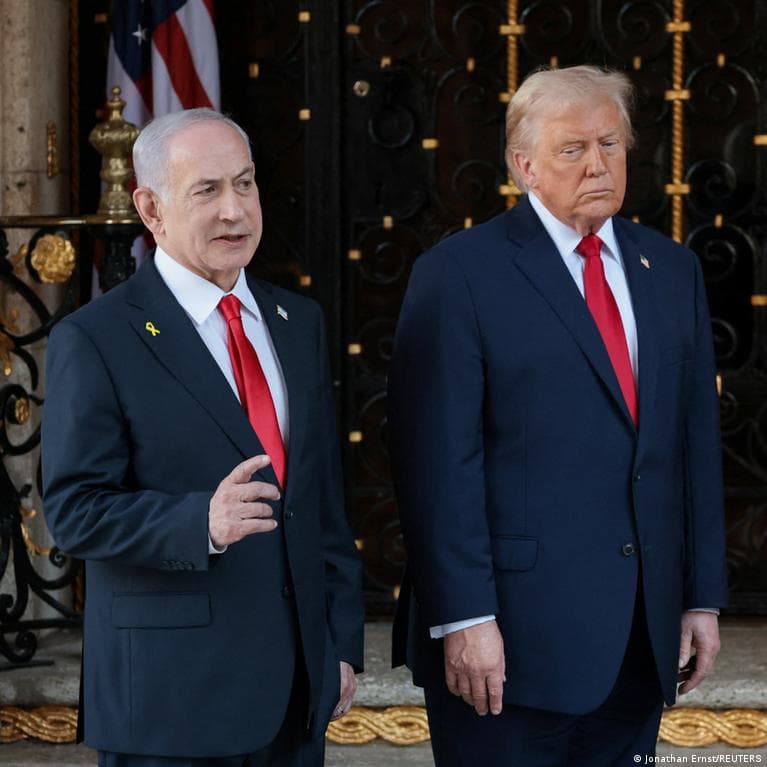
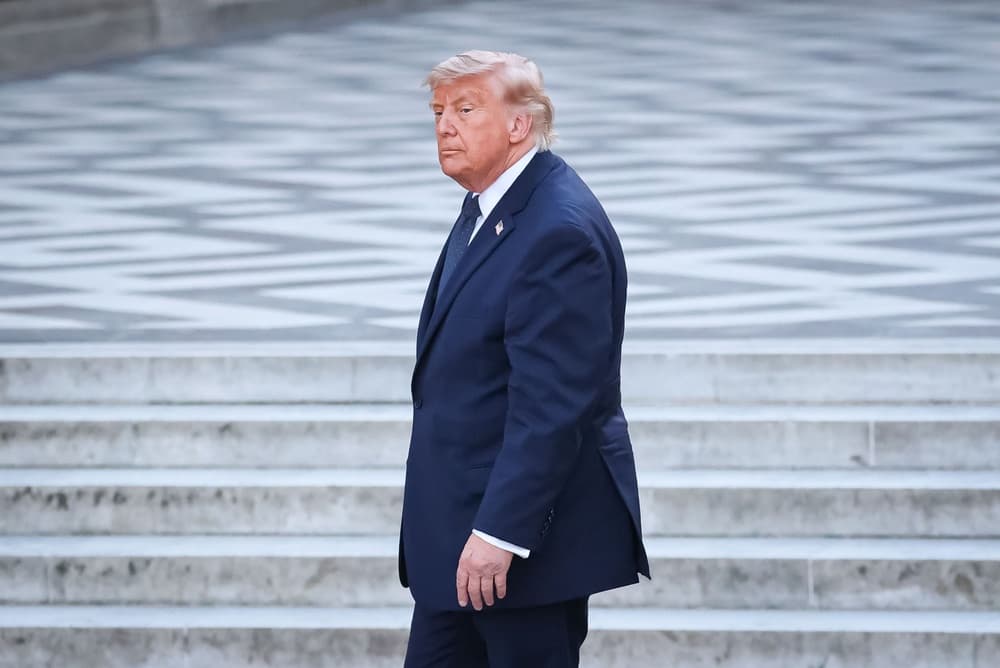
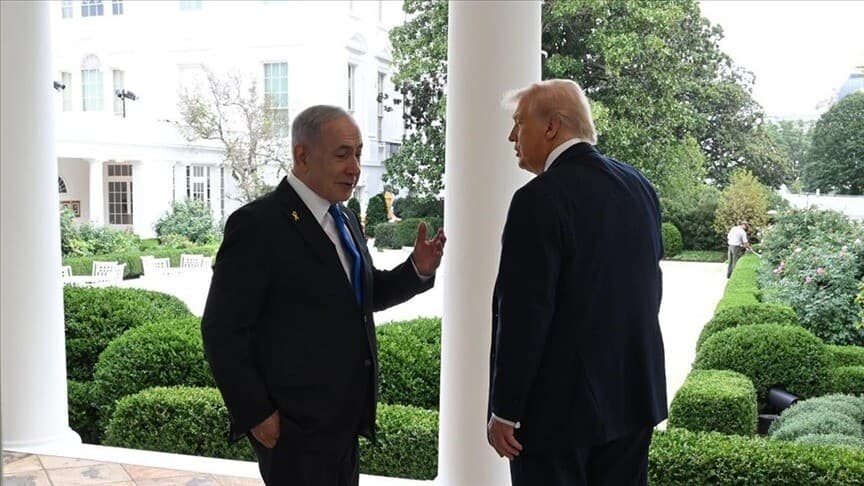
US President Donald Trump said on Fox News on Tuesday that Washington will end aid to Israel by the end of the year. He put annual American aid at $4 billion and said he had reached an agreement on this with Prime Minister Benjamin Netanyahu several months ago: 'We will no longer pay Israel.' According to him, the US will still help Israel if necessary and will continue selling it weapons. Anadolu reports this, citing Israeli media.
The gap in the defense budget and already signed contracts
Israel's Finance Ministry, according to Channel 12, learned of the plan only from Trump's statement, even though the $3.8 billion in annual military aid was supposed to be factored into the 2027 and 2028 defense budgets. A source at the defense establishment, speaking to Israel's public broadcaster KAN, called the announcement unexpected despite ongoing consultations with American counterparts: the relevant bodies have not yet received the actual decision and are assessing its consequences. Notably, as recently as October 20, a delegation from Israel's Defense Ministry traveled to Alabama to discuss future procurement with the command of US Army assistance.
What is known about the scale of stockpile depletion
KAN economic commentator Shaul Amsterdam estimated that if aid ends in January, the defense budget will fall short by about 12 billion shekels ($3.8 billion) a year; the shortfall could be closed through tax increases, spending cuts, or accelerated growth in tax revenues, with tax hikes in his view the most likely option. Officials familiar with the talks with Washington, according to Channel 12, are trying to determine from what funds, and in what currency, to pay for fighter jets under already signed contracts, as well as whether Trump's statement means funding stops at the end of the year or a gradual transition to a different model of defense cooperation. The consequences for the 2016 memorandum under which the US pledged $38 billion through 2028, and for the negotiations on a new agreement that began in May, are also unclear.
The strain of three years of war
The Maariv newspaper provides data on the state of Israeli equipment: over the past three years, the air force flew as many hours as it would have flown in nine years of peacetime, which increased aircraft wear and maintenance needs; tanks and armored vehicles went through thousands of engines over the same period. As much ammunition was expended in three years as in the three decades preceding the war. According to the newspaper, the end of American funding will make it harder to replenish these stockpiles and will raise the cost of already agreed purchases — and it is precisely at the intersection of these two factors, the budget deficit and depleted arsenals, that the uncertainty which Israeli agencies still have to calculate is taking shape.