The key facts
- Trump said that, under an agreement with Netanyahu, the US will stop paying Israel about $4 billion a year by the end of 2026
- The current military aid memorandum runs until September 2028; Trump gave no details on how it would be ended early
- The statement was made on election day and drew criticism from opposition figure Gadi Eisenkot
Trump's statement on ending aid
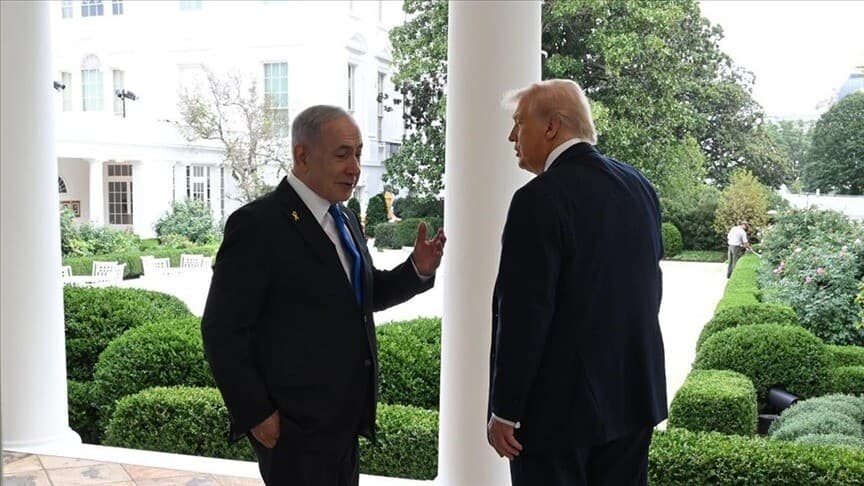
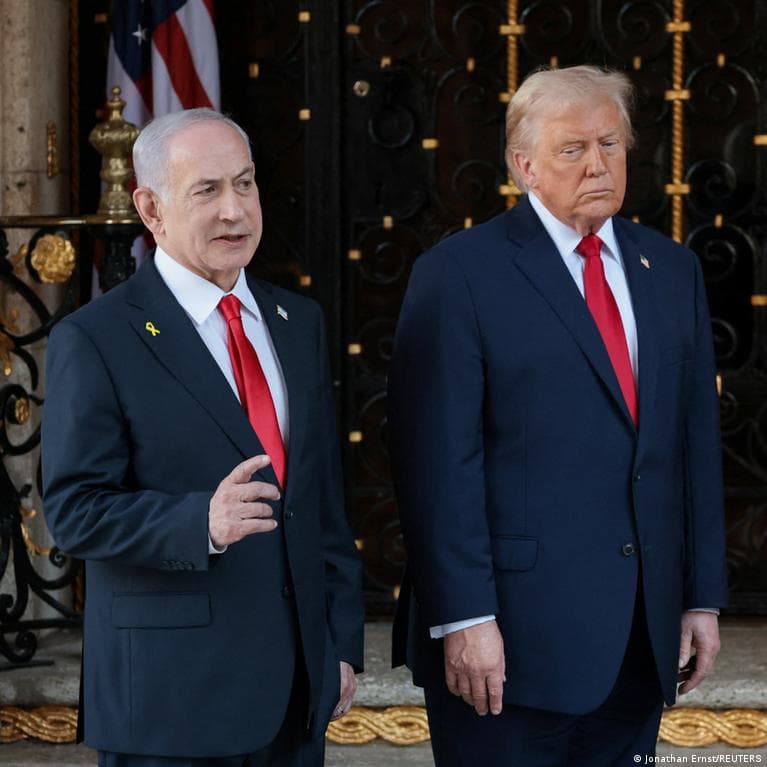
US President Donald Trump, on Tuesday, November 3, in an interview with the conservative channel Fox News, stated that the United States will end its annual military aid to Israel, worth nearly $4 billion (€3.5 billion), by the end of 2026. According to him, the corresponding agreement with Israeli Prime Minister Benjamin Netanyahu was reached several months ago, and Israel is 'not against' such a decision. 'We have already agreed that by the end of the year we will not be paying Israel. Now we will help Israel if it is needed,' Trump said, adding that Israel will still be able to buy American weapons 'at any time.' According to him, Israel 'no longer needs' aid, even though the US gives it more than anyone else.
Contradiction with the existing agreement
The statement contradicts existing arrangements: the US provides Israel with $3.8 billion per year under a 10-year military aid agreement signed by Barack Obama and in effect since 2019. The Memorandum of Understanding runs until September 2028. In the interview, Trump did not explain exactly how the aid would be ended early. Earlier, Netanyahu himself had spoken of a desire to reduce dependence on American military support: in June he said that, while deeply valuing the support of 'American friends,' Israel 'needs to free itself from dependence and build its own independent network of armaments.'
Reaction of the Israeli opposition
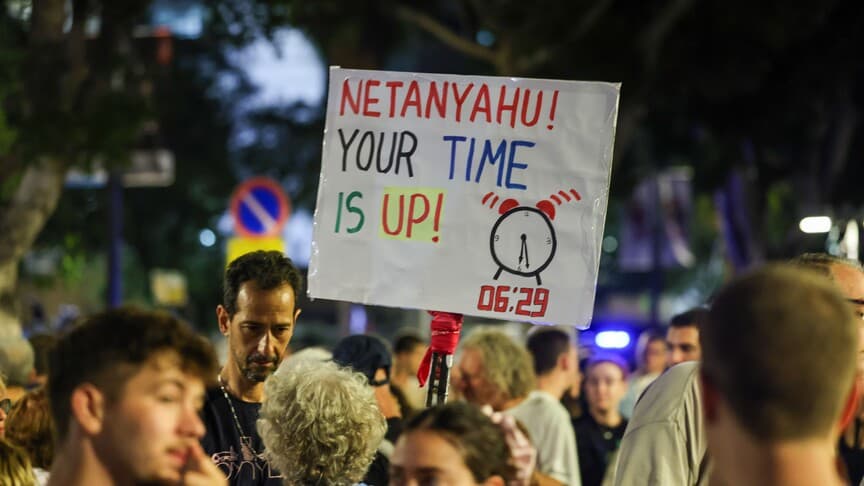
The statement drew sharp criticism from the leader of the Israeli opposition, Gadi Eisenkot, who is fighting to form a coalitioncapable of challenging Netanyahu for the post of prime minister. According to him, the fact that Israel's defense ministry learned of the change in strategic relations through the media, at the same time as the Israeli public, shows 'how dangerous Benjamin Netanyahu's behavior is.' 'He can no longer be trusted, and he must be replaced,' Eisenkot said in a post on X.
Electoral context and public opinion
The statement came on the day of the US midterm elections, which are seen as a referendum on Trump's second term and at which the Republican Party could lose control of Congress. Trump acknowledged that the decision is partly aimed at neutralizing the 'bad argument' of left-wing Democrats who criticize aid to Israel amid rising prices within the US. Unconditional support for Israel, which for decades remained a rare subject of bipartisan consensus, is becoming increasingly unpopular among Americans, especially after the Israeli military operation in Gaza launched in response to the Hamas attack in October 2023. According to a June Quinnipiac University poll, 48% of all voters and 66% of Democrats believe the US supports Israel too much — compared with 16% and 20% in 2017. A Pew Research Center poll in March of last year showed that 53% of Americans view Israel unfavorably, compared with 42% in 2022.
Statement on the strike on Iran
In the same interview, Trump confirmed that American forces had carried out a 'minor' strike on an Iranian air defense facility the night before. 'They built an air defense facility... As soon as it was completed, we struck it last night,' the president said. According to the report, the war with Iran, which the US is waging together with Israel, has led to rising gasoline prices in the US and a sharp drop in Trump's approval rating. John Alterman of the Washington-based think tank CSIS, in a comment to Reuters, called the timing of the statements 'strange': why the president announced this on election day and amid speculation that a major joint US-Israeli strike on Iran could take place in the coming days.