The key facts
- The search for an EU representative for a possible Trump–Putin–Zelensky summit exposed the problem of public legitimacy of European leaders
- The search for an EU representative for a possible Trump–Putin–Zelensky summit has exposed the problem of public legitimacy of European leaders
- In most EU countries preferential votes rarely change party lists; six countries, including Germany, France and Spain, use closed lists
- A reform of transnational lists, backed by the European Parliament in 2022, is blocked at the level of national governments
- A reform on transnational lists, backed by the European Parliament in 2022, has been blocked at the level of national governments
The search for 'Europe's voice' and a systemic problem
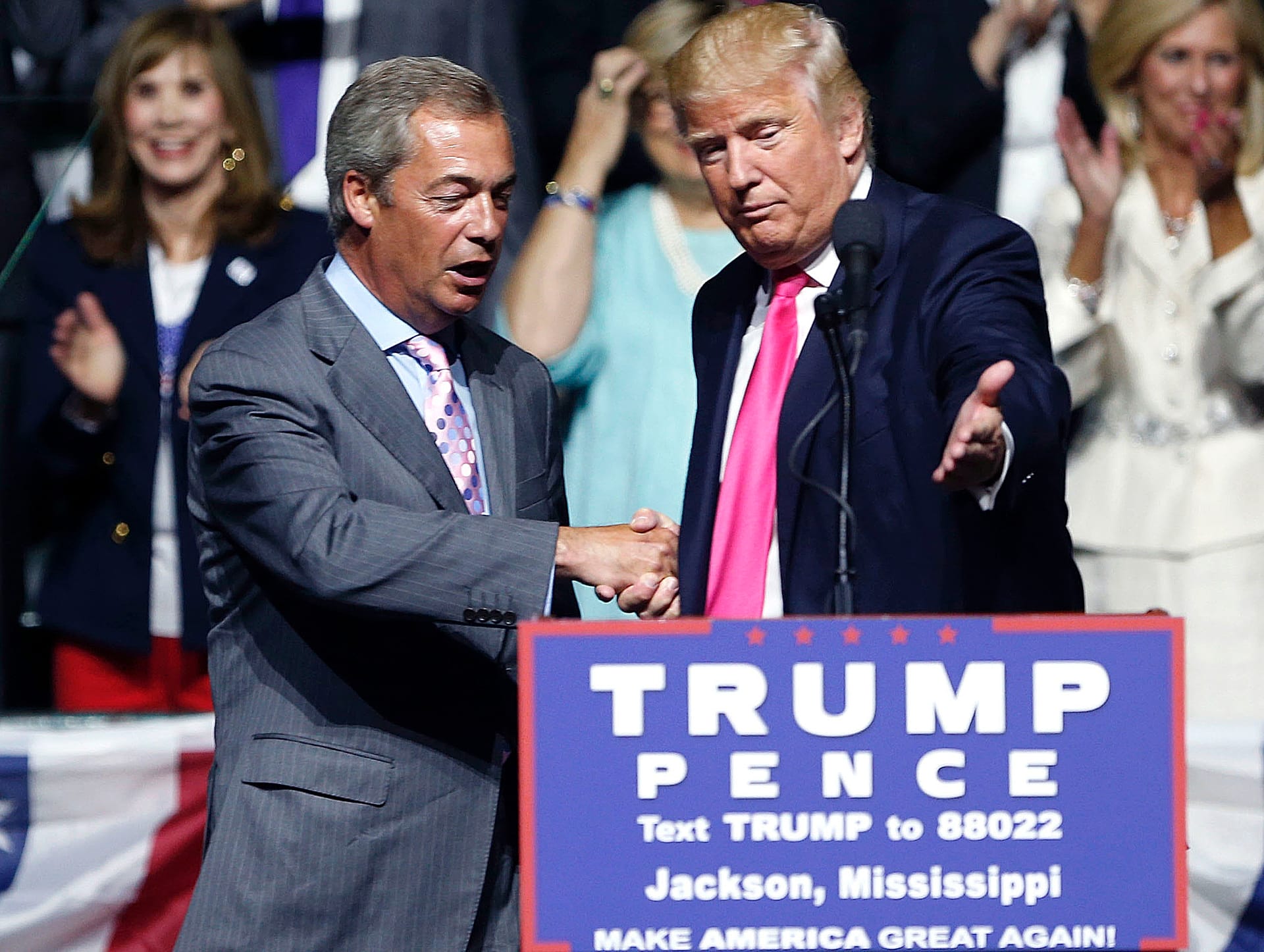
When Steve Witkoff flew to Russia this month to offer Vladimir Putin a summit with Donald Trump and Volodymyr Zelensky, Europe faced the task of finding someone who could speak on its behalf at possible negotiations. The column's authors named Czech President Petr Pavel and Finland's Alexander Stubb as the most likely figures — both of whose mandates rest on direct national elections. On this example, the Euronews publication builds a broader thesis: in the US, politicians rise by persuading voters, whereas mainstream European leaders are mostly promoted by party insiders, creating a 'deficit of public leadership' while the political stage is occupied by populists skilled at communicating with the masses.
How the lists work: figures by country
The authors cite data illustrating the limited influence voters have on the composition of candidate lists. Italy's new electoral law, adopted on 8 October after Giorgia Meloni threatened to resign, allows voters to choose some names, but the top of the lists remains locked. In Belgium, only 3.4% of Flemish MPs elected between 1987 and 2014 won their mandate by changing the order of the party list; in the Netherlands, in the 2023 elections only one candidate got in solely through preferential votes; in Poland, in the 2015 elections about 82% of seats went to those whom the parties placed at the top of their lists. In European Parliament elections, six countries, including Germany, France and Spain, use closed lists.
Populists and exceptions
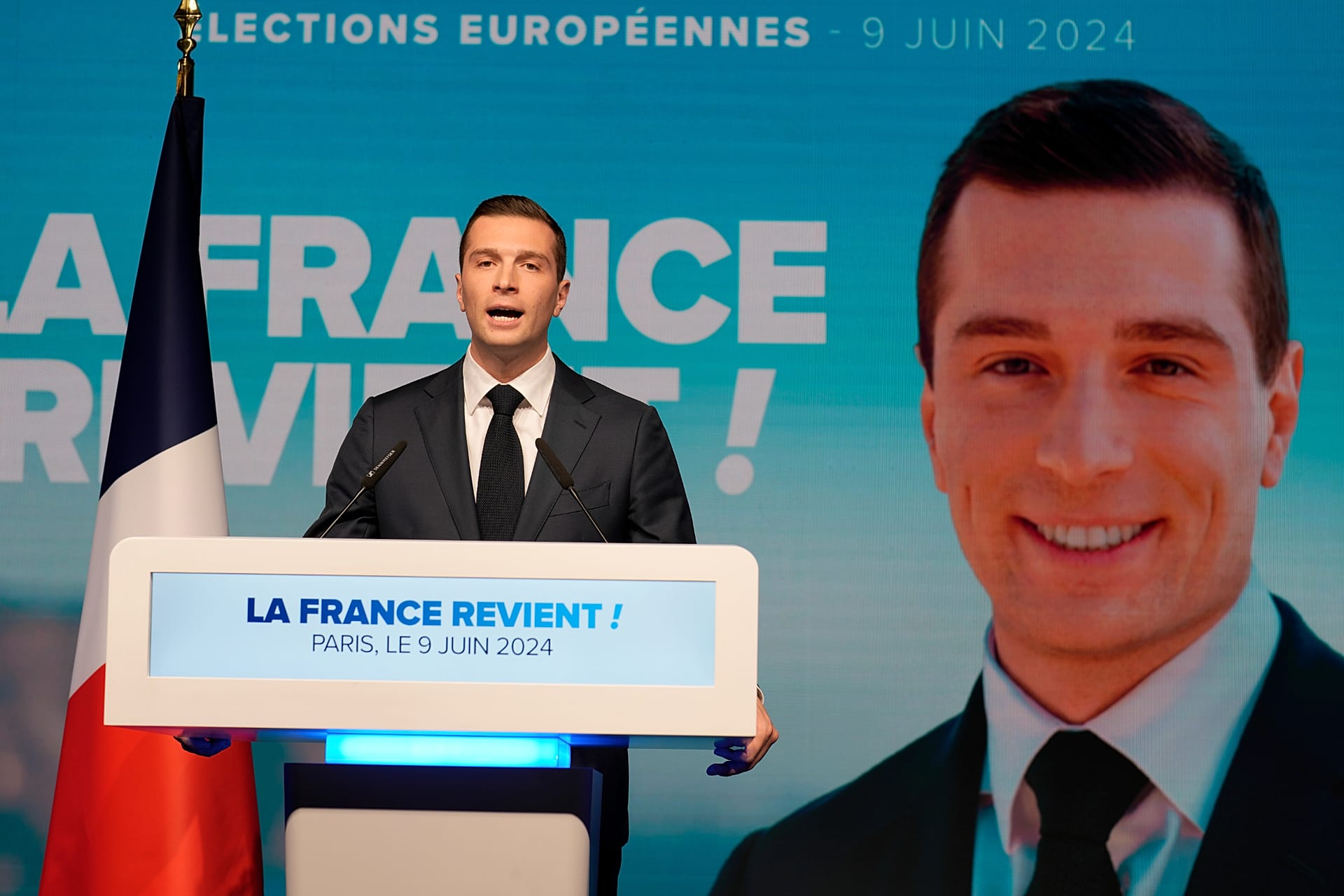
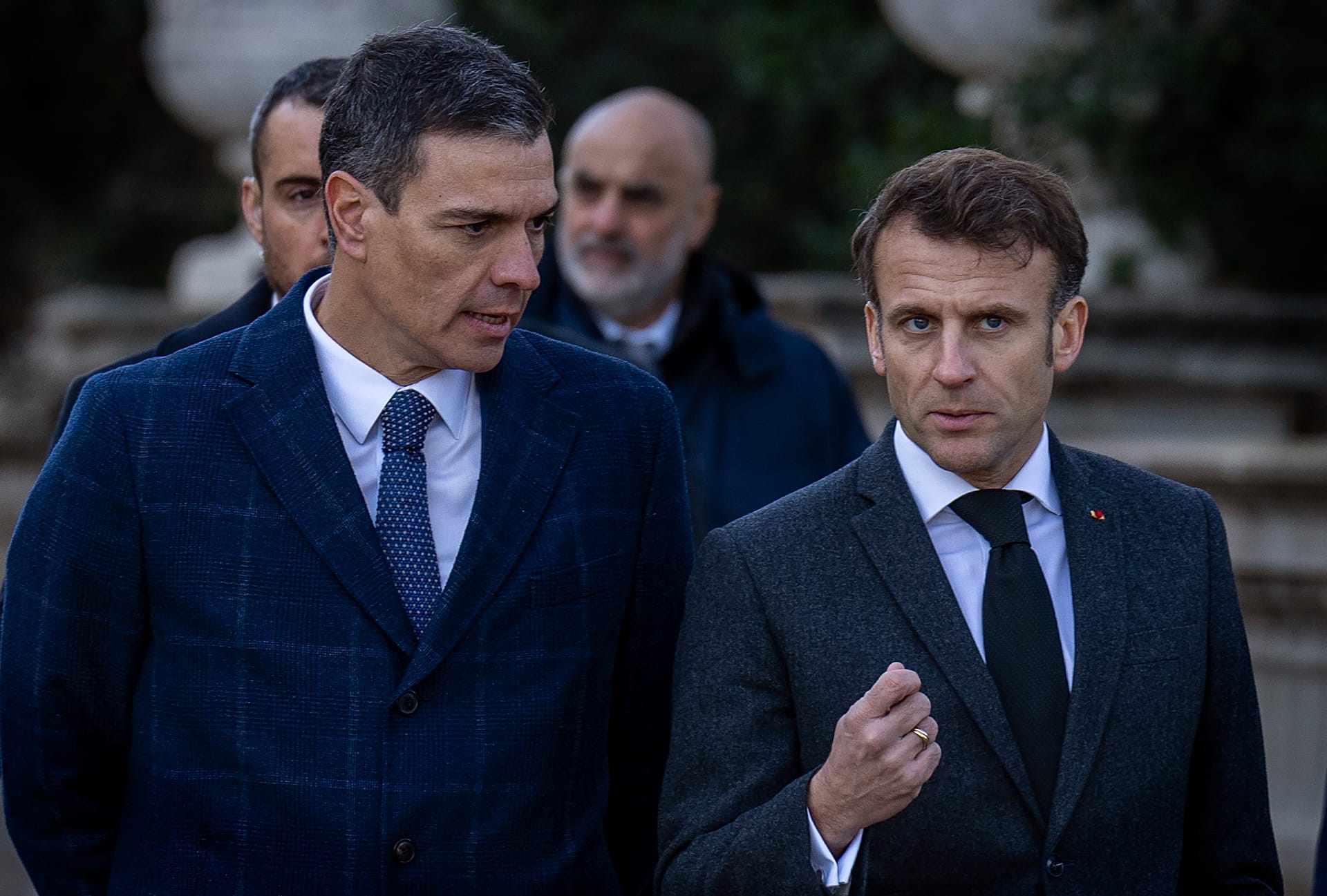
According to the authors, populist parties build their campaigns around one or two figures: in 2024, the AfD for the first time in its history named a candidate for chancellor — Alice Weidel, while the National Rally ran its European campaign around Jordan Bardella, the most popular MEP on TikTok. In last year's Dutch elections, almost 95% of Wilders's voters voted for him personally, compared with 68% for the D66 leader and less than half for the leaders of the liberals and the left-green coalition. The authors name Emmanuel Macron and Pedro Sánchez, who regained leadership of the Socialist Party through the 2017 primaries, as exceptions among the mainstream. Sánchez faces snap elections on 29 November, and if he loses, with Macron's term ending, Europe will lose both.
The Brussels level and blocked reforms
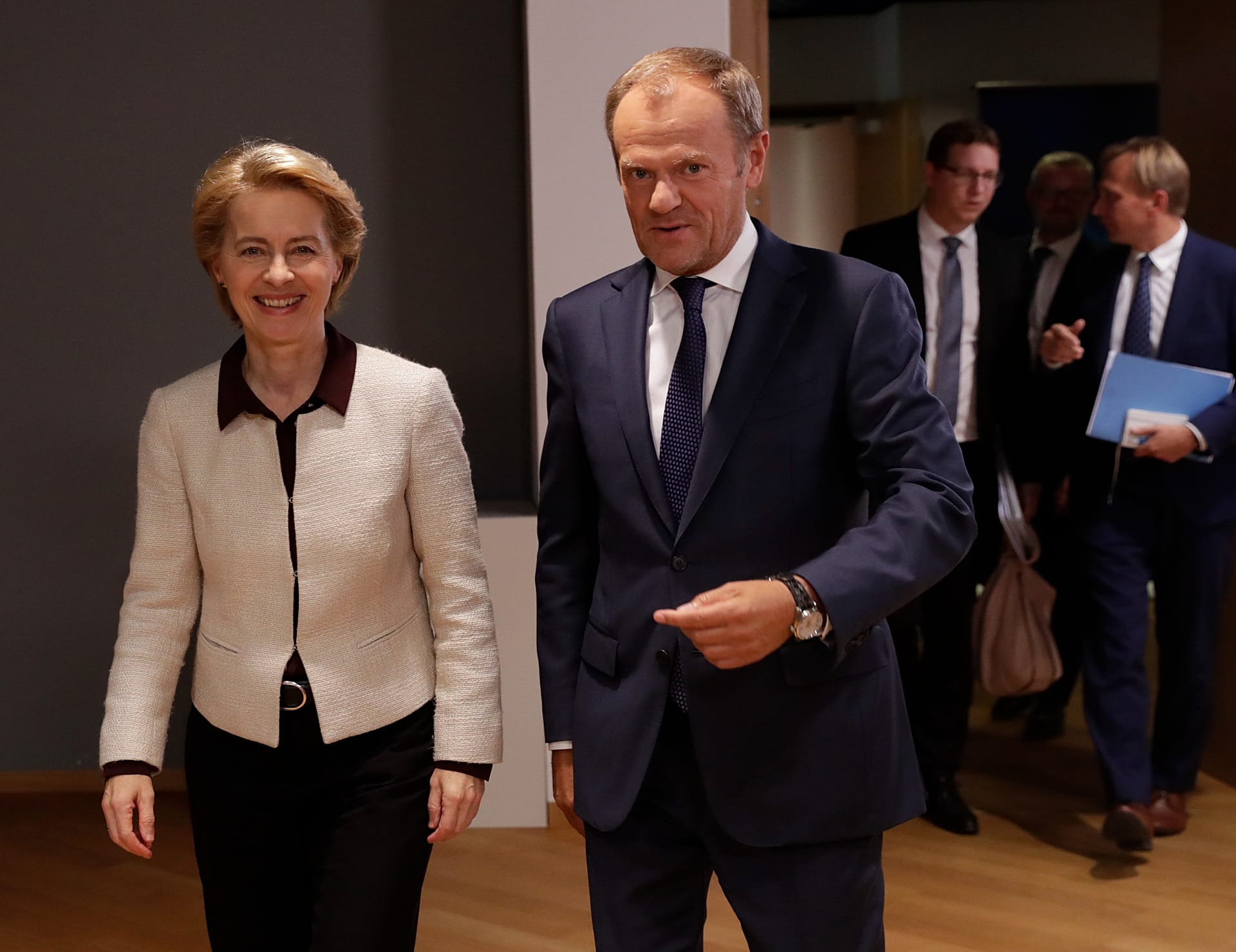
At the European level, the authors note, the gap is even wider: key posts are distributed in negotiations among national governments. Ursula von der Leyen lost constituency elections in Hanover three times (2009, 2013, 2017), keeping her Bundestag seat thanks to a regional list, and took charge of the European Commission in 2019 without having taken part in that year's European elections. The proposal for transnational electoral lists, backed by the European Parliament in 2022, remains blocked among national governments, as does a mandatory 'Spitzenkandidaten' procedure linking the post of European Commission president to election results. The authors propose making lists genuinely competitive and introducing transnational lists, but stress that this guarantees neither charismatic leaders nor mainstream success.