The key facts
- Prime Minister Koretsky allows only temporary transitional measures on agricultural exports when joining the EU
- In October, the European Commission proposed permanently excluding wheat and other grains from the single market
- Ukraine joined the group of negotiation “leaders” together with Montenegro, Albania and Moldova; on 4 November the EC will publish a roadmap for them
Kyiv has drawn a red line in negotiations with Brussels
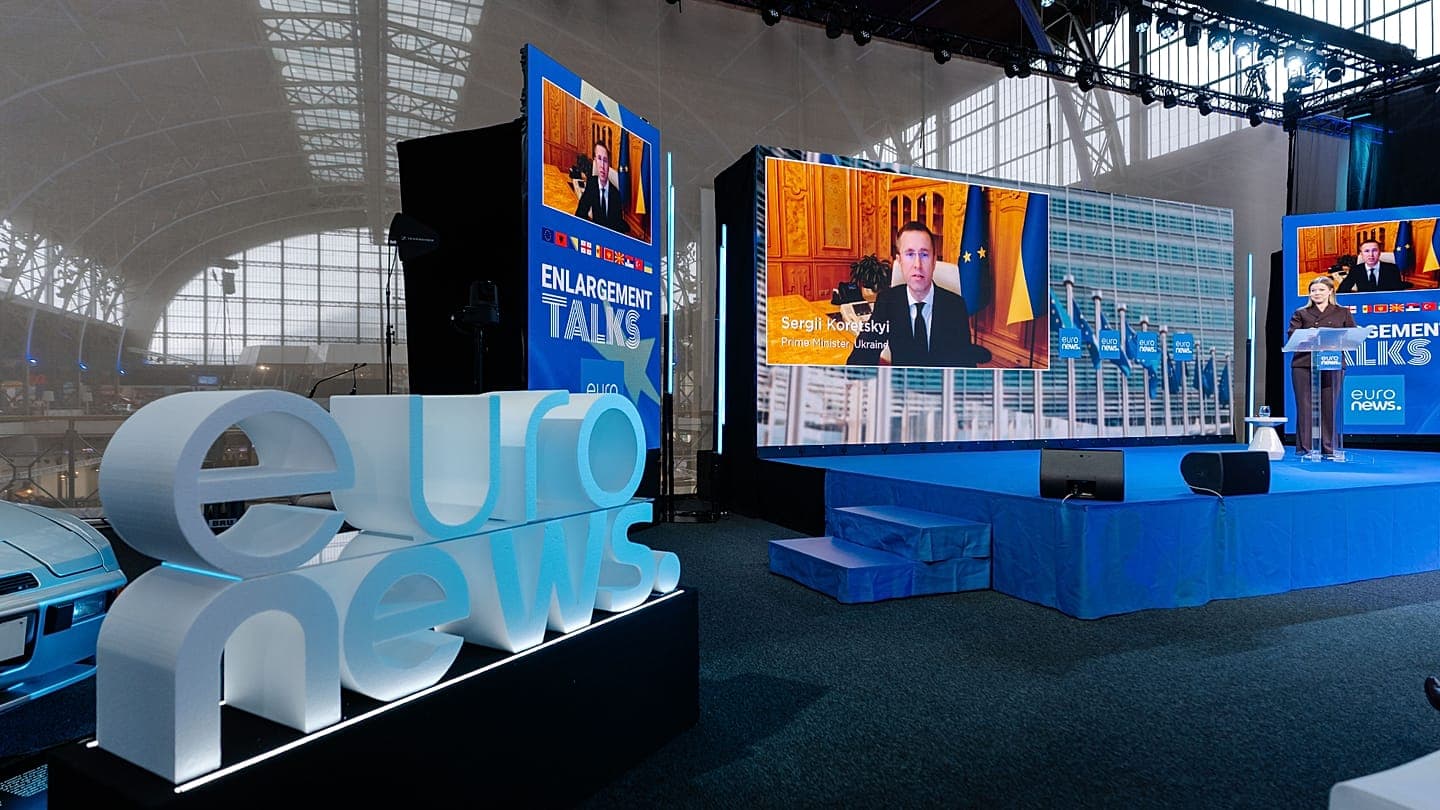
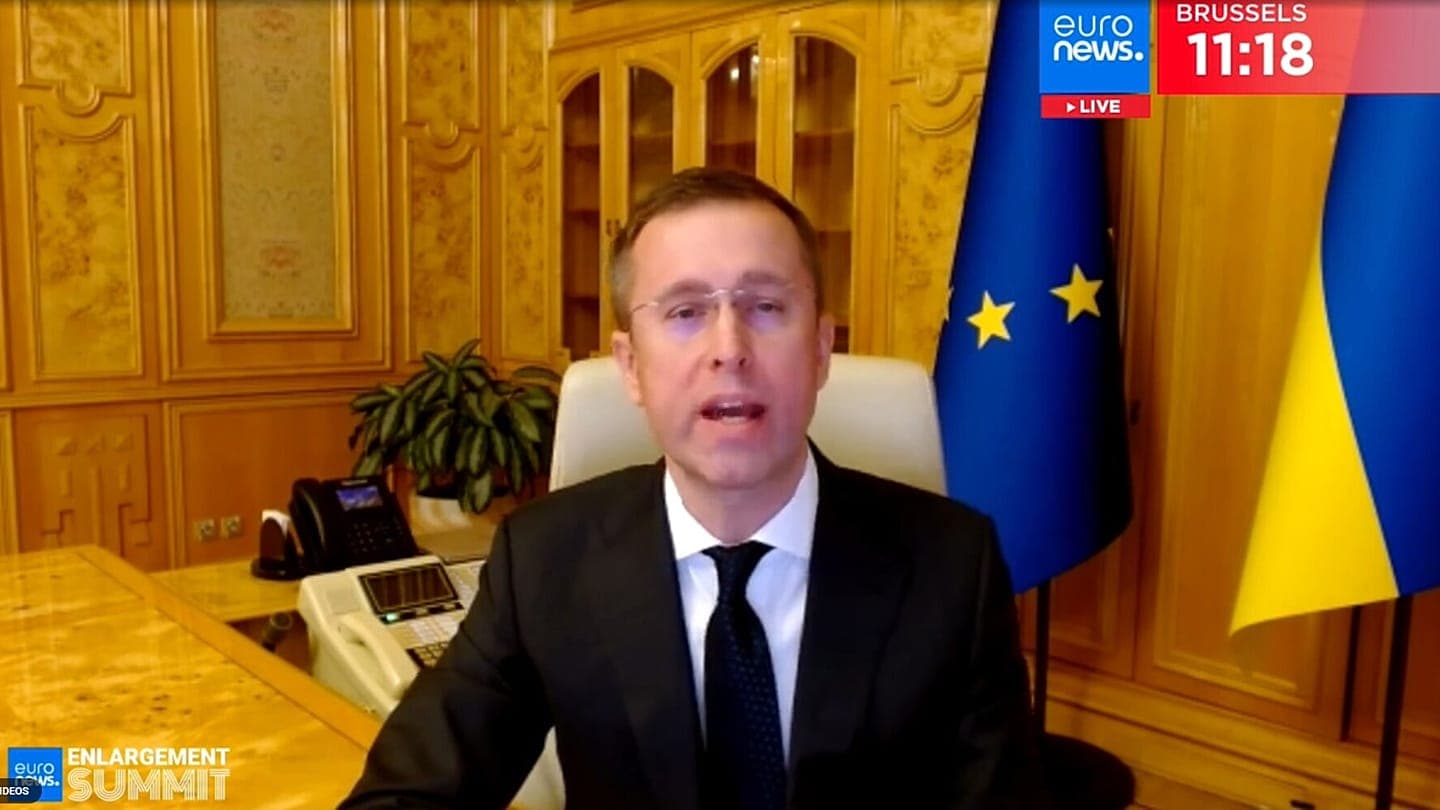
Ukraine is ready to discuss temporary restrictions on agricultural exports after joining the European Union, but opposes making them permanent. This was stated at the Euronews enlargement summit by Ukrainian Prime Minister Sergiy Koretsky. Euronews quotes him as saying: “We understand the concerns of European farmers and are ready for an open, practical discussion. Transitional measures can be part of enlargement, but they must address specific risks, be proportionate, and have clear conditions for review and exit.”
The essence of the dispute: grain and the single market
The conflict had been brewing in advance: in October, under pressure from a number of member states, the European Commission proposed excluding certain Ukrainian agricultural products, primarily wheat and other grains, from the EU market even after Kyiv becomes a full member of the union. Koretsky called such an option unacceptable: “They cannot become a permanent restriction or a subset of the single market.” He also recalled that Ukrainian farmers will have to invest significant funds in meeting EU food standards while simultaneously recovering from Russian strikes.
Negotiation dynamics and Kyiv's plans
Since Koretsky's appointment as prime minister in July, the negotiation process has accelerated: Kyiv and the European Commission have set up a joint working group to speed up accession, and Ukraine recently joined the group of four enlargement “leaders” alongside Montenegro, Albania and Moldova. On 4 November (Wednesday), the Commission will publish a roadmap with steps towards membership for this group. Koretsky has set the goal of opening all remaining negotiation chapters this year and creating the conditions to close several of them in the first half of 2027, during Lithuania's presidency of the EU Council. “We are not asking for shortcuts. We are asking for credible, merit-based paths with clear milestones and a timely decision once they are reached,” he said. For the prime minister, EU membership is a key motivation to continue the fight against Russia, and Kyiv's accession, in his words, would significantly strengthen the security of the union itself.