The key facts
- The IMO confirmed at least 125 attacks since late February 2026, 34 of them in October
- The real number of attacks may be higher: vessels with false flags and 'dark' ships do not report incidents
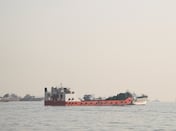
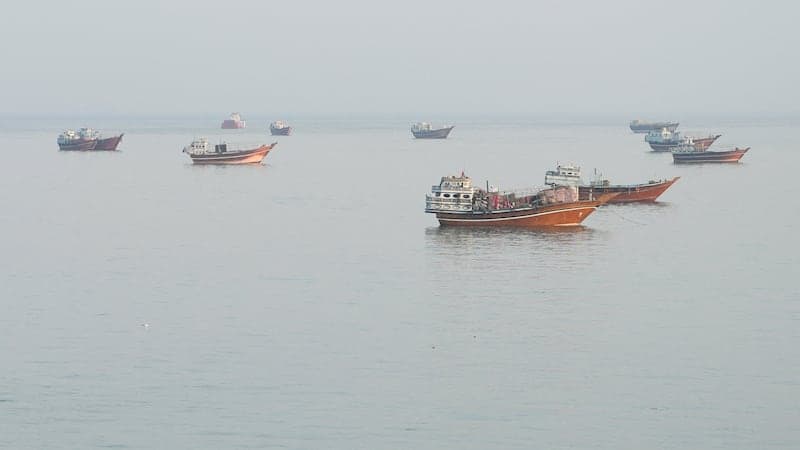
- About 350–400 vessels remain blocked in the Persian Gulf; according to IMO estimates, about 12 vessels pass through the strait daily
Official statistics may understate the scale of attacks
Attacks on vessels transiting the Strait of Hormuz are happening more often than official figures suggest, because some shipowners do not report incidents. This was stated on Monday, November 2, by the Secretary General of the International Maritime Organization, Arsenio Dominguez, at the opening of the annual session of the IMO Council, reports The National. According to the organization, since the start of the war between the United States and Iran in late February, at least 125 vessels have been attacked in the strait and adjacent waters, and the pace of incidents is rising: 34 attacks were recorded in October — the highest monthly level since the war began.
Why the 'shadow' fleet does not appear in the statistics
Dominguez explained the undercounting by the peculiarities of the 'shadow' fleet: vessels sailing under false flags or with fraudulent registration, as a rule, do not declare attacks. An additional difficulty is created by the growing number of tankers 'going dark' — switching off their automatic identification system (AIS). 'Mostly these are those who hide themselves, and vessels with fraudulent registries and false flags,' he said. Information about attacks, in his words, is often confirmed when neighboring countries are called in to assist the stricken vessel.
Security of the strait and blocked vessels
Dominguez could not confirm reports that shipping lanes had been demined. Last week, the commander of US Central Command, Admiral Brad Cooper, said the main routes in the strait were free of mines, which contradicts Iranian statements. 'There is no confirmation that there are no mines in the region, so I cannot guarantee safety. That is exactly why we do not recommend anyone to transit the Strait of Hormuz,' the head of the IMO emphasized. In his assessment, between 350 and 400 vessels remain blocked in the Persian Gulf since the start of the war, while about 12 vessels a day still pass through the strait despite IMO warnings. The resumption of Houthi attacks on vessels linked to Saudi Arabia in the Bab el-Mandeb Strait has also led to a rise in piracy off the coasts of Somalia and Aden: in 2026, the IMO recorded four Houthi attacks on commercial vessels and 19 confirmed pirate attacks in the Gulf of Aden and the western Indian Ocean.
The Iranian-Omani 'voluntary contributions' project
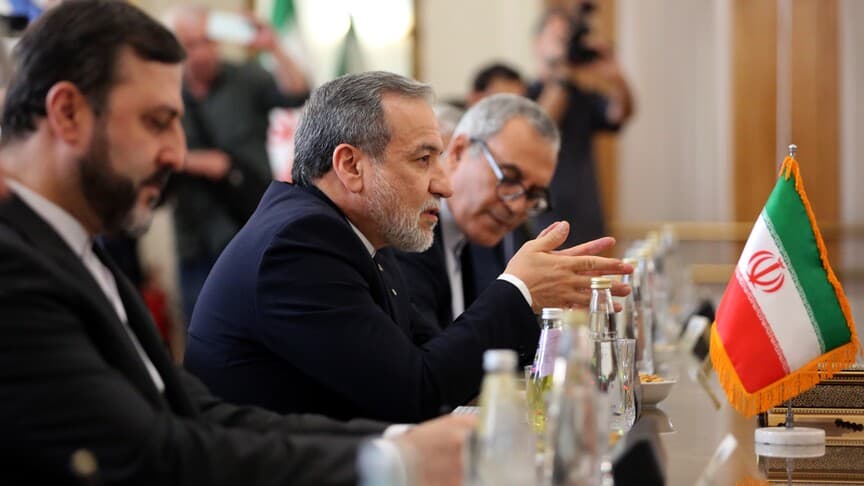
The IMO rejected Iran's demand to introduce a fee for passage through the strait, but Dominguez, answering a question from The National, supported the alternative option being worked out by Iran and Oman — 'voluntary contributions' from shipping companies for passage, modeled on a similar scheme in the Strait of Malacca to protect against piracy. He called such a scheme 'potentially viable' and not contrary to maritime law, but stressed that there are no official outcomes of the negotiations yet, and that in any case the decision must be made by IMO member states.