The key facts
- Of ~250,000 long-term foreign residents, 36,000 have work permits, and another 24,000 are students
- 80% of foreigners with permits are employed in construction, building materials production, textiles and services, often in low-skilled jobs
- Ordered to launch a platform for monitoring foreigners' places of residence and work within a month
Meeting on labor migration: scale and the task set
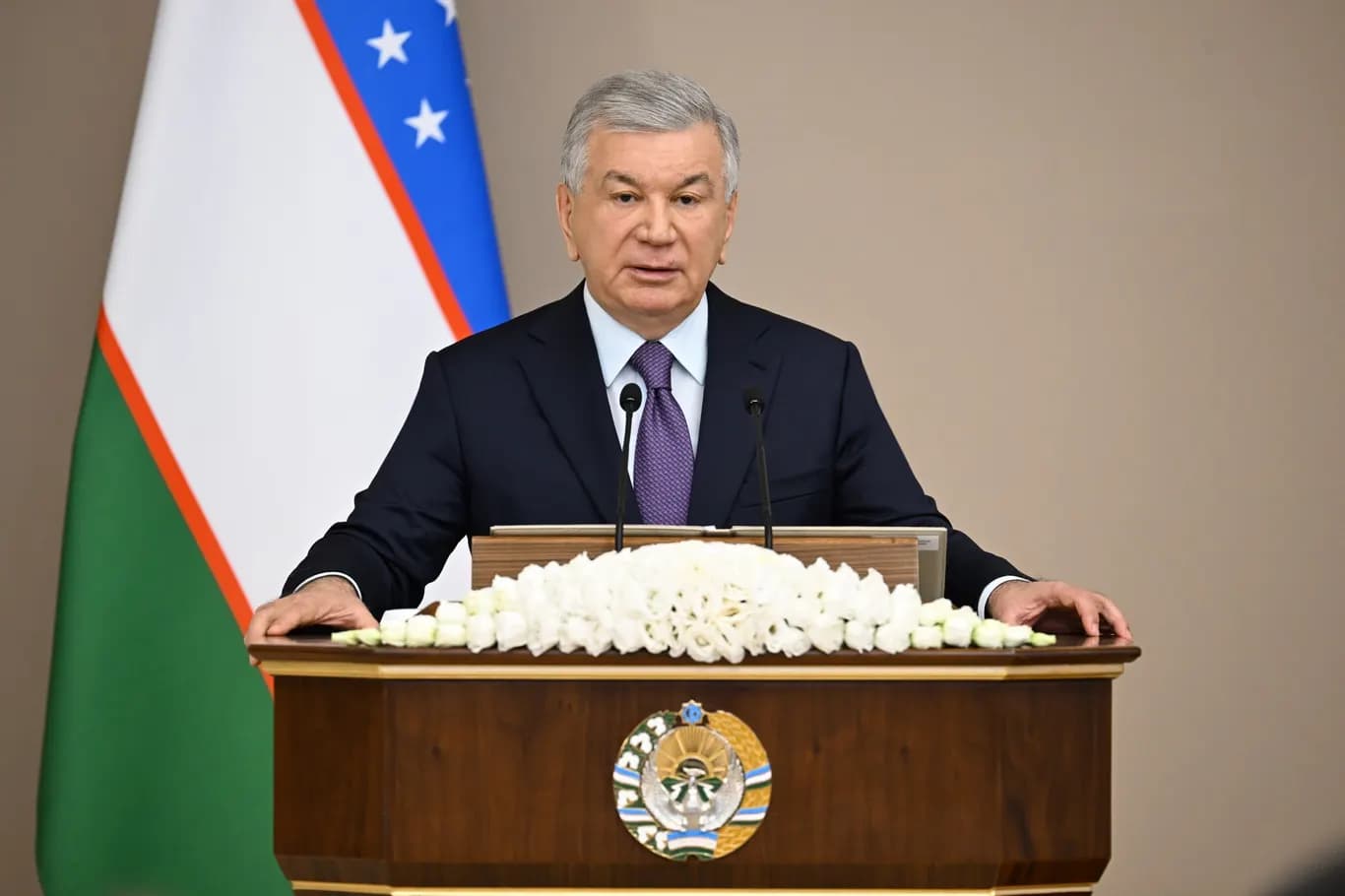
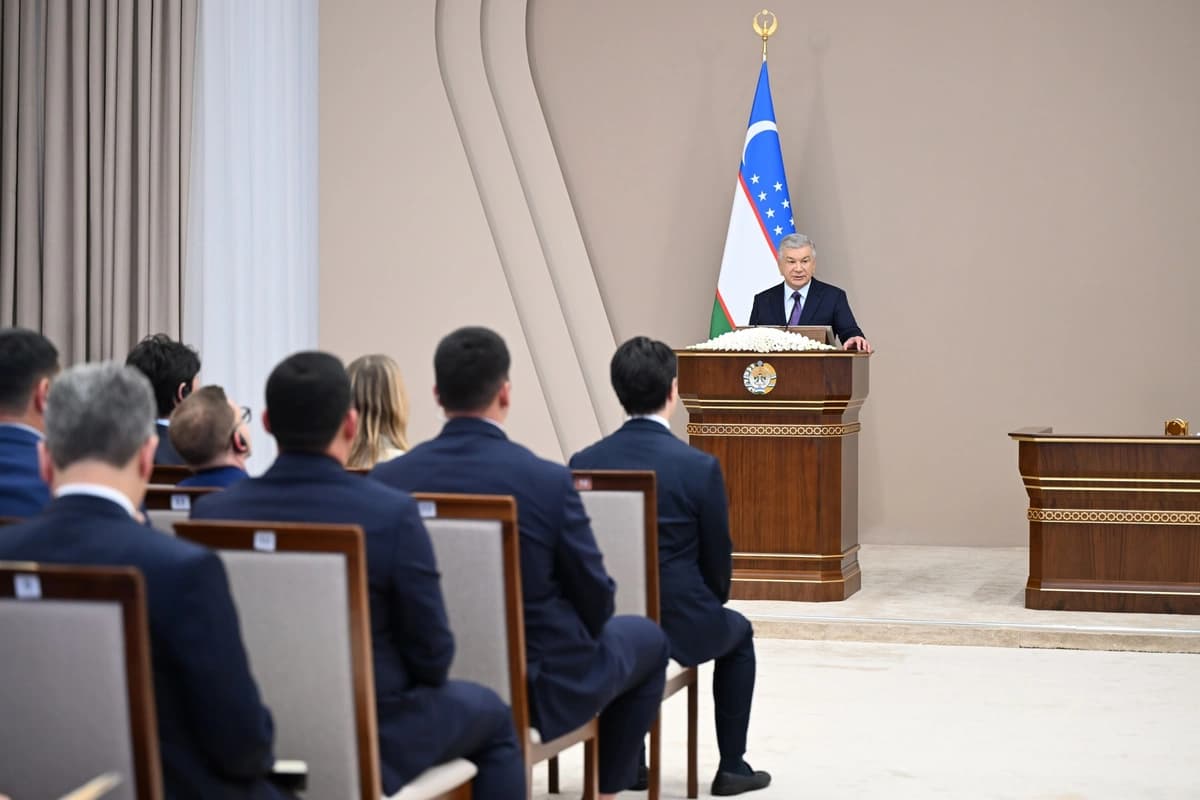
On November 2, President of Uzbekistan Shavkat Mirziyoyev held a meeting on labor migration issues, at which he raised the question of regulating the employment of foreign citizens residing in the country for extended periods. Gazeta reports this citing its correspondent. According to data presented at the meeting, the number of foreigners living in Uzbekistan for a long term is approaching 250,000 people — the country is becoming increasingly attractive to them against the backdrop of economic growth and rising living standards. At the same time, only 36,000 of them have work permits, and another 24,000 are students. “We will continue our policy of openness in this direction as well. At the same time, there must be order and discipline here,” the president said.
Shadow employment and priority for local workers
The head of state drew attention to the likely scale of informal employment of foreigners: according to him, most of them declare a salary of 2 million soums, and if their activity were brought out of the shadows, the budget would receive an additional 1.5 trillion soums. He posed a rhetorical question to the tax authorities: “What are the tax authorities looking at?” According to data presented to the president, 80% of foreigners with work permits are employed in construction, building materials production, the textile industry and the service sector, with a significant share performing work that does not require high qualifications. Mirziyoyev emphasized that protecting one's own labor market is a common practice even in developed European countries, and called for prioritizing the employment of Uzbek citizens when creating new jobs, while maintaining the course toward openness.
Monitoring platform and how permit processing works
The president instructed the responsible agencies to launch, within a month, a platform for monitoring the places of residence and work of foreigners who have arrived for a long term — the system should provide fuller information on their employment and sources of income. This continues a topic raised earlier: in April 2026, at a presentation on migration issues it was reported that plans were underway to create a Migration Control Service, since, according to the authorities, many foreigners work without permits, entering the country merely on a visa, and regional centers for training migrants with language and vocational instruction will be established. For those who arrange employment legally, the current procedure is as follows: under the Law “On Employment of the Population” and the Labor Code, those arriving for employment generally need confirmation of the right to work, which is issued by the Migration Agency; an application can be submitted through the Unified Portal of Interactive Government Services, submitting a draft employment contract with the salary, information about the employer, qualification documents and a passport. When reviewing an application, the expediency of hiring a foreigner is assessed, including whether domestic specialists are available for the vacancy. Qualified specialists receive confirmation for the term of the contract, but for no more than three years; others receive it for no more than a year with the possibility of extension; certain categories, such as holders of residence permits and some specialists of IT Park resident companies, are exempt from confirmation.