The key facts
- The president proposed teaching Japanese in schools and instructed to select 20 technical colleges that will train specialists according to the requirements of Japan, Germany and South Korea from 2027
- Already in effect are an agreement with JCAEMCE for 10 thousand specialists over five years and a free program with Onodera User Run with a salary of 1500–1600 dollars
- A foreign diploma does not grant the right to work as a nurse in Japan: a national exam and a local license are required
Directives on labor migration
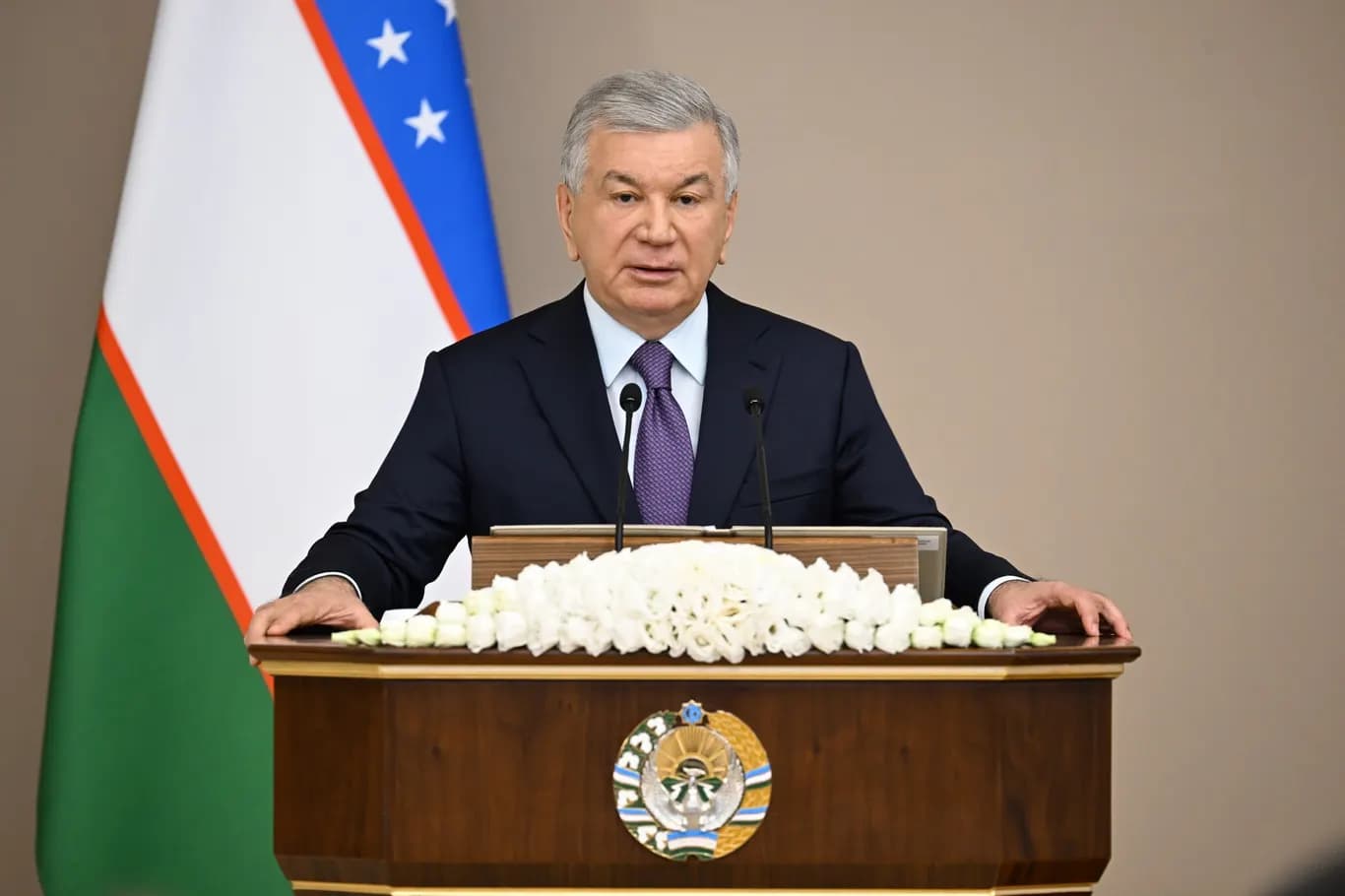
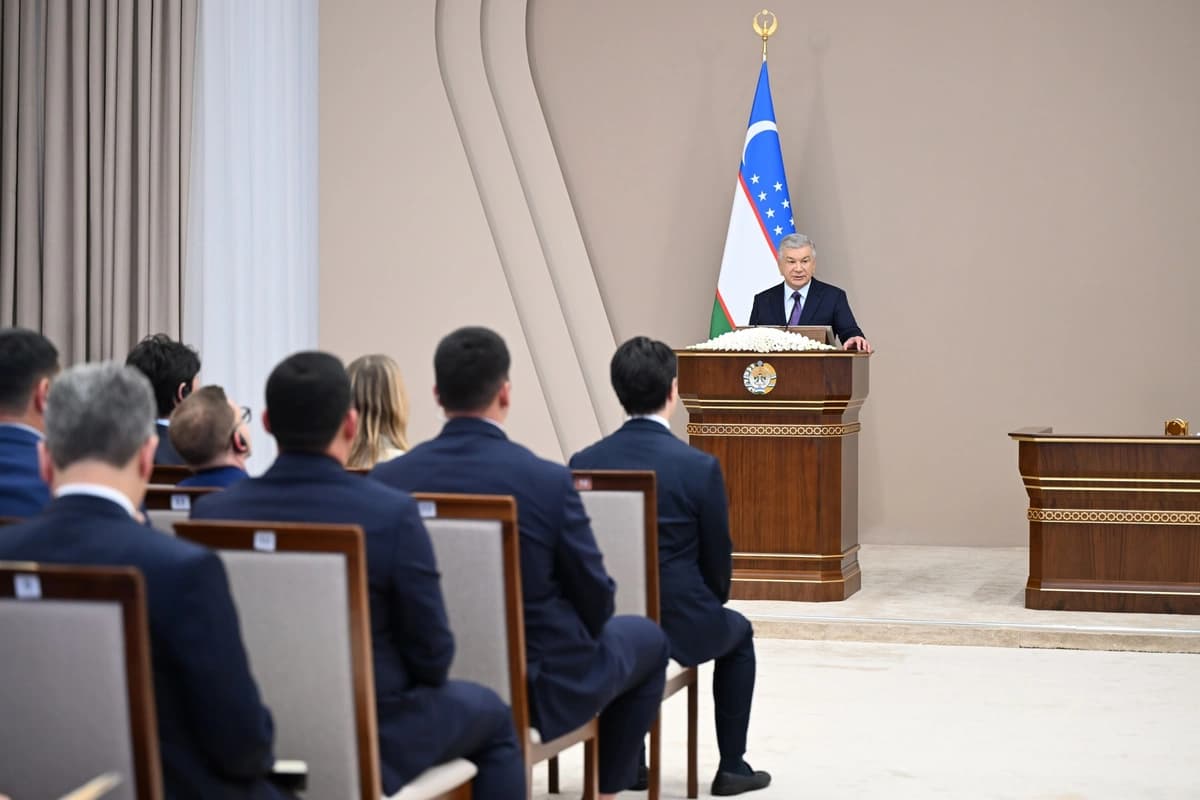
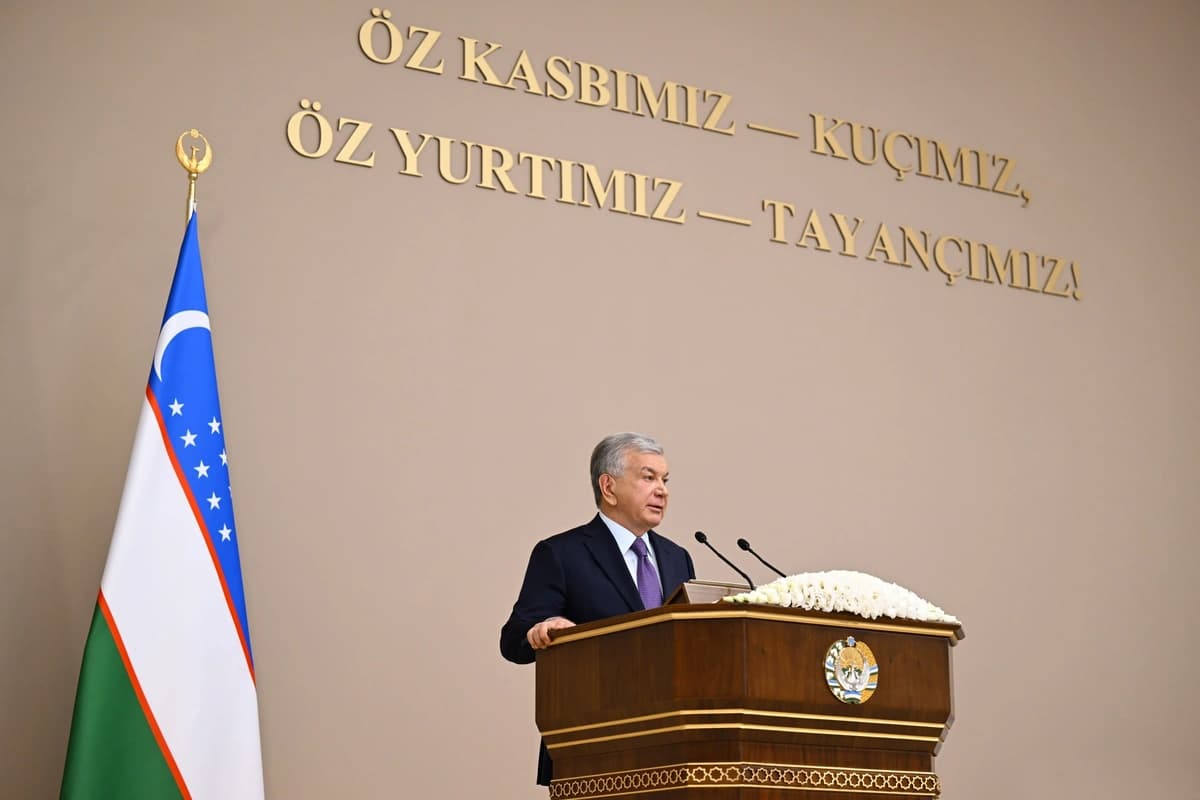
At a meeting on labor migration issues on November 2, President Shavkat Mirziyoyev drew attention to the demand for medical workers in Japan. According to him, the Japanese side is ready to accept as many nurses as Uzbekistan can train, and in this regard he proposed teaching the Japanese language to potential workers starting from school. Gazeta correspondent reports.
Criticism of intermediaries and technical colleges
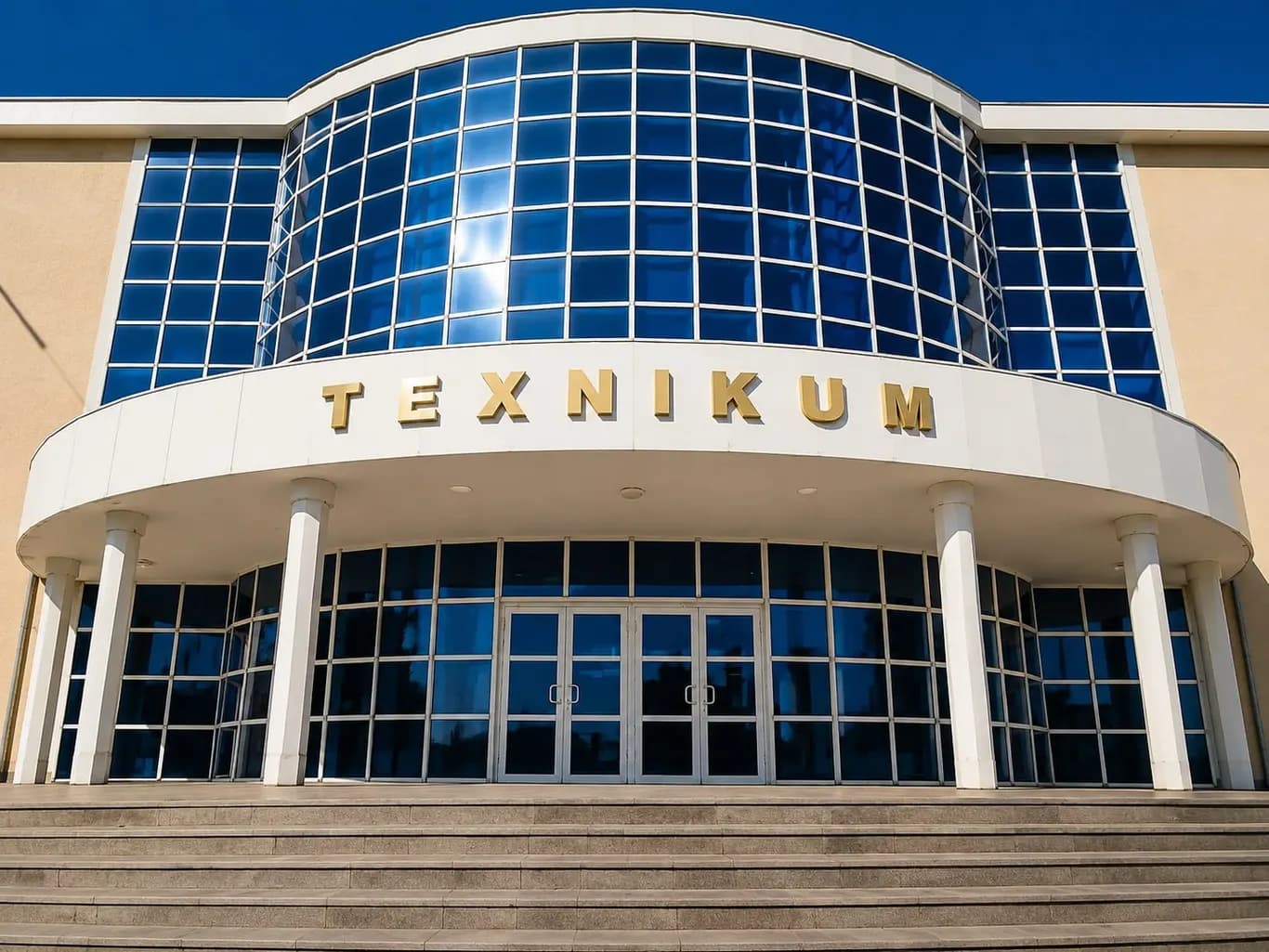
The president noted that many citizens go abroad to work without sufficient preparation and fall into dependence on intermediaries: «People sent abroad have neither language knowledge, nor a profession, nor qualifications». He also criticized technical colleges that occupy large buildings but bring no visible returns, adding that Germany and Japan are ready to develop curricula for the colleges themselves, yet these opportunities are not being used.
Specific directives
Following the meeting, an instruction was given to select 20 technical colleges within a month which, starting in 2027, will train specialists according to the requirements of foreign employers — companies from Japan, Germany and South Korea. Students in grades 9–11 are to be given more attention in foreign languages and vocational training, so that by graduation they know at least one language and have professional skills. In addition, ambassadors will now be responsible for the entire cycle of supporting migrants — from arrival in the country to employment and adaptation.
What is already in place
Cooperation with Japan in organized migration is already underway under the Specified Skilled Worker (SSW) program. In 2025, the Migration Agency signed an agreement with the organization Japan-China-Asia Medical Educational Cultural Exchange (JCAEMCE) on training and employment of 10 thousand Uzbek citizens in Japan over five years; training centers were planned in Tashkent, Samarkand and Namangan. In April 2026, at a presentation to the president it was reported, that Japan needs 15 thousand specialists in construction, logistics and services, and medical colleges in Andijan, Samarkand, Fergana and Tashkent planned courses to prepare nurses for international exams. In August, the agency announced a free program with the company Onodera User Run for citizens aged 18–35 in the fields of caregiving and food service: six months of Japanese language training, free accommodation, visa processing and a starting salary of 1500–1600 dollars per month. According to the agency, at least 576 jobs have been created in projects with Japanese companies, and more than 200 Uzbek citizens worked at facilities of the Shimizu corporation.
What requirements does Japan impose
In Japan, a distinction is made between nurses and caregivers for the elderly and people with disabilities. According to the Japanese Nursing Association, to work specifically as a nurse, a foreign specialist must pass the Japanese national qualification exam and obtain a local license — a foreign diploma alone does not grant this right. For caregiving work under the SSW program, the requirements are different: proof of professional skills, Japanese language at least at JLPT N4 level or an alternative test, as well as a special exam in professional Japanese. Japanese authorities plan to accept up to 135 thousand foreign caregiving specialists over five years, from April 2024 to March 2029 — this is a general figure for all countries, not a quota for Uzbekistan.