The key facts
- The congress in Samarkand brought together health ministers of five countries, the WHO, SIOP and St. Jude
- The congress in Samarkand brought together health ministers of five countries, WHO, SIOP and St. Jude
- One-year survival in Uzbekistan rose to 44.5% for oncological diseases and 42% for hemoblastoses
- The availability of specialized medicines grew from 33% to 88%
- Availability of specialized medicines increased from 33% to 88%
The Congress in Samarkand and its participants
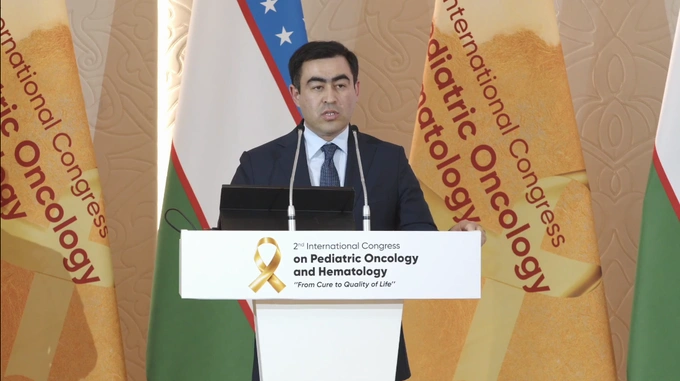
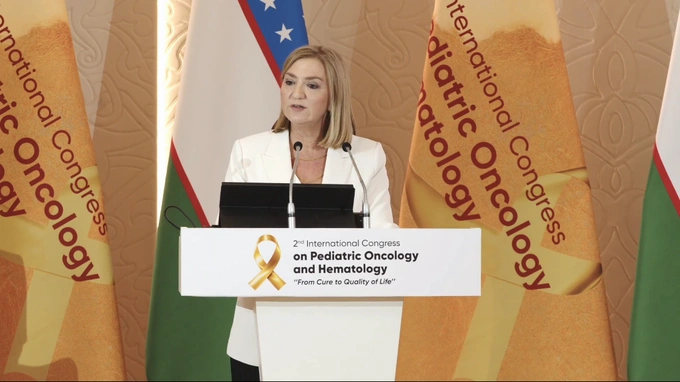
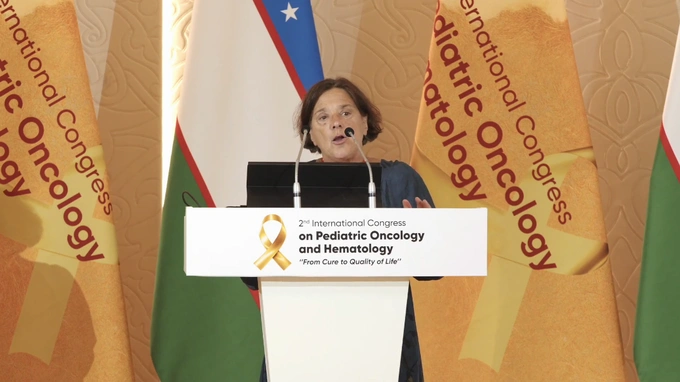
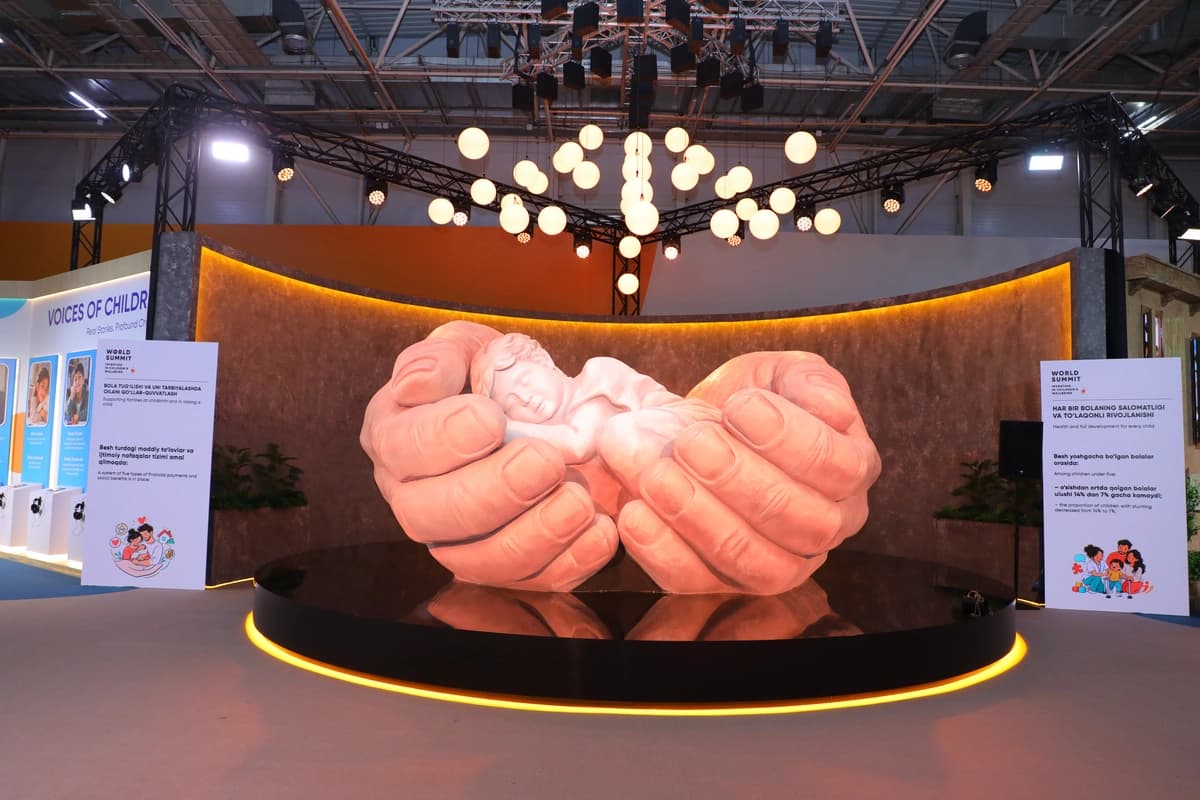
The Second International Congress on Pediatric Oncology and Hematology was held in Samarkand as part of the World Summit 'Investing in Children's Wellbeing.' Its theme was 'From Recovery to Quality of Life.' The forum was attended by the health ministers of Uzbekistan, Russia, Kazakhstan, Kyrgyzstan and Tajikistan, as well as representatives of the WHO, the International Society of Paediatric Oncology (SIOP) and foreign university clinics. The first congress took place two years earlier in Tashkent. According to Gazeta, Carlos Rodriguez-Galindo, vice president of the St. Jude Children's Research Hospital, said that it is now possible to speak of results: in a short time Uzbekistan adopted a national strategy, strengthened specialized centers, created an international academic hub and began to see survival rates rise.
What has changed in the Uzbek system
Uzbekistan's Health Minister Eldor Adilov reported that the time from the first symptoms of illness to the start of specialized therapy has been reduced from several months to several weeks, and nearly 9 out of 10 children are now provided with the necessary medicines — previously only one in three received them. He also announced the start of cooperation between the Health Ministry and the international center for genetic diseases of Harvard Medical School, calling genomic and personalized medicine the key to further progress.
The figures: from late detection to rising survival
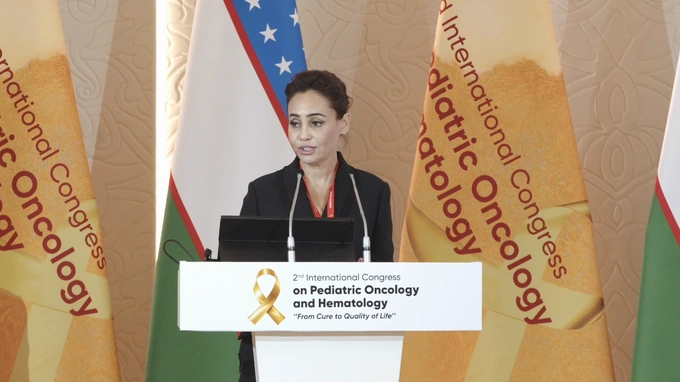
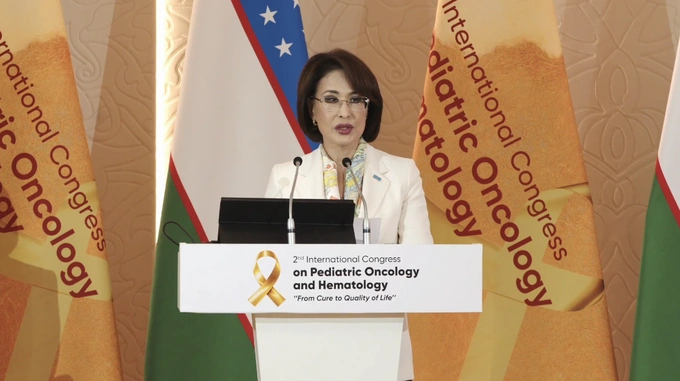
Jamila Polatova, head of Uzbekistan's pediatric oncology service, presented the dynamics of the indicators. She called 2021 the turning point, when decisions were made to establish an independent national service. The first systematized data showed late detection: in 2023 the disease was detected at the first and second stages in 23% of cases, and more than 160 days passed from the first signs to the start of treatment. One-year survival then stood at 37% for oncological diseases and 17% for hemoblastoses. By 2025, the share of early detection had risen to 25%, and in the first seven months of the current year, according to preliminary data, it reached 28%. One-year survival rose to 44.5% for oncological diseases and 42% for hemoblastoses, the availability of specialized medicines grew from 33% to 88%, and the list of state-purchased anticancer drugs expanded from 39 to 53 items.
Medicines: international programs and the transition to domestic financing
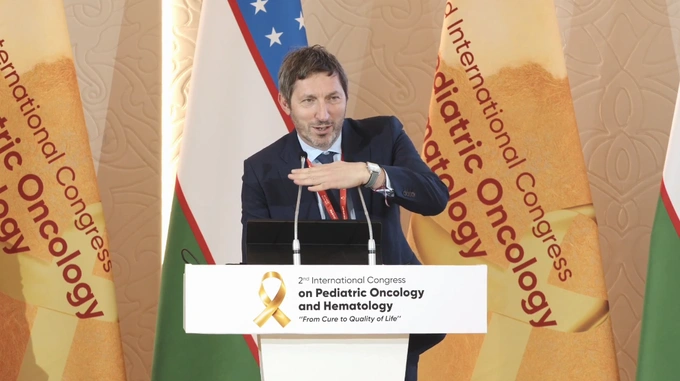
Medicine supplies are provided by two programs: the WHO Global Initiative for Childhood Cancer launched in 2018 (with the goal of at least 60% survival by 2030) and the Global Platform for Access to Childhood Cancer Medicines, created by the WHO and St. Jude Hospital, which invested 200 million dollars in it. According to WHO representative Natasha Azzopardi-Muscat, thanks to the platform Uzbekistan has improved access to essential anticancer medicines for more than 2,000 children, and nearly 500 health workers have been trained. Toby Casper, vice president of St. Jude Global, said that since the beginning of 2023 more than 5,000 children in Uzbekistan have received free medicines through the platform. At the same time, he emphasized that the platform commits to continuing free supplies, but they depend on St. Jude's funding, and ultimately governments must gradually take over the financing themselves, enshrining this in national laws.
Personnel and new partnerships
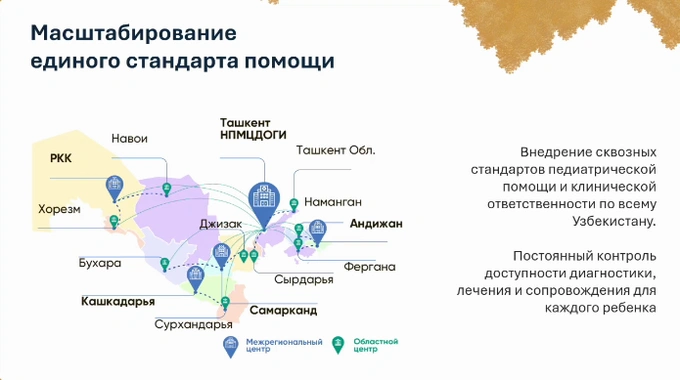
Professor Milen Minkov of the Medical University of Vienna spoke about workforce training for the Republican Center for Pediatric Oncology, Hematology and Immunology: a library of standard operating procedures has been developed, and in May a 20-bed training unit opened in Tashkent, operating to the standards of Central European clinics. In the future it will become a national hub for internships of specialists from the regions, with the new center in Samarkand being the first to join the rotation. Dana-Farber (Harvard Medical School) proposed a three-year program: training oncologists and transplantologists, establishing a center for clinical research and data, as well as a clinic for hereditary cancer predisposition. According to estimates cited by Leslie Lehmann, only about half of the expected cases of childhood cancer are diagnosed in Uzbekistan; the experience of Kyrgyzstan, where improved diagnostics raised detection from 70 to 200 cases per year, points to the potential for growth.
The Regional Dimension
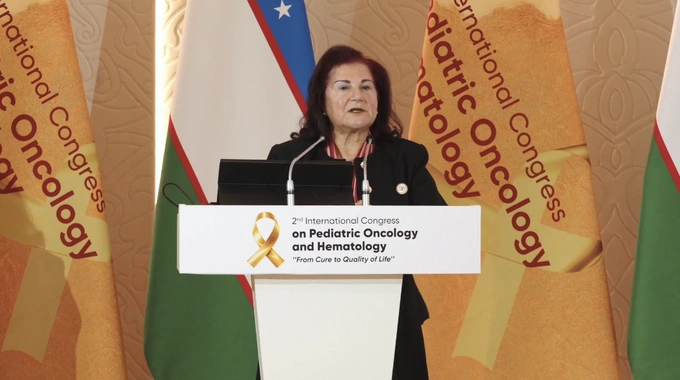
Kazakhstan's Minister of Healthcare Akmaral Alnazarova reported that five-year survival for pediatric oncohematological diseases in the country has reached 70%, and 85% for acute lymphoblastic leukemia. Kazakhstan proposed seven areas of joint work, including shared patient registries, a unified Central Asian bone marrow donor registry, joint procurement of expensive medicines (a corresponding agreement within the Organization of Turkic States is being prepared), and joint clinical trials: Kazakhstan and Uzbekistan together have registered only 4 such trials in pediatric oncohematology, compared with more than 200 in Turkey. SIOP Secretary General Rejin Kebudi noted that Uzbekistan has taken first place in SIOP Asia by number of participants — from 6 in 2024 to 293. The next SIOP Asia congress will be held in Tashkent in May 2027.