The key facts
- Rufat Riskiyev died on 15 August 2026 at the age of 76; he was the 1974 world champion and silver medallist at the 1976 Montreal Olympics.
- Rufat Riskiev died on August 15, 2026, at the age of 76; he was the 1974 world champion and a silver medalist at the 1976 Montreal Olympics.
- The athlete's son spoke about the difficulties after the 1990s and the amputation of both legs in 2016 and 2022.
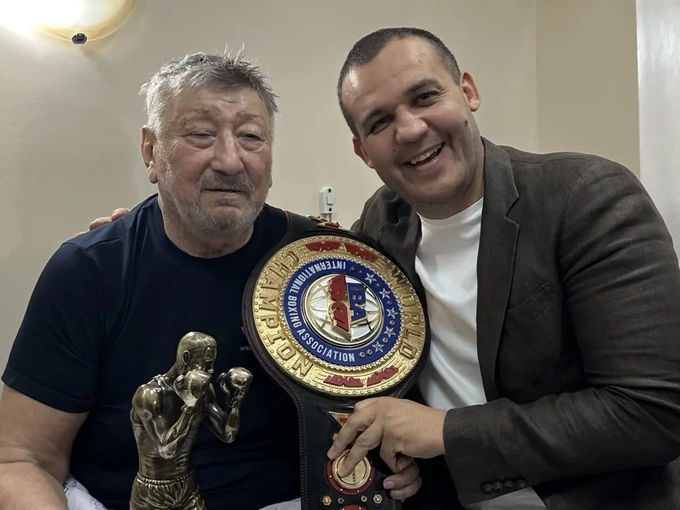
- According to Muhamedqodir Abdullayev, in 2023 IBA president Umar Kremlev provided Riskiyev with financial assistance and gifted him a car and an apartment.
- According to Muhammadqodir Abdullaev, in 2023 IBA president Umar Kremlev provided Riskiev with financial assistance and gave him a car and an apartment.
In memory of the champion
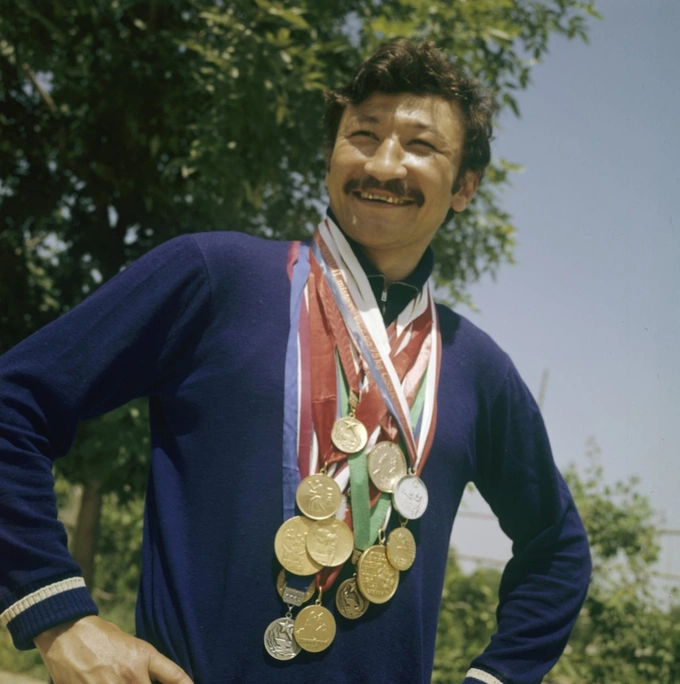
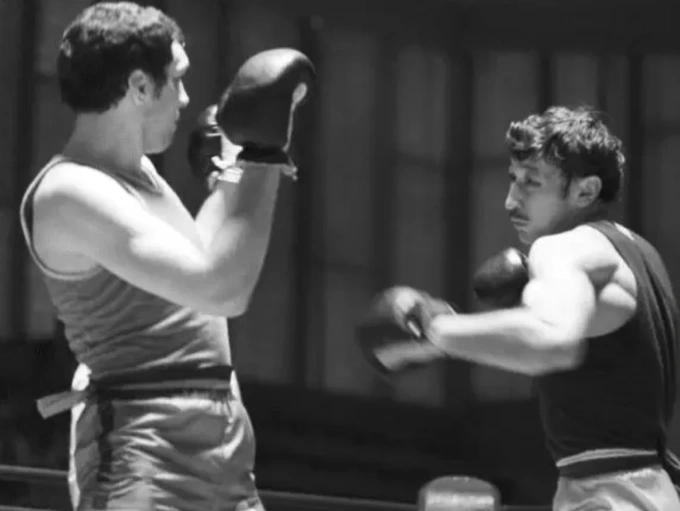
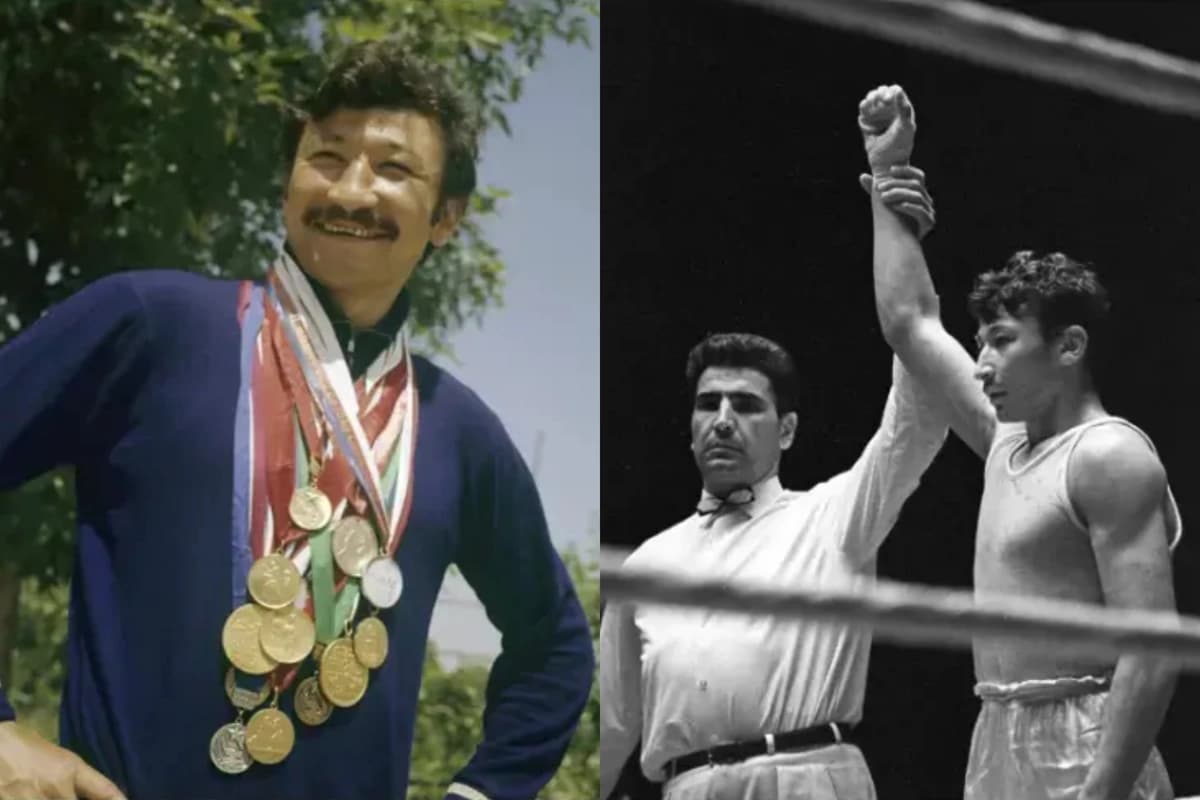
On 15 August 2026, one of the most famous Uzbek boxers, Rufat Riskiyev, known by the nickname 'The Tashkent Tiger', died at the age of 76. For this date, the publication Gazeta.uz prepared a feature of recollections from the athlete's relatives and contemporaries. Riskiyev won a silver medal at the 1976 Olympic Games in Montreal and became world champion in 1974. He won international tournaments in Austria, Bulgaria, Hungary, Poland, Czechoslovakia and Yugoslavia, and twice — in 1973 and 1974 — won the open championship in Cuba. Over his career he fought 189 bouts, winning 174 of them.
A son's account: an undeserved grievance and the loss of his legs
The most detailed recollections come from the athlete's son, Kudratkhodja Riskiyev. According to him, his father considered Olympic gold his main unfulfilled dream until the end of his life. In Soviet times, as an Uzbek, he had to fight for a place on the Olympic team: after he won on points, his rival's victory was not confirmed, and only after the intervention of coaches and Uzbek sports officials was a repeat qualifying bout scheduled, which Riskiyev won — he was given the condition of winning only by knockout or knockdown. Later, according to his father's account, a cornerman was assigned to him — the coach of his former rival — whose incorrect advice affected the outcome of the bout; the son conveys that his father considered this an injustice.
Difficult years and help from outside
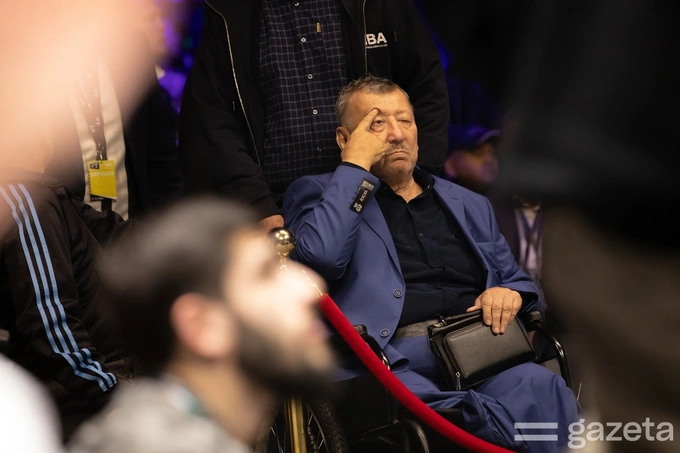
The son also described a difficult period after the 1990s: the state's attention to his father's merits was insufficient at the time, the athlete drifted away from sport and took it hard. In 2011 he underwent surgery due to vascular problems, and in 2016, when circulation could not be restored and his entire body was at risk, his right leg was amputated. The prosthesis did not fit — at a weight of over 100 kilograms, the load on the stump caused severe pain, and Riskiyev moved to a wheelchair. In 2022, his second leg was amputated as well. The son notes that in 2016 he does not recall any significant state support, and help came from friends, including Gofur Rakhimov and Salim Abduvaliyev; from 2018–2019 attention increased, with the leadership of the Olympic Committee and Bakhodir Maksitov providing assistance.
Support from the IBA president
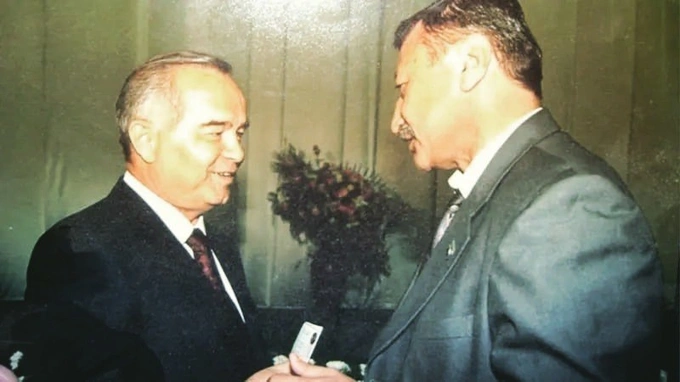
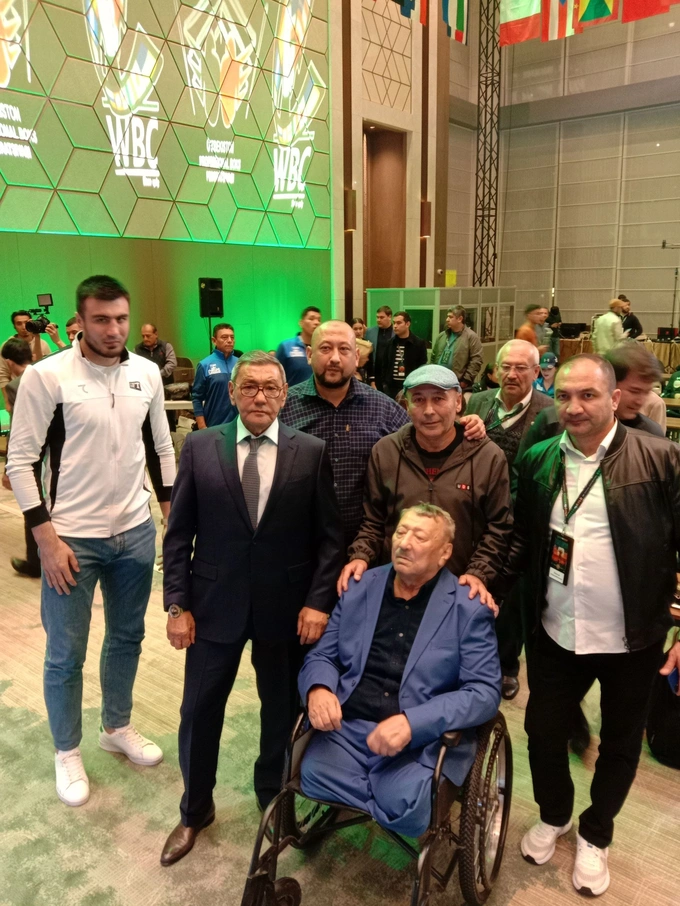
Later support is described by Distinguished Athlete of Uzbekistan Muhamedqodir Abdullayev, for whom Riskiyev was an idol and whom he came to know better from 1996. According to him, in 2023, through the boxer Nabijon Ismonov, the president of the International Boxing Association (IBA) learned of Riskiyev's difficult situation Umar Kremlev: the athlete was taken to hospital for examination, given 10 thousand dollars, granted monthly assistance of 1,000 dollars, given a car as a gift two weeks later, and later an apartment with two or three rooms. In 2024, when the world championship was held in Tashkent, Riskiyev was brought to a meeting to receive his blessing.
Character and nickname
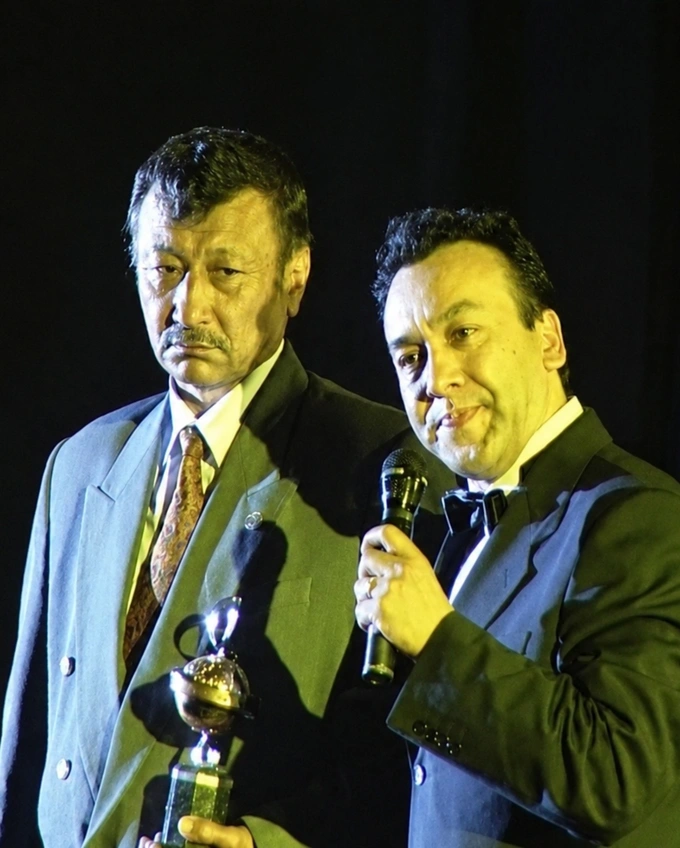
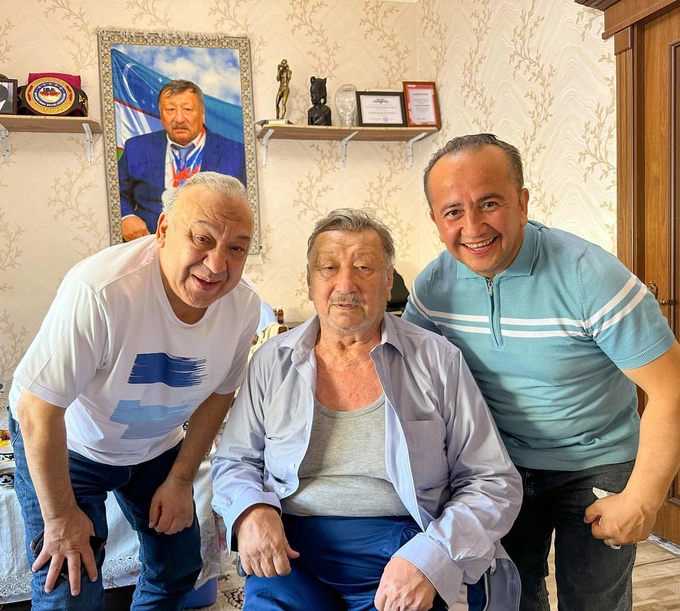
Abdullayev links the nickname 'The Tashkent Tiger' to the boxer's results and character, and recounts an episode known to him: in the final bout of the 1974 world championship, Riskiyev broke his arm but did not tell his coach — otherwise he would not have been allowed into the ring — and continued fighting with his left hand, telling of the injury only after his victory. The interviewee notes that this is his personal opinion about the origin of the nickname; he never asked Riskiyev himself about it. Word expert Valijon Shamshiyev, who also shared his recollections, emphasises the athlete's resilience and sense of humour: he and Mirzabekholm Kholmatov visited him during his illness, and Riskiyev joked that he would 'rescue' his friend by giving him the car, so that descendants would not come to see him only because of it.
The man beyond the ring
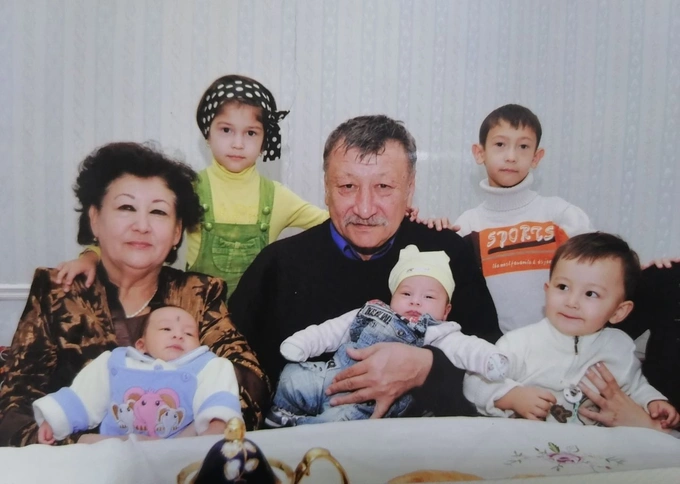
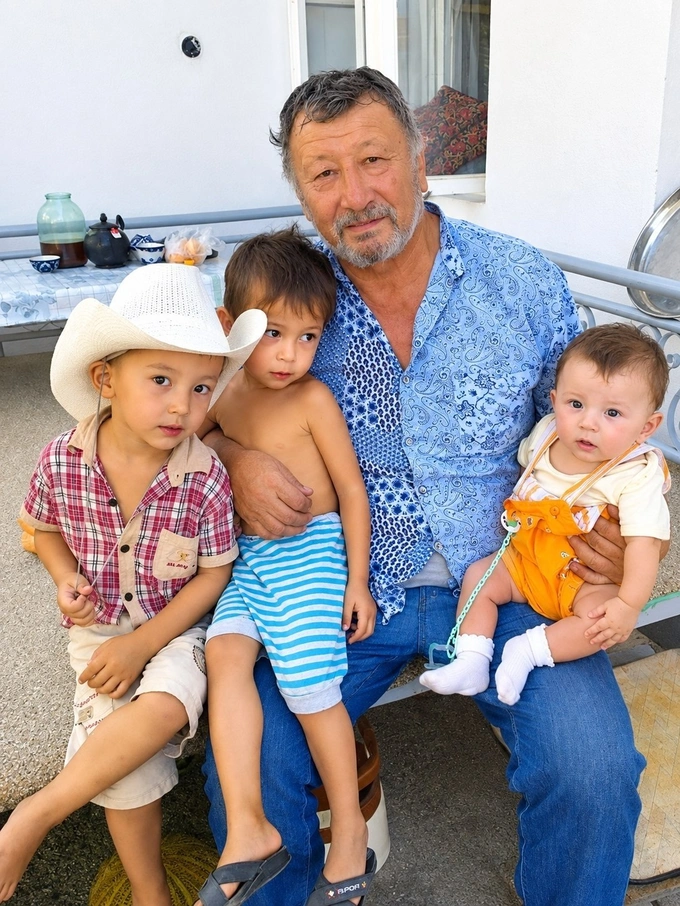
His son's account also paints an everyday portrait: Riskiev read a great deal — mostly in Russian, including world classics — and even after his eyesight deteriorated he kept solving crossword puzzles, asking those who visited to bring him new ones. He avoided programs about war and politics, preferring comedies and good news, taught his children honesty and never raised a hand against them. His generosity was well known: his son recalls an occasion when, in freezing weather, his father gave his own coat to a stranger — and at the same time the fact that some acquaintances took advantage of this, which deeply hurt him. Both sons took up boxing but did not turn professional: their mother believed one athlete in the family was enough, while their father did not pressure them, repeating that talent 'rests on the children' and may emerge a generation later.