The key facts
- Netanyahu's bloc — 53 seats, Eisenkot's opposition — 48; 61 seats are needed for a majority in the Knesset
- Likud remained the largest party (27 seats), Arab parties won a record 19
- Likud demands an investigation into the alleged Qatari funding of the Raam party; Abbas rejected the accusations
No bloc has won a majority
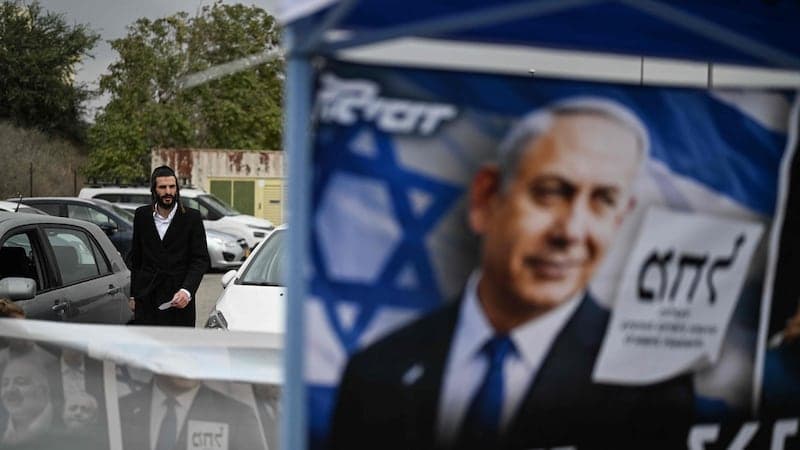
The final results of Israel's parliamentary elections showed there is no clear winner: both major blocs fall noticeably short of a majority in the 120-seat Knesset. The bloc of incumbent Prime Minister Benjamin Netanyahu won 53 seats, while the opposition camp led by Gadi Eisenkot's centrist party Yashar took 48 seats, euronews reports. Forming a government requires 61 seats, meaning both sides will need to bring in parties from outside their blocs.
Record result for Arab parties and fraud allegations
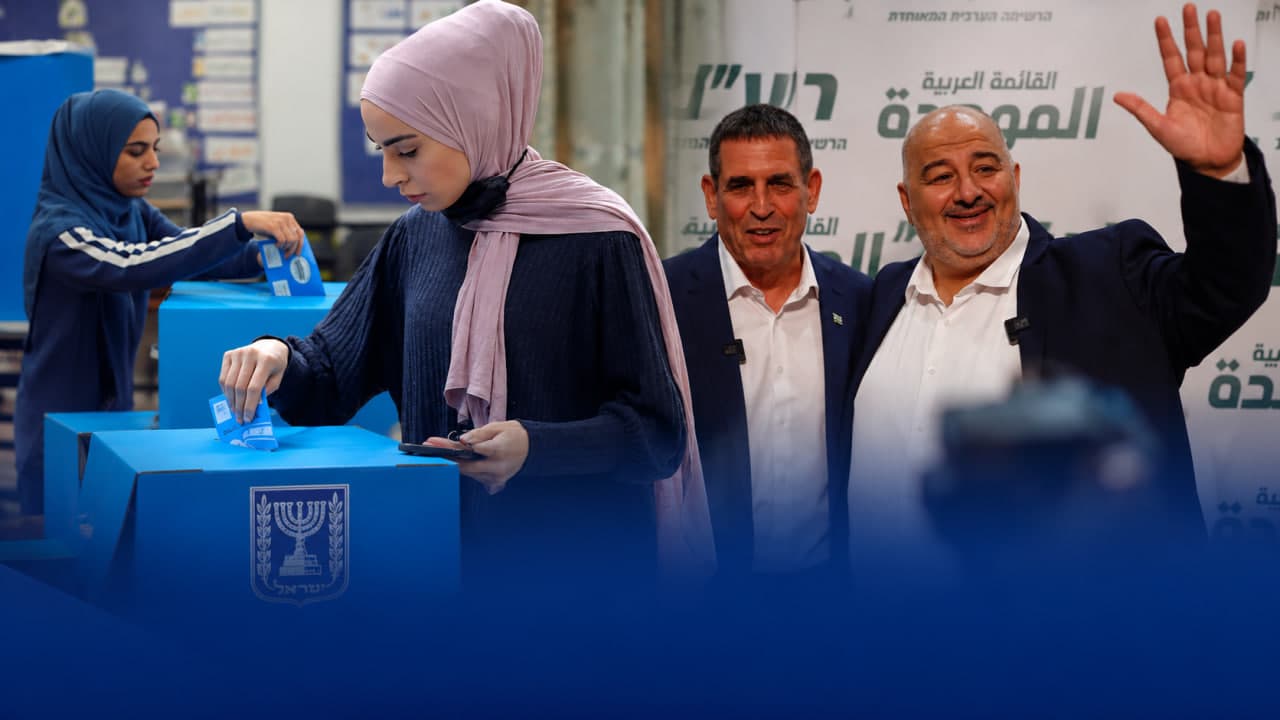
Netanyahu's right-wing Likud party remained the largest in the Knesset with 27 seats, but the Arab parties collectively won a record 19 seats — they may well find themselves in the position of kingmaker in coalition talks. Netanyahu accused the Arab parties of 'stealing' the election and called on the police and the Shin Bet security service to conduct 'a thorough investigation of the fraud.' In a statement on Thursday, Likud called the scandal 'Raamgate' 'an earthquake' and declared that 'the Israeli elections have been stolen'; the allegations concern claims that the Raam party received money from Qatar. According to the outlet, Raam leader Mansour Abbas rejected any wrongdoing and said he welcomed an investigation. Eisenkot, for his part, called foreign interference 'unacceptable and extremely serious' and urged the Shin Bet to investigate the allegations 'fully and immediately, without bias.' The allegations have not yet been confirmed by the findings of any investigation.
What comes next: the government formation process
Next, Israeli President Isaac Herzog will hold consultations with the leaders of the parties elected to the Knesset and task the candidate who, in his assessment, has the best chance of securing sufficient support with forming a government. Under Israeli law, that politician will have 28 days, which the president may extend by up to 14 more. If that fails, a second leader will get a chance with a term of up to 28 days, after which the Knesset may nominate a third candidate with 14 days. If all attempts fail, new elections will be called. Thus, the country faces a lengthy and, likely, difficult period of coalition negotiations, the outcome of which will determine whether Netanyahu keeps the post of prime minister or the opposition forms the government.