The key facts
- Neither Netanyahu's bloc (53 seats) nor Eiskot's opposition (48) has a majority of 61 in the 120-seat Knesset; Arab parties won 19
- Qatar officially rejected accusations of election interference and of funding Arab parties
- According to Haaretz, police found no signs of fraud; the Central Elections Committee chairman ordered the Shin Bet to examine suspicions of 'hostile foreign interference'
The accusations and Doha's response
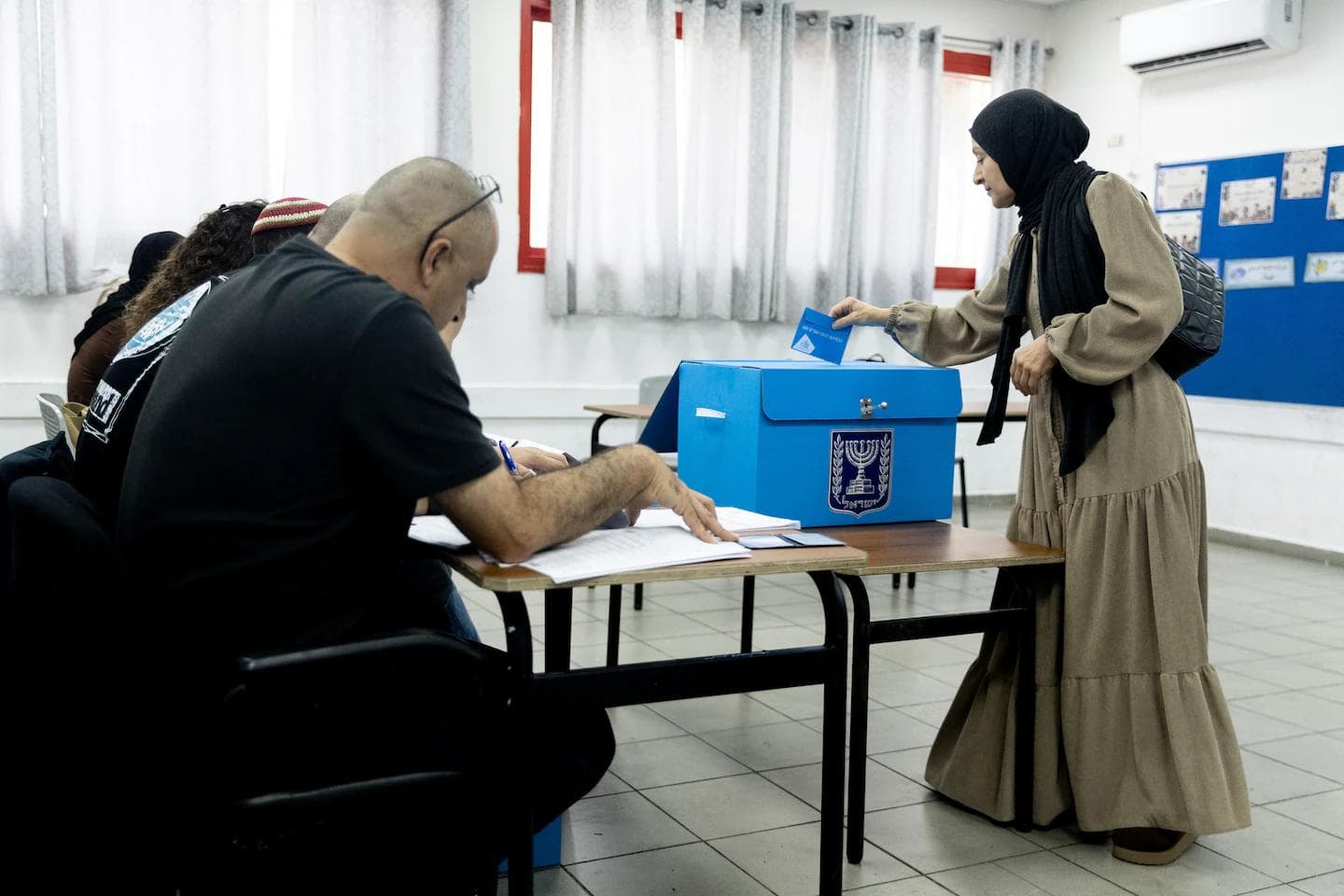
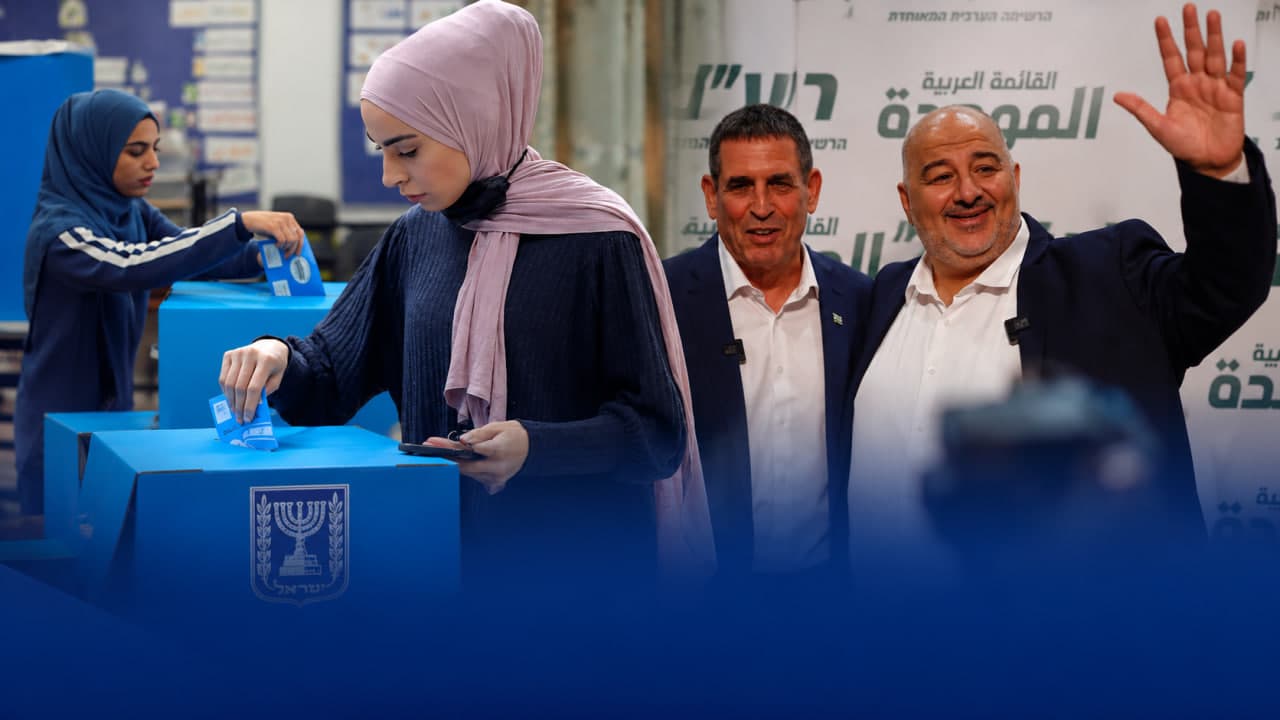
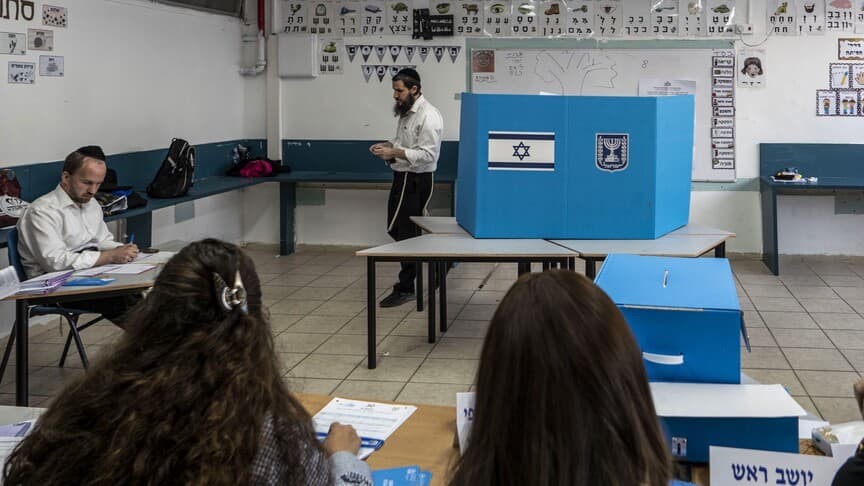
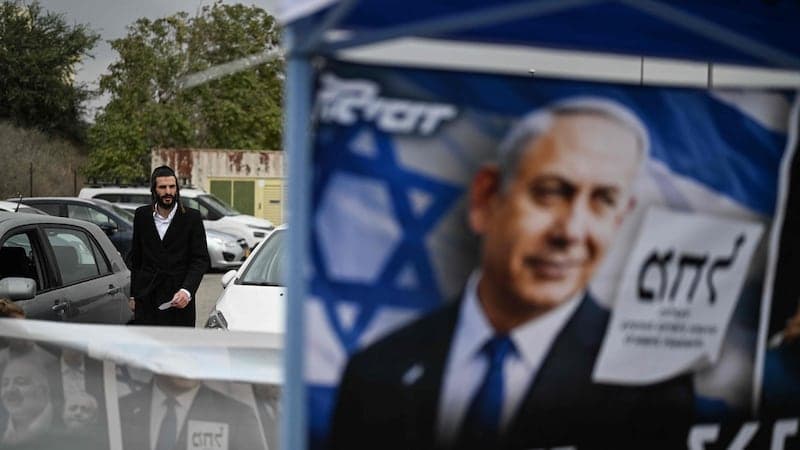
The Knesset elections held on October 27 turned into a dispute over the legitimacy of record turnout among Arab voters. The chairman of the Central Elections Committee, Noam Solberg, ordered the Shin Bet to examine 'serious suspicions' of 'hostile foreign interference,' including claims of Qatari funding of Arab parties. On Thursday, October 29, Qatar categorically rejected these accusations: the prime minister's adviser and official spokesman for the country's foreign ministry, Majed al-Ansari, stated that Doha 'did not interfere in the Israeli elections and did not fund activities aimed at influencing their outcome,' calling the accusations 'ridiculous and dangerous' and accusing certain Israeli politicians and media of using Qatar as a 'scapegoat' for political failures.
Positions within Israel
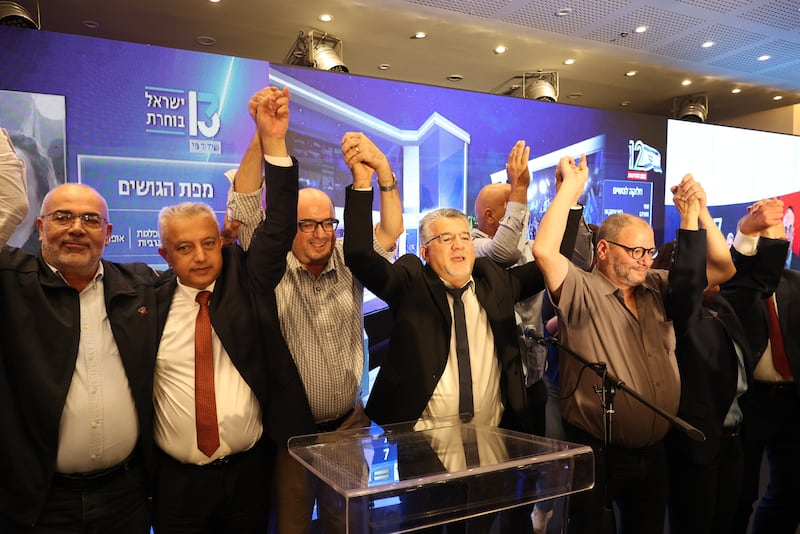
Prime Minister Benjamin Netanyahu and his allies began speaking of a 'stolen' election on voting day itself, against the backdrop of high Arab voter turnout. Shin Bet chief David Zini, by contrast, saw no violations on election day, assuring that the elections were 'being conducted properly.' Police sources told the Israeli outlet Haaretz that there were no signs of fraud and that the accusations were 'nonsense'; later, the police officially stated that any suspicion would be 'investigated thoroughly and impartially.' In a joint statement, the Arab parties called what was happening 'a coordinated campaign funded by elements within Likud' whose aim is to undermine the legitimacy of the results. Police Minister Itamar Ben-Gvir demanded the arrest of the leaders of the Arab parties, 'suspected of involvement with Qatari money,' while Likud called on Jewish opposition parties not to cooperate with Arab politicians.
Parliamentary arithmetic
After all regular ballots were counted, Netanyahu's bloc has 53 seats, the opposition led by Gadi Eiskot has 48, and the Arab parties have 19. No bloc has reached the required 61 of 120 seats, making Arab lawmakers potentially key to forming a government, although many opposition parties have already declared they will not work with Arab politicians; the only Jewish opposition party open to such cooperation remains the left-wing 'Democrats' of Yair Golan, who asserts that Netanyahu 'suffered a crushing democratic defeat' and refuses to accept the voters' verdict. Eiskot called for investigating all complaints but not allowing the situation to be used to influence the date of the swearing-in of the 26th Knesset, while President Isaac Herzog called the integrity of the elections 'a supreme democratic value.' Arab politicians, including the head of 'Balad' Sami Abu Shehade, viewed the accusations as an attempt to justify refusing to recognize the results. Al-Ansari added that the accusations will not stop Qatar's mediation efforts, and called on any future government to respect the Palestinian people's right to self-determination and to an independent state on the 1967 borders with its capital in East Jerusalem.