The key facts
- With ~90% of votes counted, Netanyahu's bloc had 53 seats, Eisenkot's opposition 48, and the Arab parties 19; no one has the 61 seats needed for a majority
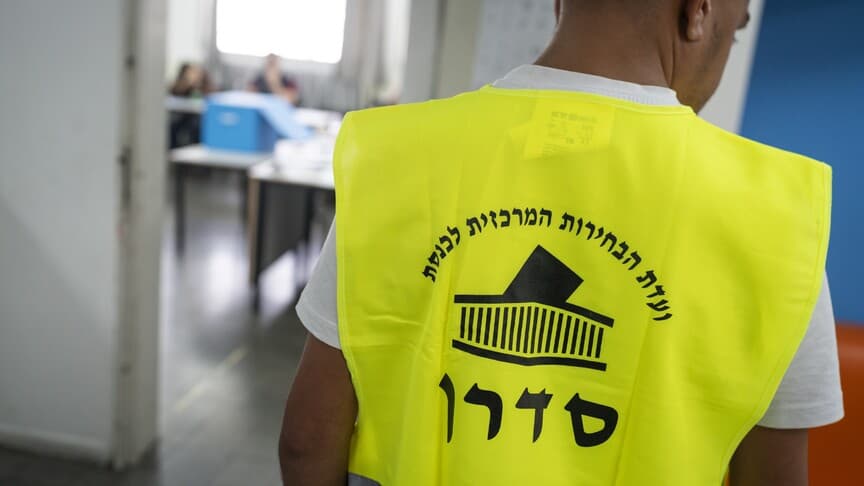
- Central Elections Committee chairman Noam Solberg asked the Shin Bet to look into Likud's claims but could not confirm their truth himself
- The police and the committee's acting director general said there was no evidence of violations; Arab voter turnout rose from ~50% in 2022 to ~80%
Accusations after an election with no clear winner
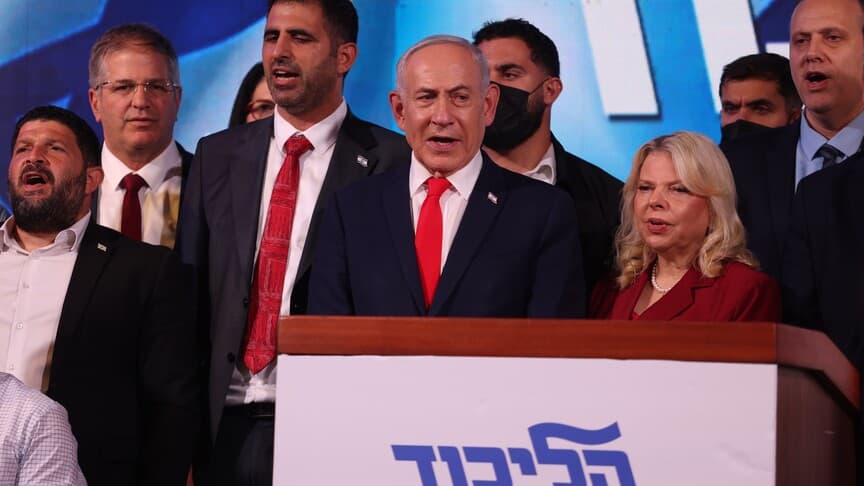
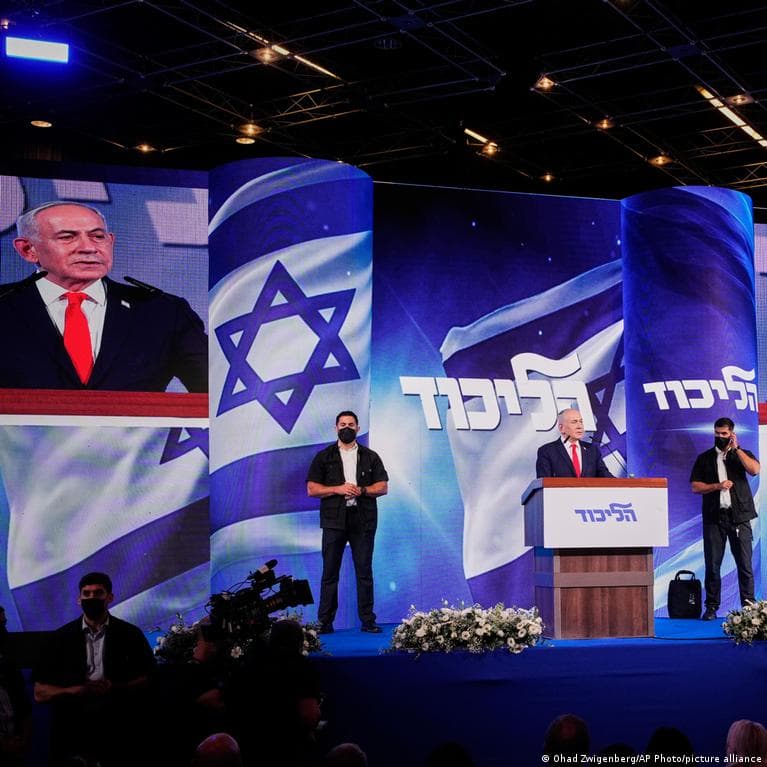
Benjamin Netanyahu's Likud party alleged interference and fraud in Israel's recent election after the vote count left the prime minister's bloc without a parliamentary majority. According to Euronews, with about 90% of votes counted, Netanyahu's bloc was on course for 53 seats, the opposition led by Gadi Eisenkot for 48, and the Arab parties for 19; none of them has the required 61 seats. The final count was expected on Thursday evening, with official certification of the results due by November 4.
The substance of Likud's claims and the authorities' response
Likud claimed the election had been 'stolen by Arab parties that support terrorism' through bribery, intimidation, violence, forgeries and 'banned voter-mobilization software'. The right wing pointed to record turnout in Arab communities, organized transport to polling stations and mobilization campaigns with foreign funding. Noam Solberg, chairman of the Central Elections Committee and a Supreme Court justice, sent a letter to the Shin Bet security service asking it to look into claims of 'unlawful interference through foreign funding', while noting that he 'cannot attest' to their truth — as Deutsche Wellenotes, the request contained no direct accusation against the Arab parties.
Authorities push back, the parties deny
At the same time, Israeli police said it had neither 'investigative' nor 'informational' evidence supporting Likud's claims, and the acting director general of the elections committee, Dean Livne, told the Kan 11 channel that the committee had received 'claims, not evidence' and that there were no grounds to speak of a 'stolen election'. The Joint Arab List called the accusations an attempt to delegitimize growing Arab influence and accused Netanyahu of 'working to steal the election'; Raam party leader Mansour Abbas said there was no connection to any violations and expressed readiness for an investigation. Qatar, which Netanyahu mentioned when he asked on social media why politician Ahmad Tibi had visited the country four days before the election, categorically rejected any interference: according to Foreign Ministry spokesman Majed Al-Ansari, the accusations are 'equally absurd and dangerous'.
Record turnout among Arab voters
The backdrop to the conflict was unprecedented turnout in Arab and Palestinian communities: according to Israeli media cited by Deutsche Welle, it rose from roughly 50% in 2022 to 80% in 2026. This brought the Joint List 11 seats, up from six in 2022, and Raam eight, up from four; both parties have already said they are ready to cooperate with the Zionist opposition to unseat Netanyahu, even though most opposition parties had promised before the election not to enter a coalition with the Arab parties (the exception being the left-wing Democrats party).
What comes next and open questions
No evidence of the alleged violations has been presented publicly; according to Kan and Ha'aretz, cited by Deutsche Welle, sources familiar with the Shin Bet review assess the scale of the suspicions as 'relatively small' and say the reports are 'being blown out of proportion'. Shin Bet chief David Zini called the election 'safe, reliable and controlled' on election day, although his appointment had earlier been criticized by opposition figures. President Isaac Herzog called for a full investigation while warning against stigmatizing the entire Arab community, and Eisenkot, accusing Netanyahu of an 'influence operation' to delegitimize parliament, also backed an investigation. After the results are certified, Herzog will decide whom to task with forming a government; the Knesset is to be sworn in on November 10, and if no coalition can be formed, Israel could face a new election early next year. According to N12, as reported by Deutsche Welle, Likud had discussed possible complaints about the election's integrity even before the vote, with a focus on Arab communities, although no violations had been presented at that point.