The key facts
- Italy: 5.4% (from 4.2%), Spain: 4.9% (unchanged), France: 3.4% (from 3.1%), Germany: 2.8% (from 3.3%)
- Pantheon raised its eurozone inflation forecast to 4% — twice the ECB's 2% target
- The ECB kept the rate at 2.5%; Lagarde steps down in February, nine months before the end of her term
Diverging trajectories amid a common energy shock
The four largest eurozone economies published October inflation data on Friday, offering an early picture of price pressure in the region. The ranking was unambiguous: Italy at 5.4% year on year, Spain at 4.9%, France at 3.4%, and Germany at 2.8%. More telling was the direction of movement: inflation accelerated sharply in Italy and France, held steady in Spain, and fell in Germany — even though all four countries are facing the same surge in energy prices. This is reported by euronews.
Italy: record growth and a stagnant economy
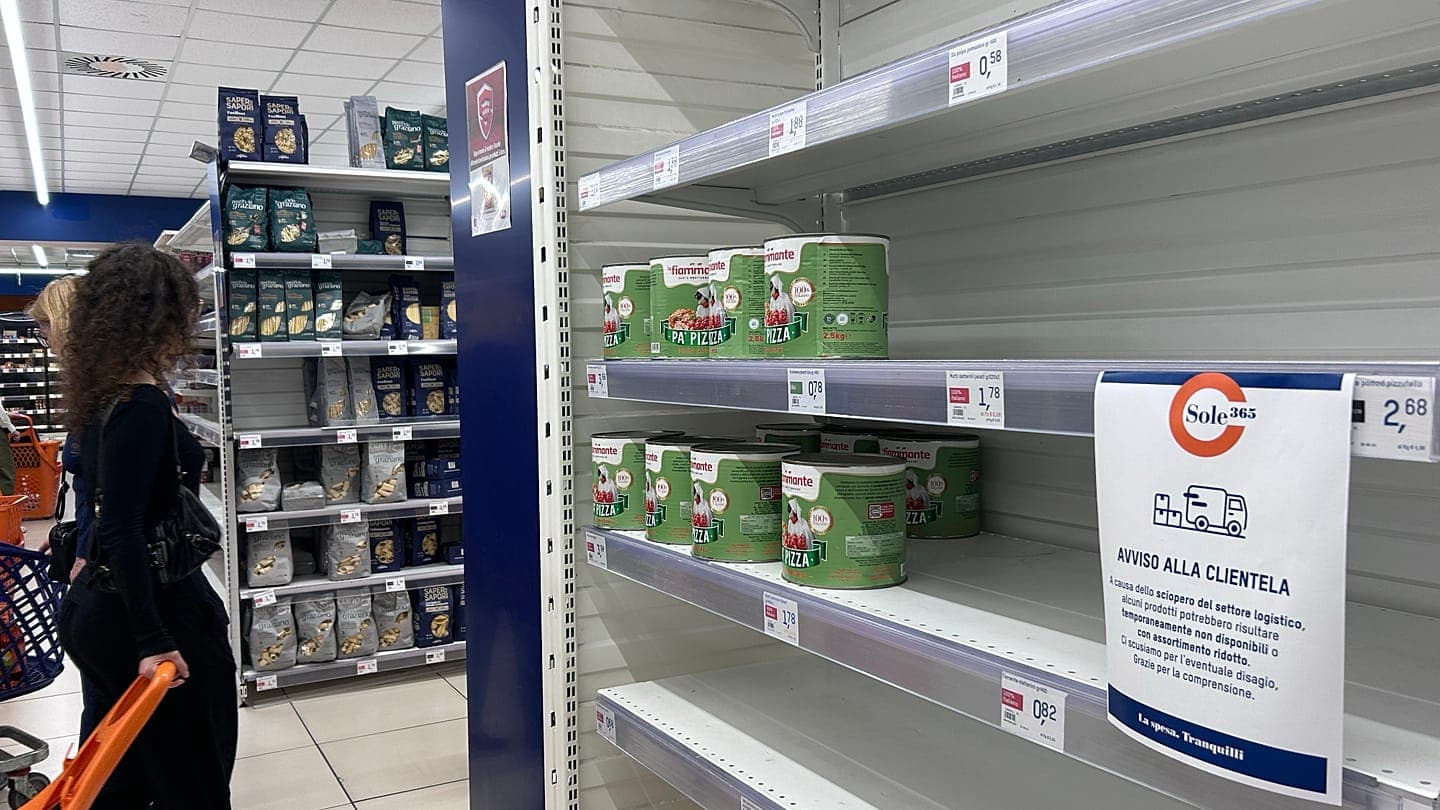
According to preliminary data from the national statistics office Istat, inflation in Italy rose to 5.4% from 4.2% in September — a level last seen in August 2023 and well above economists' expectations of 4.6%. On the EU-harmonised measure, the increase reached 5.6%. Energy was the main driver: energy prices rose 31.4% year on year, up from 22.6% a month earlier, while regulated tariffs jumped 59.5% — more than twice the previous month's pace; in October alone they climbed 18.8%. The pressure has now reached supermarket shelves: the 'shopping basket' became 2.5% more expensive, up from 1.5%, and unprocessed food rose 7.5%. Core inflation increased to 2% from 1.6%. At the same time, Istat reported that the Italian economy did not grow in the third quarter. Melanie Debono of Pantheon Macroeconomics suggested that next month's detailed data will show the energy shock weighing on consumer spending more strongly than retail statistics currently indicate.
Spain and France: stability versus stagflation
In Spain, inflation held at 4.9% — the same as in September and close to the highest level since the start of 2023 — according to a flash estimate from the National Statistics Institute (INE). The annual figure was unchanged mainly because fuel turned out to be cheaper than in October last year, while higher gas tariffs partially offset that relief. Core inflation stayed at 3.1%. Spain nonetheless remains the strongest of the bloc's large economies: according to Joe Nellis of MHA, its output grew 0.6% in the third quarter on the back of strong domestic demand. In France, according to Insee, inflation rose to 3.4% from 3.1% — the highest since January 2024 and above expectations of 3.2%. Energy prices accelerated for the fourth month in a row, gaining 24.1% year on year; services inflation rose to 2.7%. The data came out alongside news that the French economy shrank by 0.1% in the third quarter. 'France is facing stagflation,' said Claus Vistesen of Pantheon Macroeconomics, who expects harmonised inflation to exceed 4% by November.
Germany: the effect of a tax measure
Germany was the exception: inflation fell to 2.8% from 3.3%, coming in below the forecast of 3%, the Federal Statistical Office (Destatis) reported. The main reason was a cut in fuel taxes that took effect on 1 October and runs until the end of the year: energy inflation slowed to 12.2% from 14.9%, and consumer prices fell 0.2% on the month. Core inflation declined to 2.1% from 2.4%. Economists warn the relief may be short-lived: in Vistesen's assessment, energy inflation will remain subdued until the end of the year but will spike in January and February if fuel levies rise again. 'Current core inflation readings in Germany look soft, but this weakness will not last long,' he noted.
What this means for the eurozone and the ECB
Eurostat will publish a flash estimate for the entire currency bloc next week. Before the Italian data came out, BofA Global Research had expected eurozone inflation of 3.7%; after the Italian surprise, Pantheon raised its forecast to 4%, up from 3.8% in September — twice the ECB's 2% target. Paolo Grignani, senior economist at Oxford Economics, described the picture as 'mixed, with stagflationary tendencies' and pointed to 'worrying signs that the energy shock is quickly spreading to more persistent components.' With the eurozone growing 0.4% in the third quarter, Oxford Economics expects two further rate hikes. The day before, on Thursday, the ECB kept its deposit rate at 2.5% after raising it in September: Christine Lagarde said policymakers discussed another hike but unanimously decided to wait. The meeting was overshadowed by her announcement that she would step down in February — nine months before the end of her term. Matthew Ryan of Ebury called a December hike 'a very likely scenario' and added that the prolonged search for Lagarde's successor 'could add volatility to markets at an already fragile moment.' Nelis, for his part, noted that the ECB is in a difficult position: years of sluggish growth argue for supportive rates, but the central bank 'may be forced to raise interest rates further at its December meeting.' Friday's figures show both sides of the dilemma: in Germany, the targeted tax cuts were enough to bring inflation down, while in Italy the energy shock is already showing up in household spending on groceries and travel.