The key facts
- Lagarde leaves on February 7, 2027, explaining the decision by her unwillingness to remain neutral
- The ECB kept the rate at 2.5% but unanimously discussed a hike; eurozone inflation reached 3.8%
- Lagarde will chair two more meetings — in December and February; no successor has been named yet
An early departure for the freedom to speak out
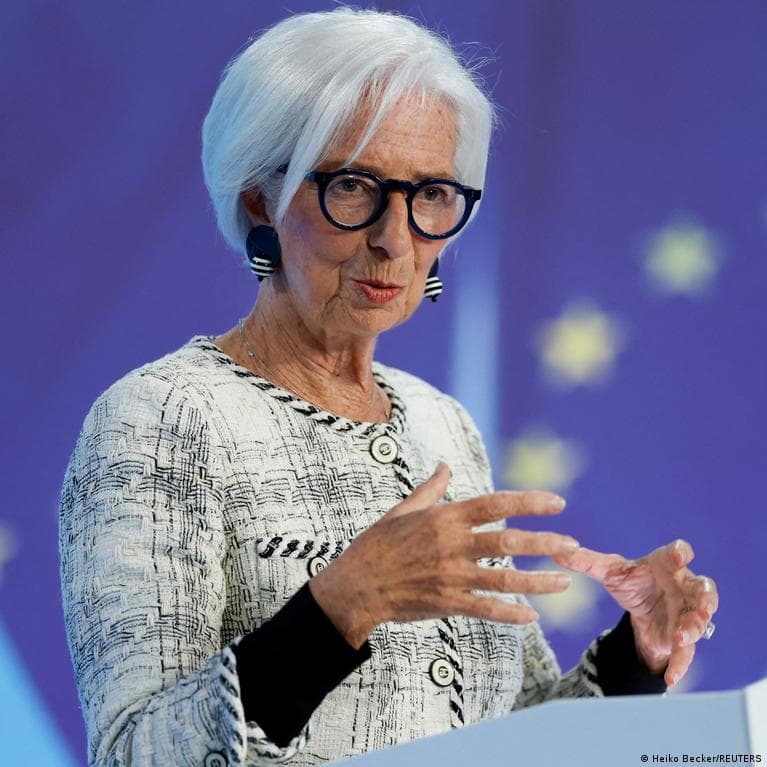
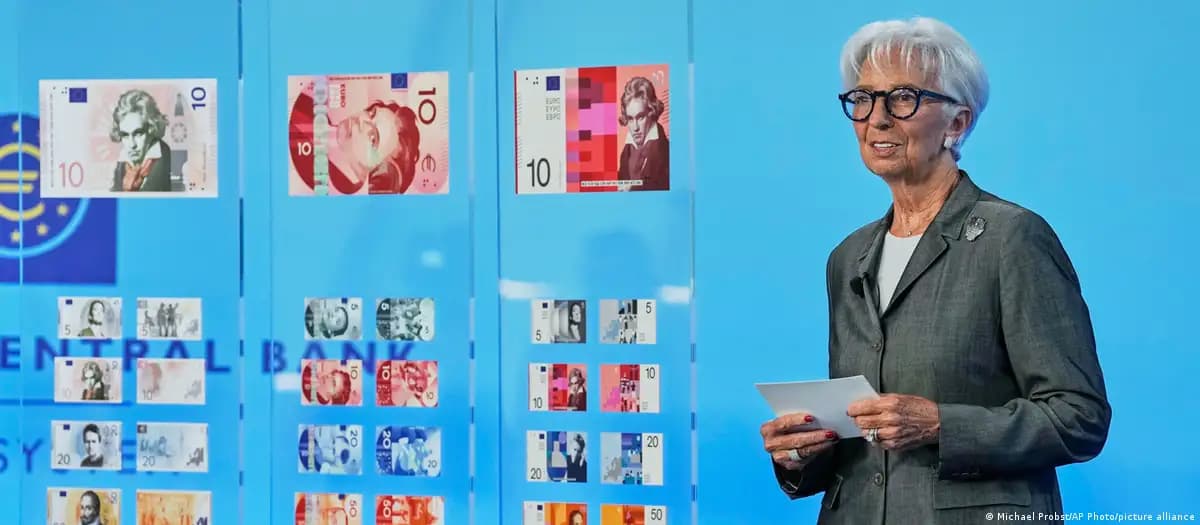
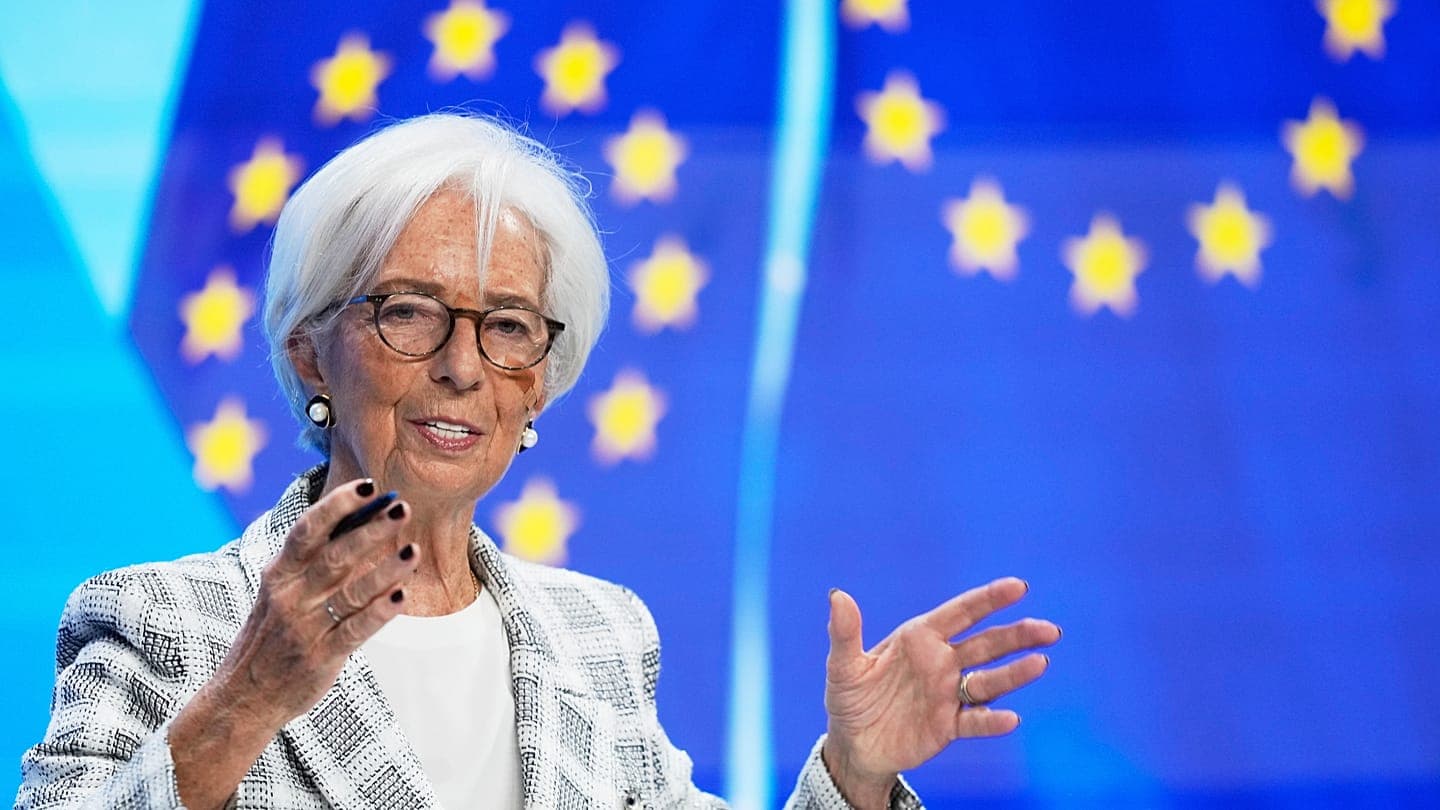
European Central Bank President Christine Lagarde will resign on February 7, 2027 — roughly nine months before the end of a term that would in any case have expired in October 2027. Explaining her decision to journalists in Frankfurt, she said that the neutrality expected of central bankers and, in her words, the 'price of their independence' is no longer acceptable to her: 'I don't think I can remain neutral. I care about the truth, and I see that the truth very often suffers, contradicted by distortions.' After more than 20 years at the IMF and the ECB, she added, there are things she must say, although 'whether people will listen or not is another question.' She refused to discuss supporting a candidate in the French presidential election in the spring or any future position.
Rates held, but a hike was seriously discussed
The announcement of her departure came minutes after the ECB left key rates unchanged, keeping the deposit rate at 2.5%. Lagarde said the decision was unanimous, but the Governing Council seriously discussed a hike. Two factors had changed since the September projections: energy prices continued to rise (eurozone inflation reached 3.8% in September, with energy up 18.9% over the year), and the average yield on 10-year eurozone government bonds rose by about 35 basis points. Mortgage rates had already climbed to 3.8% in August from 3.5% in July, and banks tightened lending to companies. Lagarde listed the data due before the December meeting — two inflation reports, GDP and wage growth for the third quarter — and made clear that absent 'major events' the direction of movement is obvious; core inflation will carry particular weight.
France — the 'elephant in the room'
Last week the yield on 10-year French bonds exceeded 5% for the first time since 2002; on Thursday it fell to about 4.88%, remaining 154 basis points above the German yield and 40 points above the Italian one. Lagarde avoided mentioning France directly, describing the rise in yields as global — driven by inflation expectations and bond issuances by technology companies to build data centers — but stressed that highly indebted countries must plan for rates that 'will probably remain higher for some time' and comply with EU fiscal rules. Asked about the risk of contagion, she replied: if market turmoil threatens the transmission of monetary policy, 'we have the tools to respond.' The 2022 Transmission Protection Instrument has never yet been activated; Oxford Economics does not expect it to be used soon, although its baseline scenario assumes the Franco-German spread widening to 200 basis points by the spring elections.
What comes next
Lagarde will chair two more ECB meetings — in December and February — and assured that 'perfect continuity in the work' will be ensured: 'The institution is solid, strong, like a rock.' Not everyone shares the calm: Matthew Ryan of Ebury called the moment 'far from ideal' given inflation above target and the widest Franco-German spread since 2011, while Joe Nellis of MHA considers a quarter-point hike in December increasingly likely. Ryan names Klaas Knot and Pablo Hernández de Cos as favorites to succeed her, but there is no official candidacy — and, as Claus Vistesen of Pantheon Macroeconomics noted, investors will partly trade on rumors about the new ECB leadership alongside economic data.