The key facts
- ECB rate held at 2.5% after two hikes during the year
- Inflation hit a three-year high of 3.8% in September
- Lagarde leaves in February, eight months before her term ends in October 2027
Rate unchanged, resignation in February
The European Central Bank on Thursday left its key rate unchanged at 2.5%, as economists had expected, after two hikes since the beginning of the year. The decision was taken despite accelerating inflation, which, according to the ECB, is being fueled by the energy shock from the protracted conflict in the Middle East. The report comes via AFP.
Inflation and a cautious balance
Inflation in the eurozone reached a three-year high of 3.8% in September. The governing council's statement noted that the increased scale and duration of the energy shock, as well as second-round indirect effects, would 'likely lead to higher inflation and lower growth.' At the same time, underlying inflation, according to the bank's assessment, 'remained broadly stable,' and there is no noticeable wage reaction yet. The regulator stated that it is 'well positioned' to act amid heightened uncertainty.
France and the question of the crisis instrument
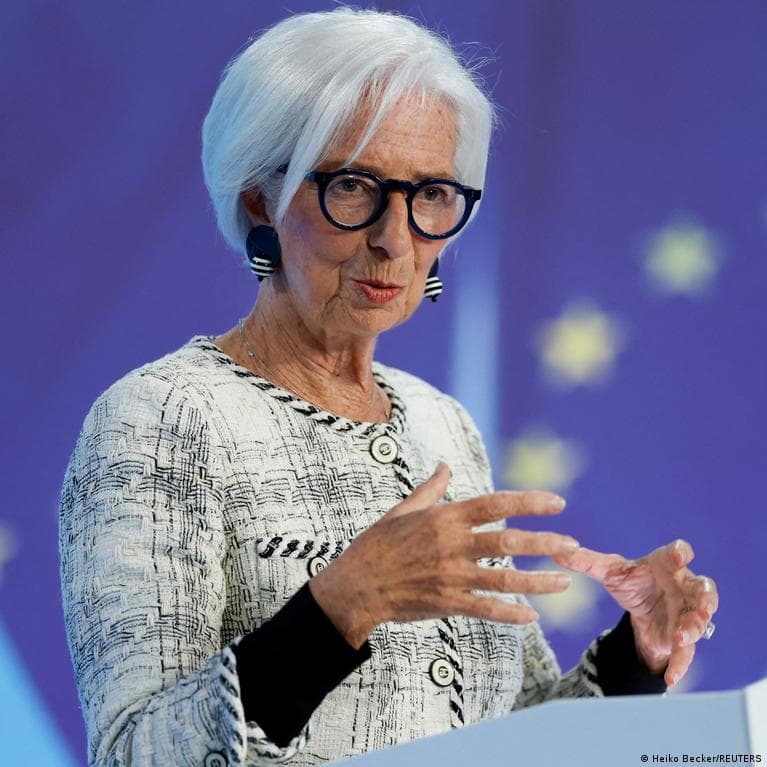
The press conference is expected to focus on the deterioration of France's public finances: yields on its government bonds have risen to their highest levels since 2002. France was not mentioned directly in the ECB statement itself, but the bank noted that 'financing conditions have tightened' since the September meeting, which will likely affect inflation and growth. AFP draws attention to the question of whether the ECB could, for the first time, activate the Transmission Protection Instrument — an anti-crisis tool against movements in the sovereign debt market; its activation criteria are strict, and most observers believe that France's problems do not reach that threshold. Lagarde herself, who previously served as France's finance minister, reacted with restraint: 'The first and main solution lies at home, in France. And it concerns fiscal policy.'
What comes next
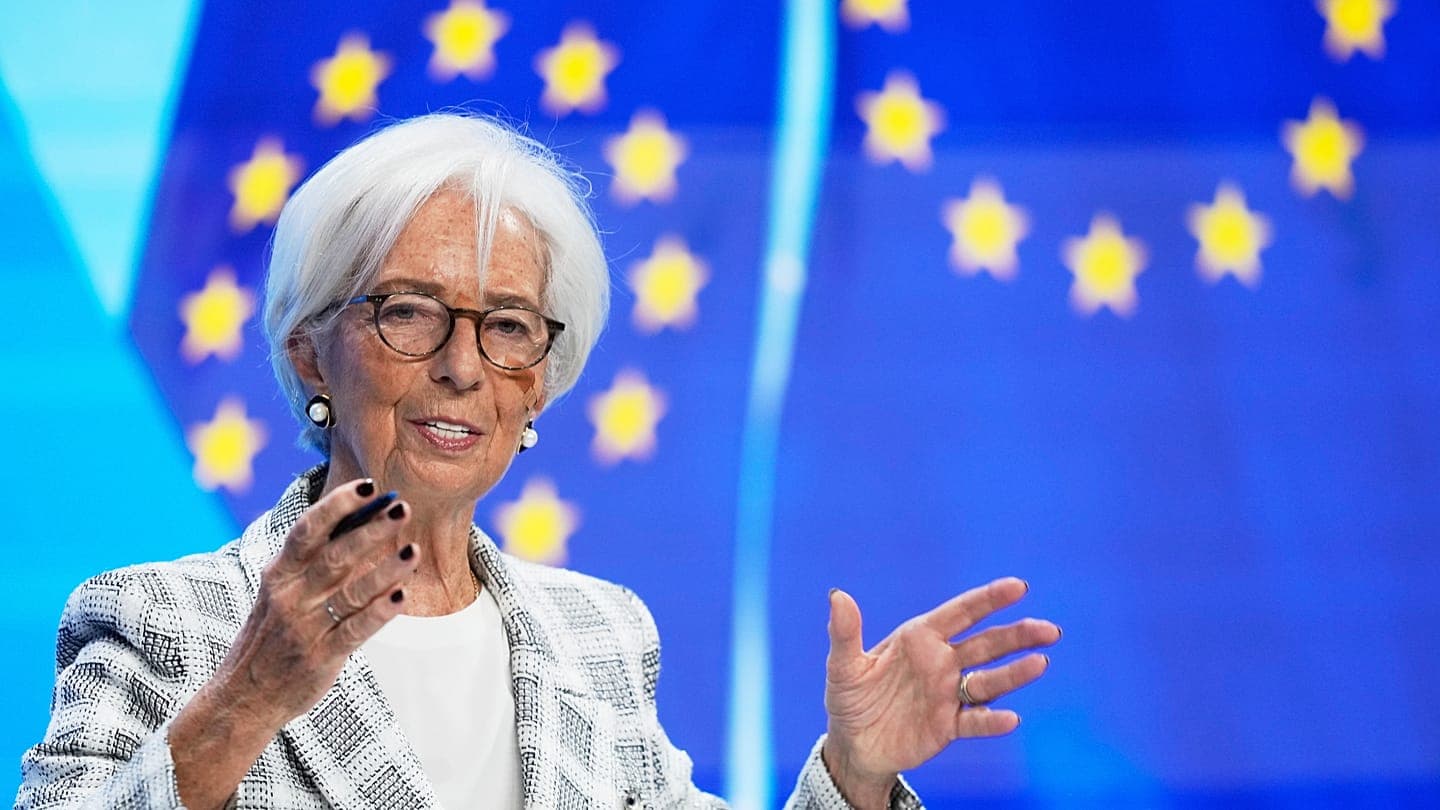
Lagarde announced her departure a few hours before the rate decision: she will leave her post in February of next year, ahead of schedule — her term officially ends in October 2027. According to AFP, this will allow EU leaders to choose a successor before the French presidential elections in the spring, as officials fear that a far-right victory would complicate negotiations. Most of the economists the agency cites forecast a final rate hike of the current tightening cycle in December, when the ECB will receive updated growth and inflation projections. Investors will also watch Lagarde's wording: rising government borrowing costs typically raise borrowing costs for households as well, potentially sparing the ECB from having to raise rates itself.