The key facts
- 29,253 'envelope' ballots out of nearly 500,000 counted, about 6%; the count is expected to be completed by evening
- After regular ballots: Netanyahu's bloc — 53 seats, Eisenkot's bloc — 48, Arab parties — 19
- Turnout of 77.7% — the highest since 1999; no bloc has a majority of 61 seats
Progress of the 'envelope' ballot count
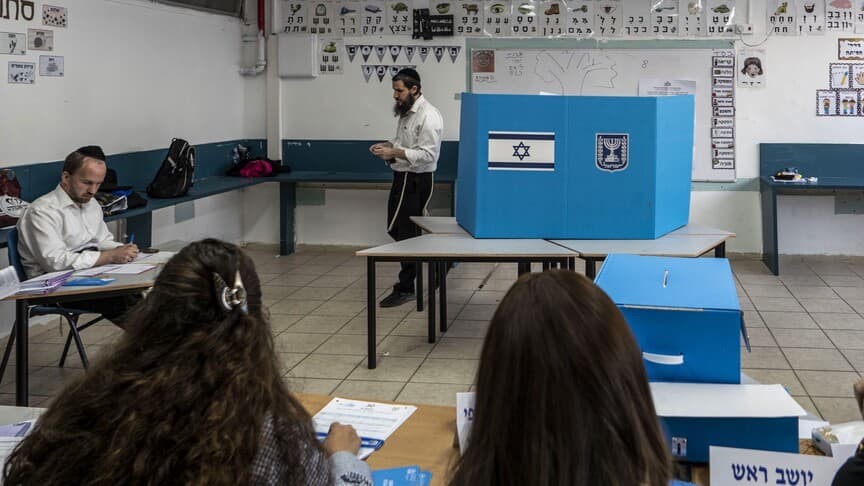
The counting of 'double envelope' ballots in Israel's parliamentary elections continues. According to the Israeli press cited by Anadolu, by Thursday morning 29,253 such ballots out of nearly 500,000 had been processed — about 6%. According to the Yedioth Ahronoth newspaper, the Central Elections Committee expects to complete the count by evening.
Who votes with a 'double envelope' and why it matters
'Double envelope' ballots are cast by voters voting outside their registered place of residence: soldiers, diplomats, police officers and displaced residents. First, the identification details on the outer envelope are checked to rule out double voting; then the envelope is separated from the anonymous ballot, and only after that is the vote counted. The remaining unprocessed votes could change the number of seats held by individual parties and the balance of power between the blocs — this is especially significant because, after the count of regular ballots, neither of the two main blocs reaches the majority threshold of 61 seats out of 120 in the Knesset.
Current seat allocation
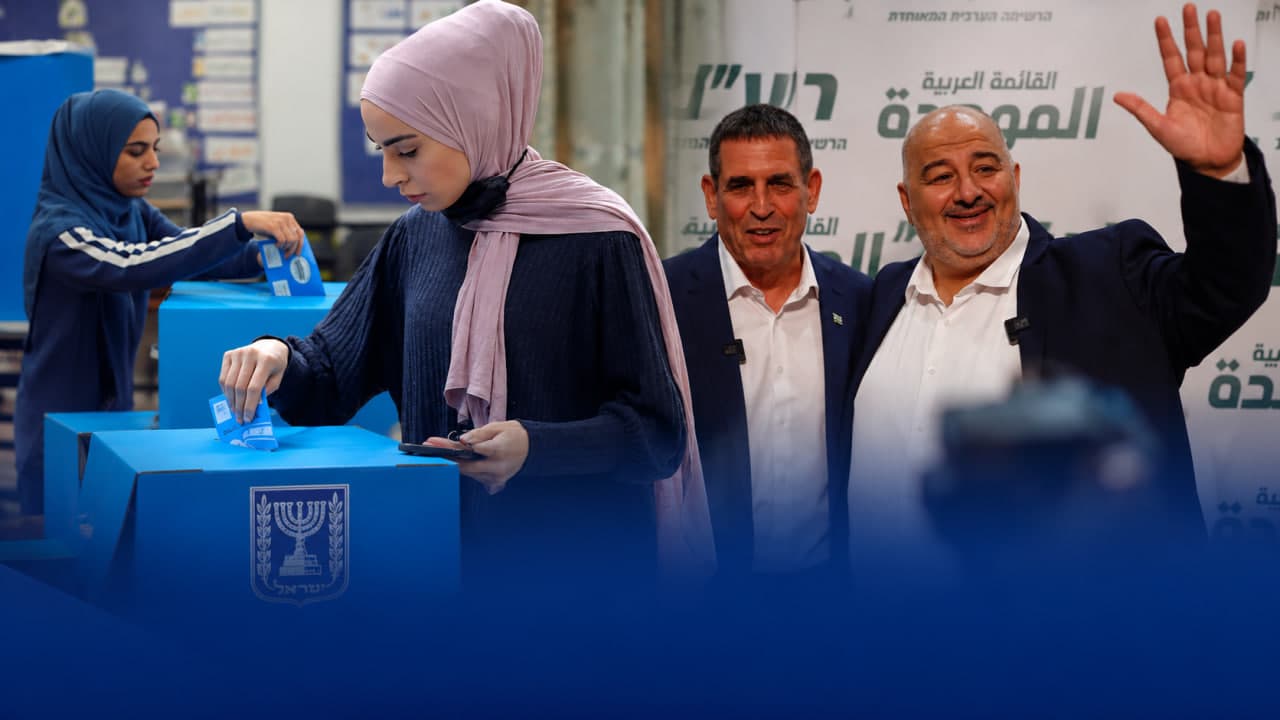
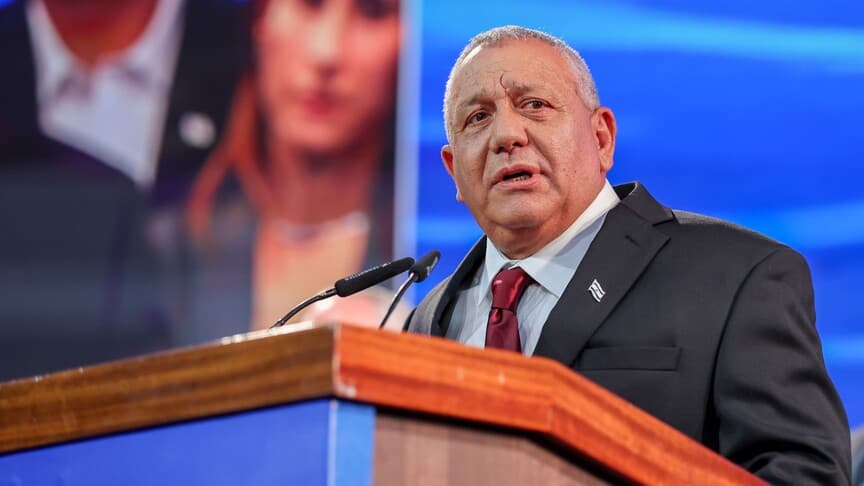
According to Channel 12, cited by Anadolu, after the count of regular ballots, Prime Minister Benjamin Netanyahu's bloc predictably receives 53 seats, the opposition bloc led by the leader of the Yashar party, Gadi Eisenkot, receives 48, and the predominantly Arab parties receive 19. The Joint List predictably receives 12 seats and the United Arab List (Ra'am) seven, giving the Arab parties a record combined representation of 19 seats. Turnout was 77.7% — the highest figure since 1999, according to the elections committee.