The key facts
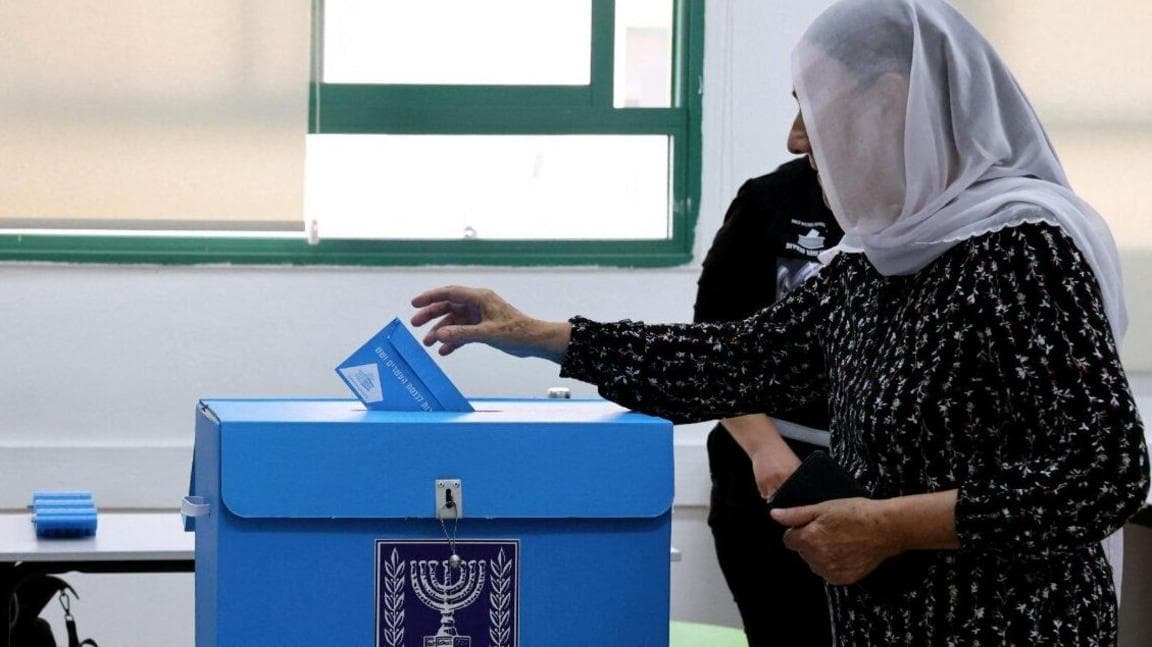
- The Joint Arab List linked Netanyahu's bloc failing to secure a majority to high turnout among Arab voters
- Arab parties are projected to increase their representation from 10 to 19 seats compared with the 2022 election
- More than 500,000 special ballots have not yet been counted, and final results have not been announced
Statement by the Joint Arab List
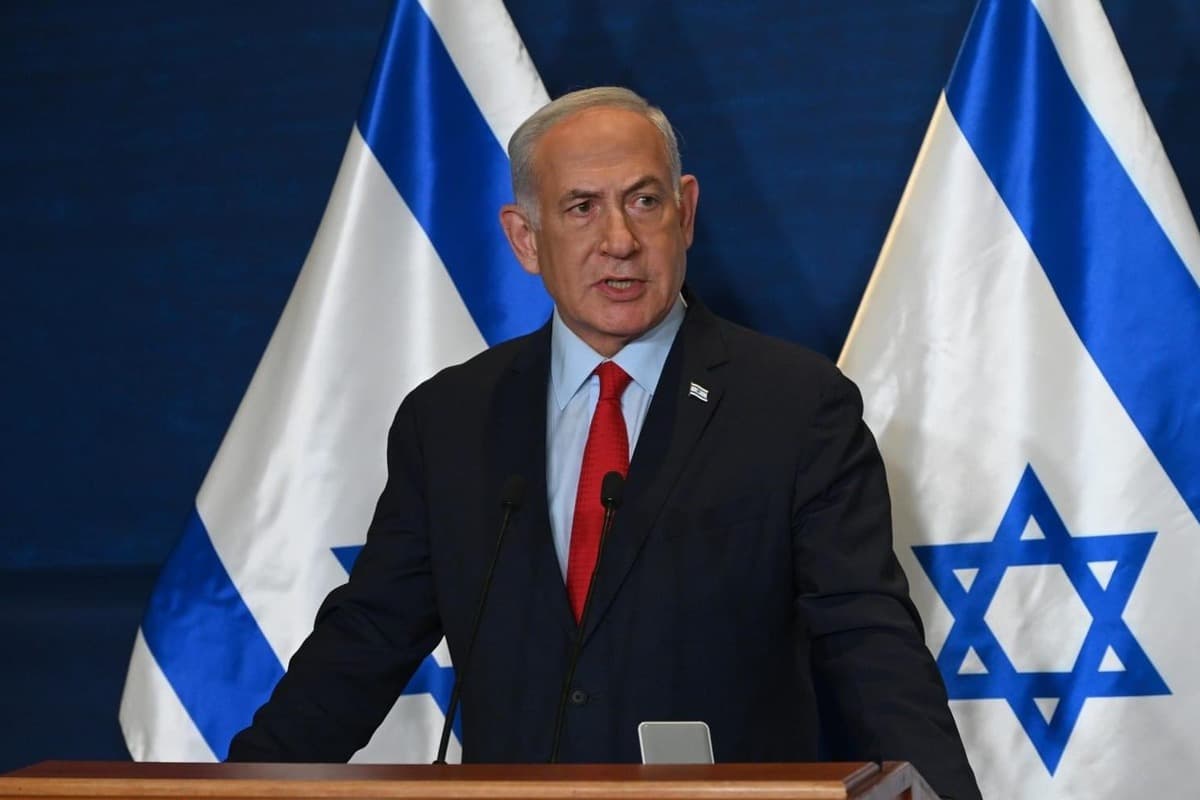
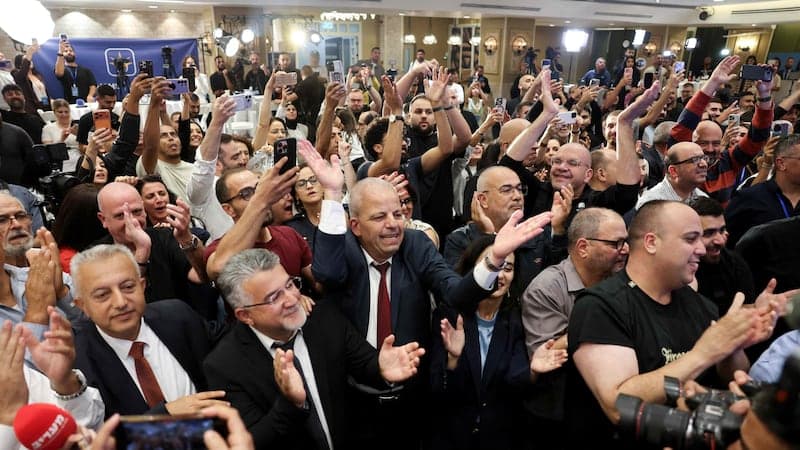
The Joint Arab List — an alliance of predominantly Arab parties in Israel — said on Wednesday, October 28, that the massive turnout of Arab voters in Tuesday's election prevented Prime Minister Benjamin Netanyahu's bloc from winning a parliamentary majority. According to Anadolu, in the statement the alliance described the preliminary figures as evidence that turnout played a decisive role in Netanyahu and his 'fascist camp' failing to secure the 61 seats needed for a majority.
Results and the balance in the Knesset
After all regular ballots were counted, Netanyahu's bloc is projected by Channel 12 to win 53 seats, the opposition bloc led by former Chief of Staff Gadi Eisenkot 48, and the Arab parties 19. Neither of the two main blocs reaches the 61 seats out of 120 in the Knesset. The Joint Arab List is projected to win 12 mandates as expected, and the Joint Arab List–Ra'am seven; together 19 seats, up from 10 in the 2022 election.
The alliance's plans and uncertainty over the outcome
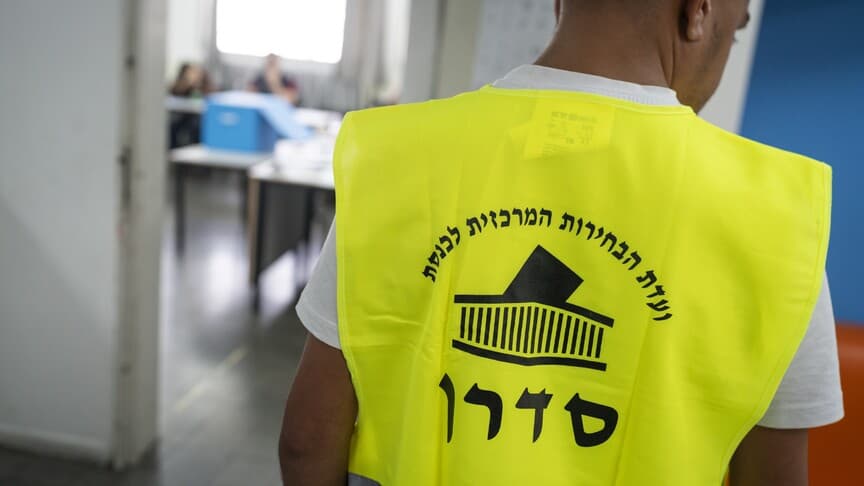
The alliance said voters responded to incitement and intimidation at the polls by rejecting a 'government of executioners' with its policies of home demolitions, racism and war crimes, and pledged to work toward removing Netanyahu's government and preventing its return. It expressed readiness to cooperate toward an alternative government, noting that for this opposition figures must offer a real alternative to the government's policies, not exclude Arab citizens and their representatives, and commit to their rights. At the same time, the alliance itself stressed that the final election results have not yet been announced: more than 500,000 special 'double envelopes' — votes from soldiers, diplomats and other voters outside their home precincts — remain to be counted, which could change the distribution of seats. More than 7.3 million Israelis were eligible to vote in the election; it is the first election since the start of Israel's war in the Gaza Strip in October 2023, which Anadolu characterizes as genocidal.