The key facts
- According to C14, the alleged deal provides for a rotation: two years for Netanyahu, then Eisenkot, with a pardon for Netanyahu in the corruption cases
- Herzog's office categorically denied the report, calling it a 'complete lie'
- Preliminary results: Netanyahu's bloc — 53 seats, Eisenkot's opposition — 48, Arab parties — 19; no one has a majority of 61 seats
Report of a possible deal and the denial
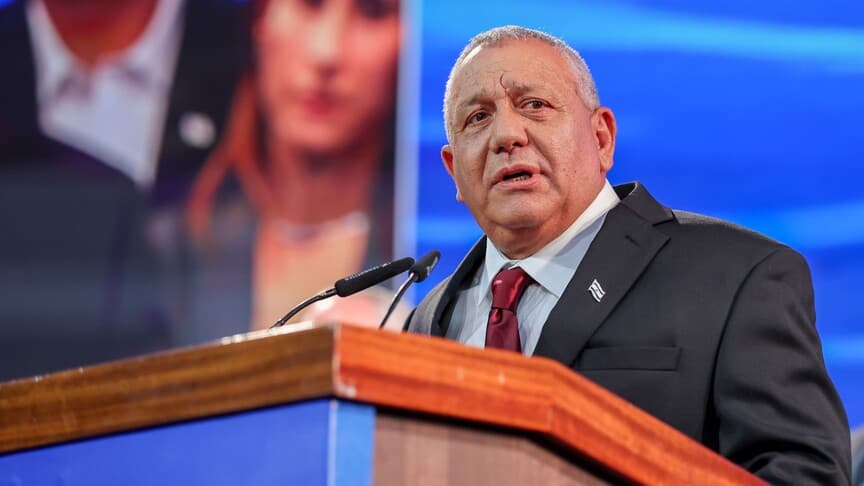
The Israeli television channel C14 reported that after Tuesday's parliamentary elections, which gave no bloc a majority, an agreement on a power-rotation arrangement is being worked out: Prime Minister Benjamin Netanyahu would lead the next government for two years, after which he would hand the post to opposition leader Gadi Eisenkot, and in return would leave politics and receive a full pardon in the corruption cases pending against him. According to the channel, President Isaac Herzog has been promoting such a scheme for about two years — long before the election campaign and the announcement of results. This is also reported by the Anadolu agency, citing Israeli television.
What is reported about the details of the scenario
According to the C14 publication, we are talking about a coalition government with a rotation of prime ministers, in which Netanyahu would take the post first. The channel notes that Netanyahu would likely insist on leading the cabinet for the first two years and continuing to work together with US President Donald Trump. The channel links the feasibility of the scenario to the current distribution of seats in the Knesset being preserved; the final configuration of the government depends on the results of the vote count.
The official denial
The office of the President of Israel categorically denied the report, calling it a 'complete lie' and stating that 'this never happened' and that it does not engage in speculation about the procedure for tasking someone with forming a government. According to it, the official election results will be presented to the president only next Wednesday, after which Herzog, within his constitutional powers, will begin consultations with the parliamentary factions. Thus, at this point, the existence of such a deal is confirmed only by an essentially anonymous report from the television channel and is denied by the very party to whom it is attributed.
Context: uncertain election results
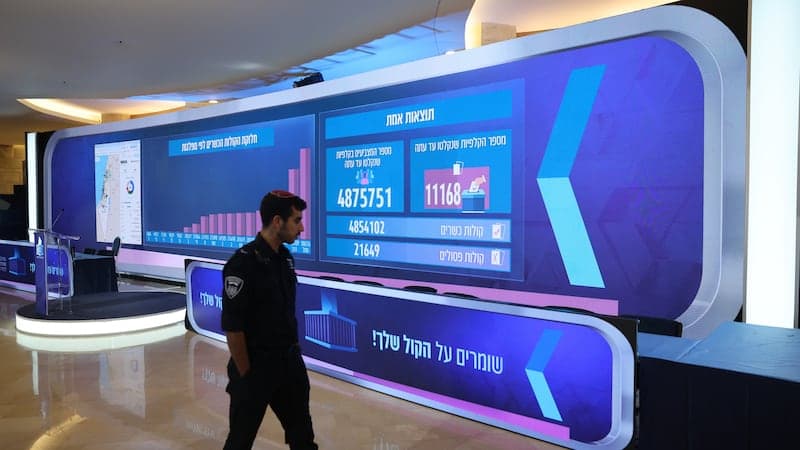
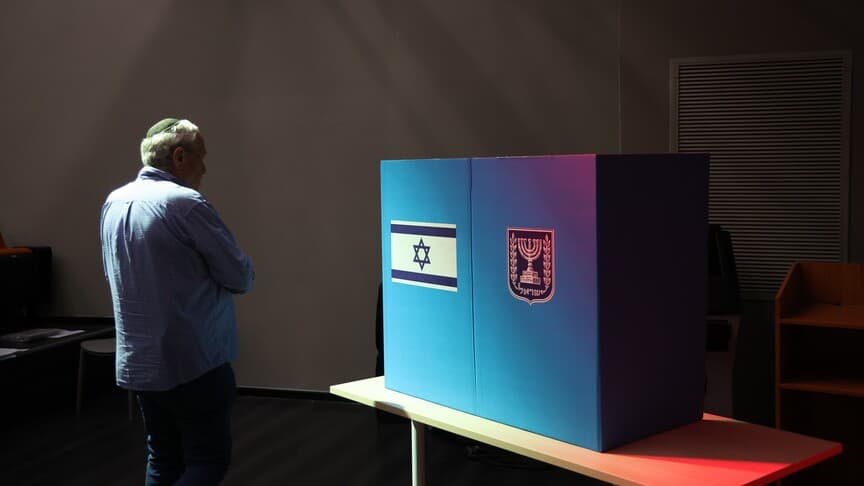
Preliminary results announced on Wednesday evening with 85% of votes counted (excluding special ballots) give Netanyahu's bloc 53 seats against 48 for the opposition bloc led by Eisenkot, leader of the Yashar party; the Arab parties receive 19 seats (Channel 12 data). Neither side reaches the required 61 seats out of 120 in the Knesset. The count continues, including special envelopes from soldiers, prisoners, diplomats and hospitalized voters. Turnout was 77.7% — 7.1 percentage points higher than in the 2022 elections and the highest since 1999 (data from the Central Elections Committee). Earlier, as reported by Life.ru, Herzog called on the parties to prevent repeat elections and to negotiate a coalition with a readiness for compromises after Likud became the largest party in the Knesset.
What else remains uncertain
Beyond the uncertainty over the seats, the report of the deal has not been confirmed: Herzog's office denies it, and the final election results and the decision on who will be tasked with forming a government will not be known before next Wednesday. Separately, Anadolu recalls that Netanyahu has led a government widely described as the most right-wing in Israel's history since 2022, is on trial on charges of bribery, fraud and breach of trust, and is also sought by the International Criminal Court on suspicion of war crimes in the Gaza Strip.