The key facts
- Experts at The National consider a new strike on Iran highly likely after the US midterm elections
- Netanyahu claims Iran continues work on a nuclear bomb
- Analysts doubt that air power alone could change the Iranian regime
Elections strengthen the scenario of a new strike
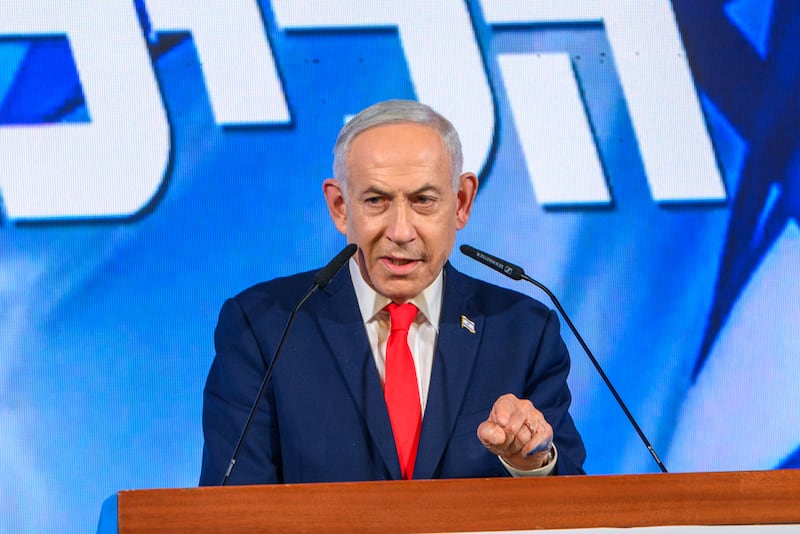
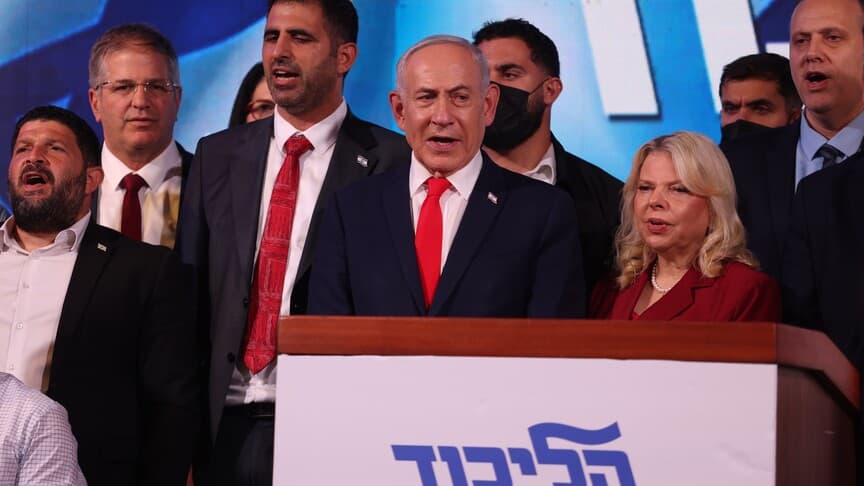
A renewed attack on Iran after the Israeli elections is becoming 'highly likely', experts said in an interview with The National: a coordinated strike together with the US could begin after the US midterm elections, which will take place next week. The election victory, analysts believe, gave incumbent Prime Minister Benjamin Netanyahu additional motivation to try to topple the Tehran regime, although, as former British military intelligence officer Linette Nusbacher noted, there is 'no strategic reason for Israel's national security' to resume the war — the goal would be 'party-political'. According to her, judging by the vote, voters still consider Netanyahu the best leader in the event of war.
The motives of Washington and Tel Aviv
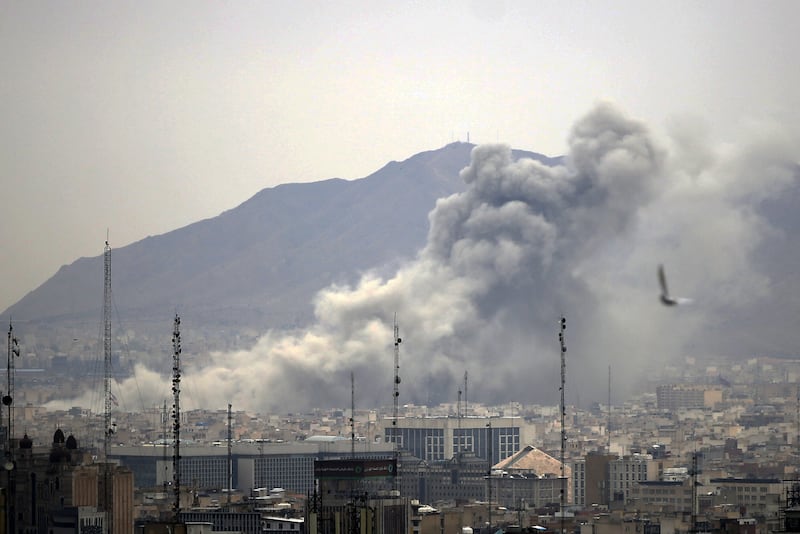
Jerusalem-based geopolitical analyst Kalev Ben-Dor believes that after the midterm elections a strike is 'highly likely'. The motivation for Donald Trump, he said, is that Iran 'believes it has won the war', demands reparations and partially controls the Strait of Hormuz, driving up world oil prices; in addition, the US president will want to secure a tough agreement on the nuclear programme. 'Netanyahu is motivated to finish the unfinished job, but there are many moving parts there,' Ben-Dor added. Richard Pater, director of the British-Israeli think tank Bicom, noted that before and after the elections, which produced no clear result, Netanyahu demanded in 'unequivocal terms' that, in the event of a new operation, the army achieve regime change. The question also arises whether a transitional government can authorise an attack and whether the army would support it: 'If we struck Iran for 38 days and the regime survived, what do we hope to achieve now?' said an Israeli security source.
The limits of the military scenario
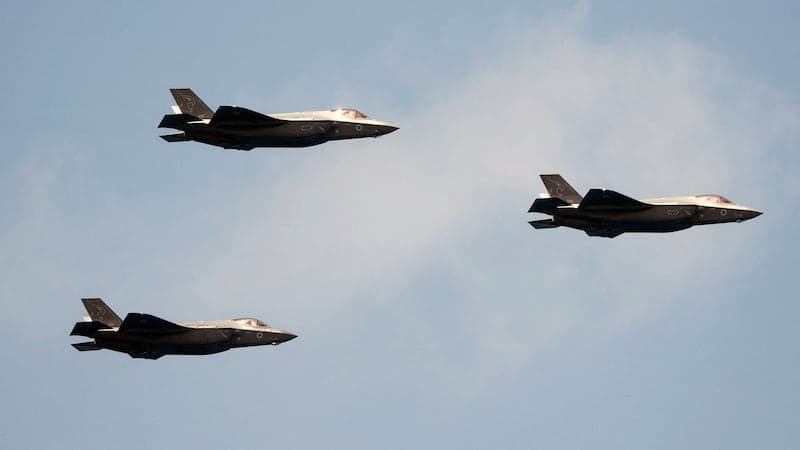
Experts point out that any war must have 'achievable goals', and before a strike, consultation with the Persian Gulf states will be required, whose infrastructure could come under Iranian rocket fire. In Nusbacher's view, air power alone is unlikely to bring about a change of power: 'They will not make people change their government, and the Iranian state is built precisely to withstand an attack of this kind.' There are no signs that the Iranian conservatives are ready to give up, and the US lacks the political willingness to bear heavy losses in a ground operation. Pater also warned against a 'mowing the grass' operation — pinpoint strikes on uranium enrichment and missile infrastructure — since there is no evidence that this would lead to economic collapse: 'It did not bring people out onto the streets; much better coordination is needed.' For now, negotiations on a new Israeli government are only beginning, and the likely outcome is said to be a national unity government of right-wing Zionist parties — which, according to The National, would push into the background the record representation of Arab deputies and the idea of a coalition with anti-Netanyahu parties.