The key facts
- Viktor Orban and Geert Wilders congratulated Netanyahu, while Marine Le Pen and a number of other allies remained silent
- Experts link the caution to the French presidential race and the 'radioactivity' of Smotrich and Ben-Gvir
- The right-wing alliance began gaining strength in 2025, when Likud became an observer in the Patriots group of the European Parliament
- The right-wing alliance began gaining strength in 2025, when Likud became an observer in the Patriots group in the European Parliament
Restrained congratulations and silence
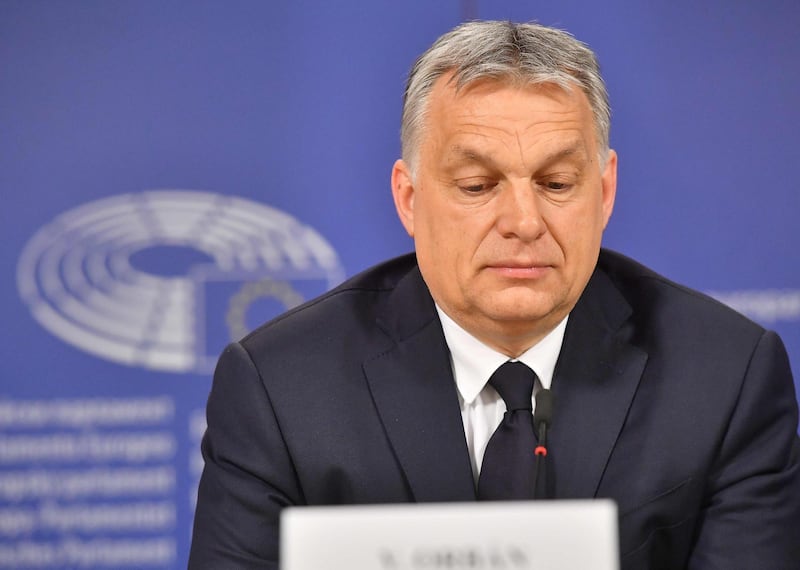
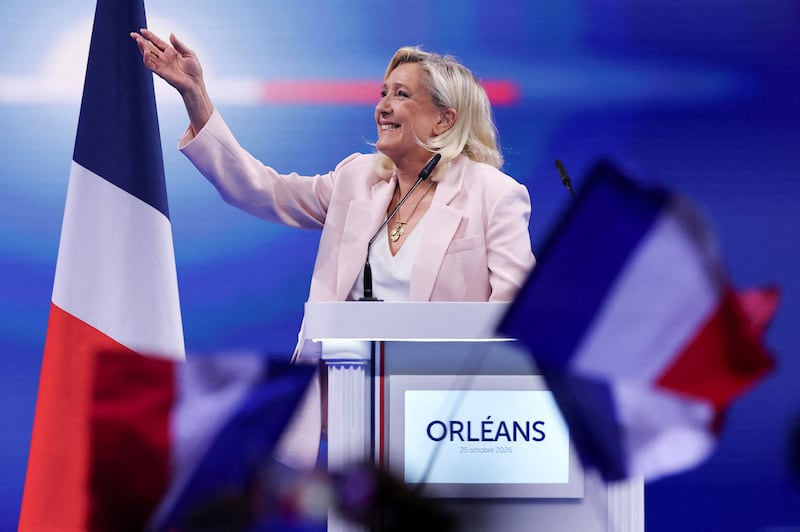
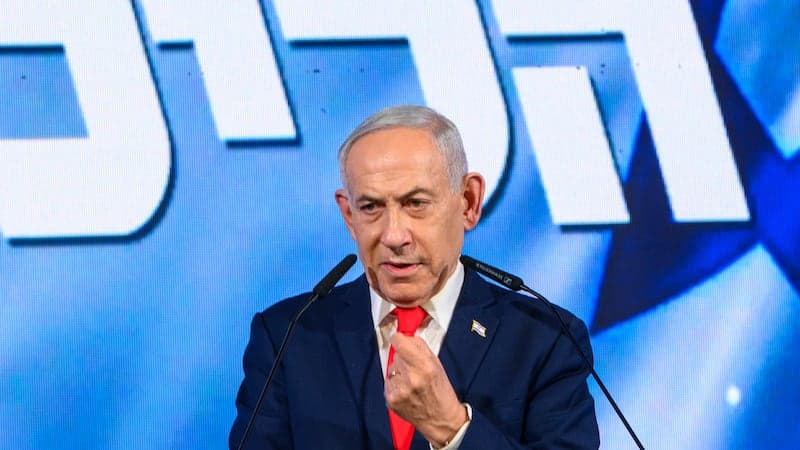
Far-right European politicians whom Israeli Prime Minister Benjamin Netanyahu has backed in recent years reacted coolly to the results of Israel's election: some praised his result, which turned out stronger than expected, while others stayed silent. The National reports this. The Dutchman Geert Wilders wrote 'CONGRATULATIONS, BIBI' in capital letters on X, while Hungary's former prime minister Viktor Orban said Netanyahu had 'once again refuted all forecasts, exceeded all models and proved… his critics wrong.' At the same time, a significant share of his allies, including Marine Le Pen — whom the outlet assesses as the likely next president of France — are keeping quiet.
Why Le Pen is silent
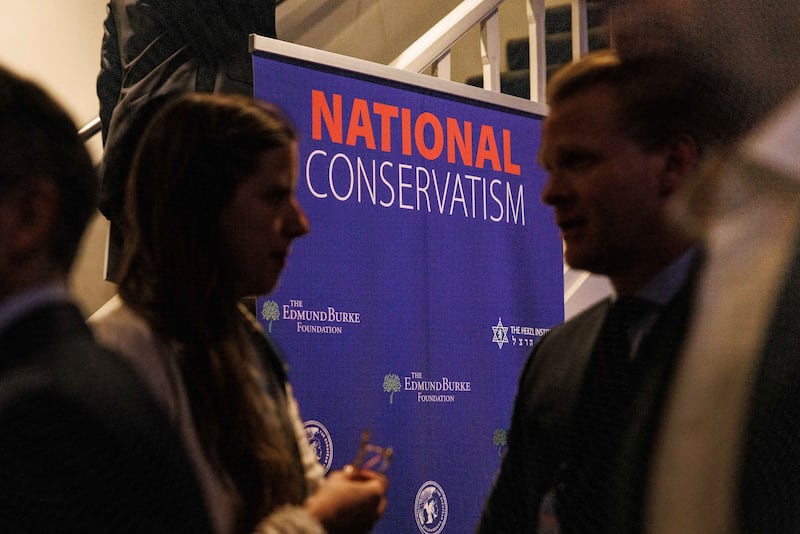
Jean-Yves Camus, an expert on the French far right and antisemitism, named several likely reasons for Le Pen's silence to the outlet: the presidential race she hopes to win in April lies ahead, as well as the 'radioactivity' of Netanyahu's allies — Bezalel Smotrich and Itamar Ben-Gvir. In early October, Le Pen's National Rally party had already skipped a meeting of national conservatives in Jerusalem attended by American and European right-wing figures. 'With the French presidential election approaching, the National Rally may have decided it was better not to get too involved in the Israeli election. They probably didn't want social media photos with Israeli figures who are becoming genuinely controversial,' Camus said. The AfD party, which has not built the same ties with Israel, also showed little interest in the Israeli election.
How the alliance took shape
The alliance began gaining strength in 2025, when Netanyahu's Likud was admitted to the Patriots group in the European Parliament as an observer; the Austrian Freedom Party, founded in 1956 by an SS brigade commander, celebrated a 'paradigm shift' showing that the party was no longer a pariah. Its representative Harald Vilimsky, who attended the Jerusalem conference, congratulated Likud and called the result 'a clear rejection of the challengers,' even though neither camp won an outright majority. Marek Matusiak, a researcher at the Polish Centre for Eastern Studies, explains the mutual interest: 'Anti-immigrant and anti-Muslim rhetoric is a narrow bridge on which both sides meet.' Good relations with Israel help right-wing parties 'fend off accusations of antisemitism, extremism and nationalism,' he noted.
The practical side of the alliance
The alliance also brought concrete dividends: Israel's allies in Brussels helped block pro-Palestinian initiatives, and Hungary under Orban vetoed EU sanctions. Netanyahu reciprocated, praising Orban's 'courage and wisdom' during the Hungarian campaign. Orban lost that election, but Israel soon gained a new ally — Slovenian Prime Minister Janez Jansa: the defeated Robert Golob accused 'foreign services' of interference after reports of a secret Israeli visit. The outlet calls Netanyahu's latest contribution his praise of Le Pen: he said relations with France would improve if the National Rally won the presidential election.
Cracks in the relationship
The publication also notes a cooling on certain fronts. In June, Le Pen said that disarming Hamas was a step toward the 'creation of a sovereign state' of Palestine, effectively endorsing the two-state solution, which Netanyahu does not want. On the British right flank, Israeli right-wingers lost potential friends by taking Argentina's side over the Falklands: after a statement by the prime minister's son Yair that the islands belong to Argentina, Restore Britain leader Rupert Lowe said: 'You have enough problems in Israel, Netanyahu.' AfD, by contrast, criticized Chancellor Friedrich Merz for saying that Israel was bombing Iran, doing the West's 'dirty work,' and warned against escalation. Supporting the German far right remains too delicate for Israel for now: the minister for combating antisemitism, Amichai Shikli, called AfD's views on the Nazi era 'alarming,' but added that party leader Alice Weidel is 'more reasonable.' In Matysiak's view, if AfD continues to achieve success, official relations will probably be established sooner or later — unless the party says 'something utterly outrageous' about the Holocaust and history.