The key facts
- In 10 countries, a majority is concerned about the climate, but achieving carbon neutrality by 2050 ranks among the lowest priorities
- In 10 countries, majorities are concerned about climate, but achieving carbon neutrality by 2050 ranks among the lowest priorities
- In the Netherlands, 54% believe environmental policy has worsened the situation of ordinary people
- In the Netherlands, 54% believe environmental policy has made ordinary people worse off
- Expanding clean energy is the most popular way to lower energy bills in 8 of 10 countries
Distrust of policy while climate concern persists
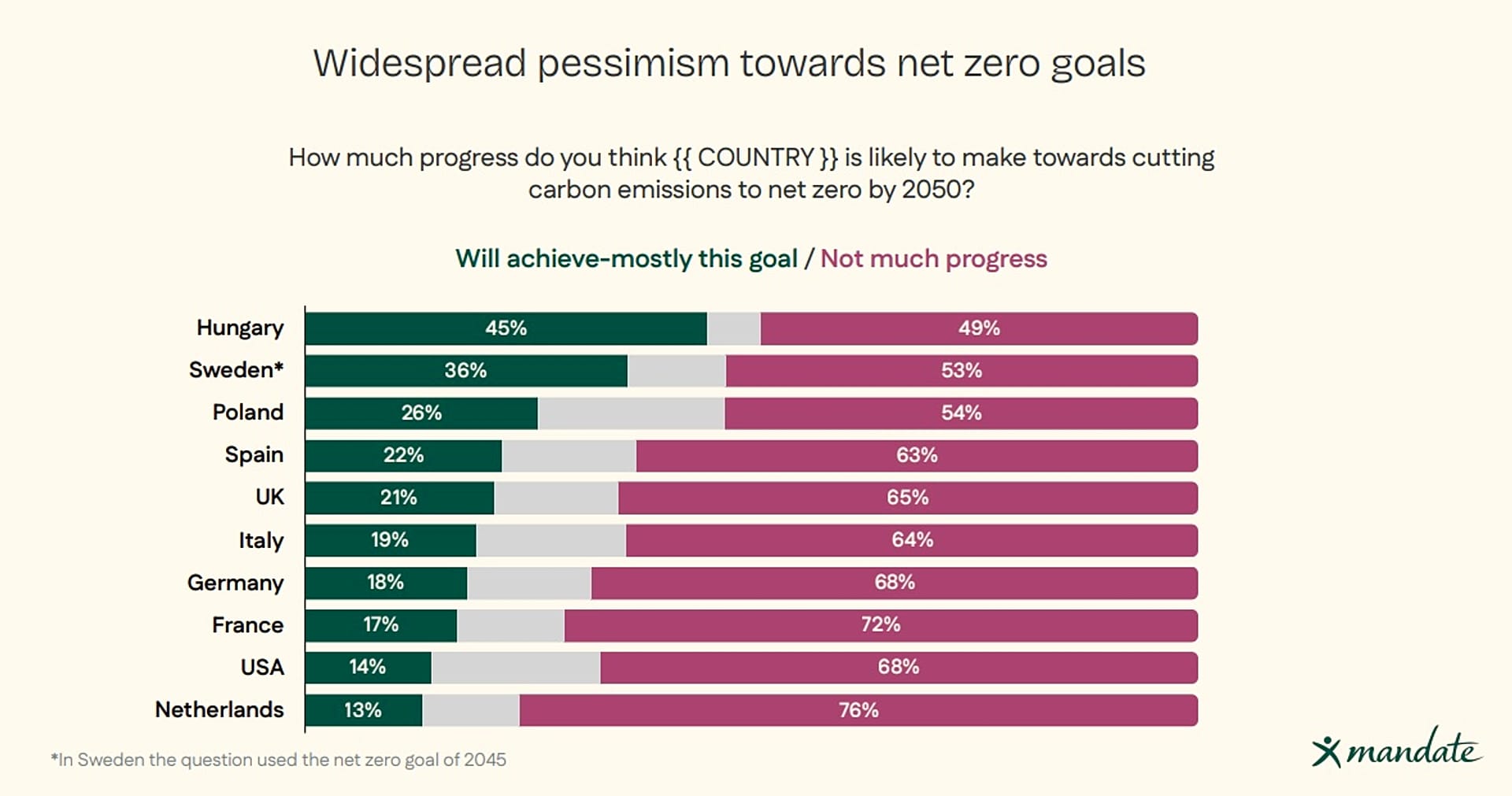
An international survey commissioned by the British consulting firm Mandate Research has revealed a growing gap: people in Europe remain concerned about climate change, but increasingly doubt that current climate policy improves their lives. Euronews reports this. The survey covered ten countries — the United Kingdom, Germany, France, Spain, Italy, Poland, the United States, Sweden, the Netherlands and Hungary. In all ten, a majority expressed concern about the climate, yet achieving carbon neutrality by 2050 ranked among respondents' lowest climate priorities.
The green transition is seen as a financial burden
According to the survey, significant shares of respondents believe environmental policy has made ordinary people's lives worse: 54% in the Netherlands (versus 12% who think it helped), 46% in Spain, 45% in Germany and France, and 44% in Hungary. Between 49% and 76%, depending on the country, consider real progress toward carbon neutrality by 2050 unlikely. At the same time, voters are not demanding a retreat from climate measures: renewable energy is popular when presented as a way to cut bills and dependence on imported fossil fuels. Expanding clean energy was named the most effective way to lower energy prices in eight of the ten countries — ahead of boosting fossil fuel production or importing oil and gas from Russia. In Hungary, 64% believe switching to renewables will reduce bills (22% disagree), in Italy — 55% versus 22%. Imogen Lirmuth, head of Mandate Research's quarterly research program, noted that voters view climate through the lens of 'national security, household survival and national sovereignty.'
Protests and pressure on Brussels
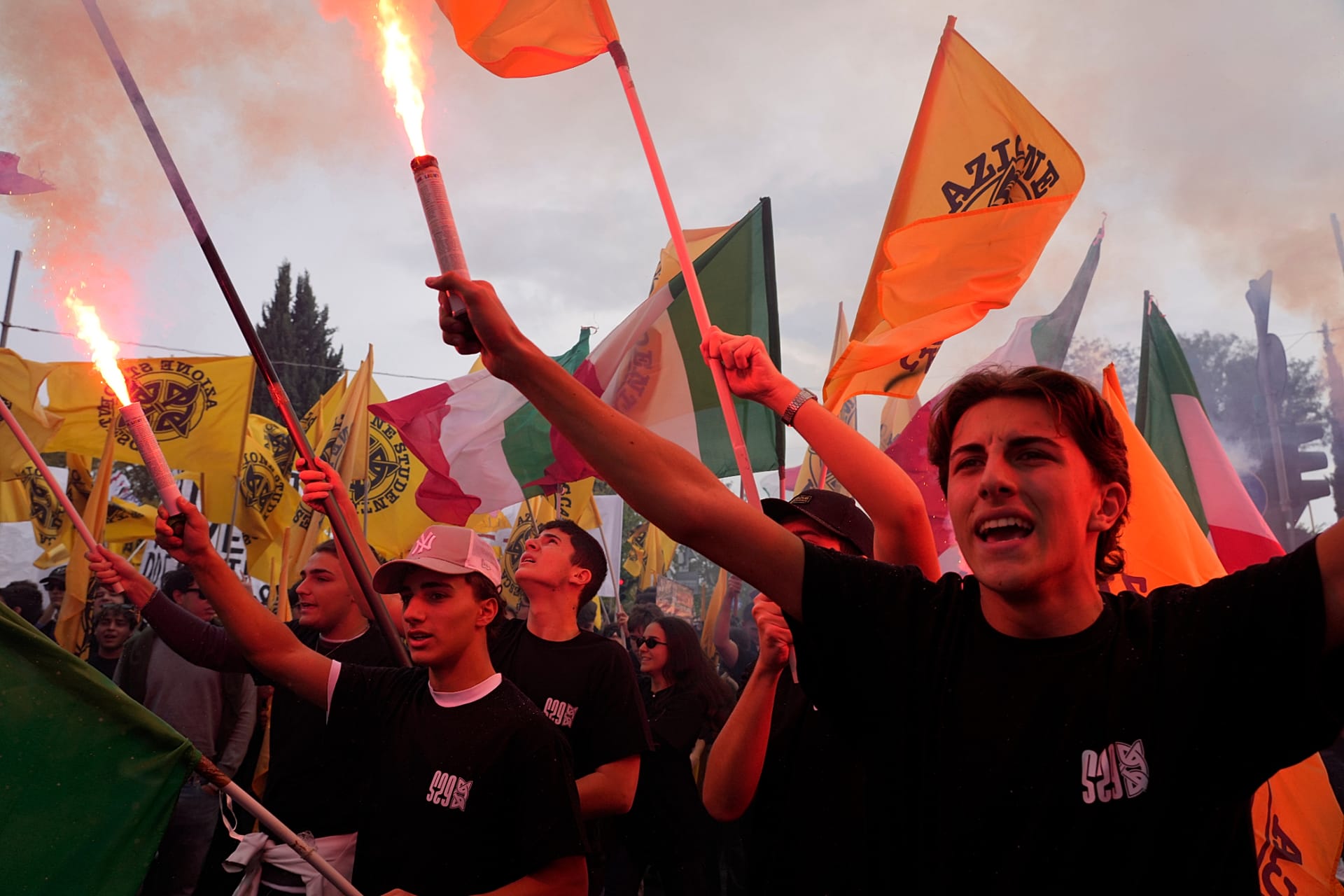
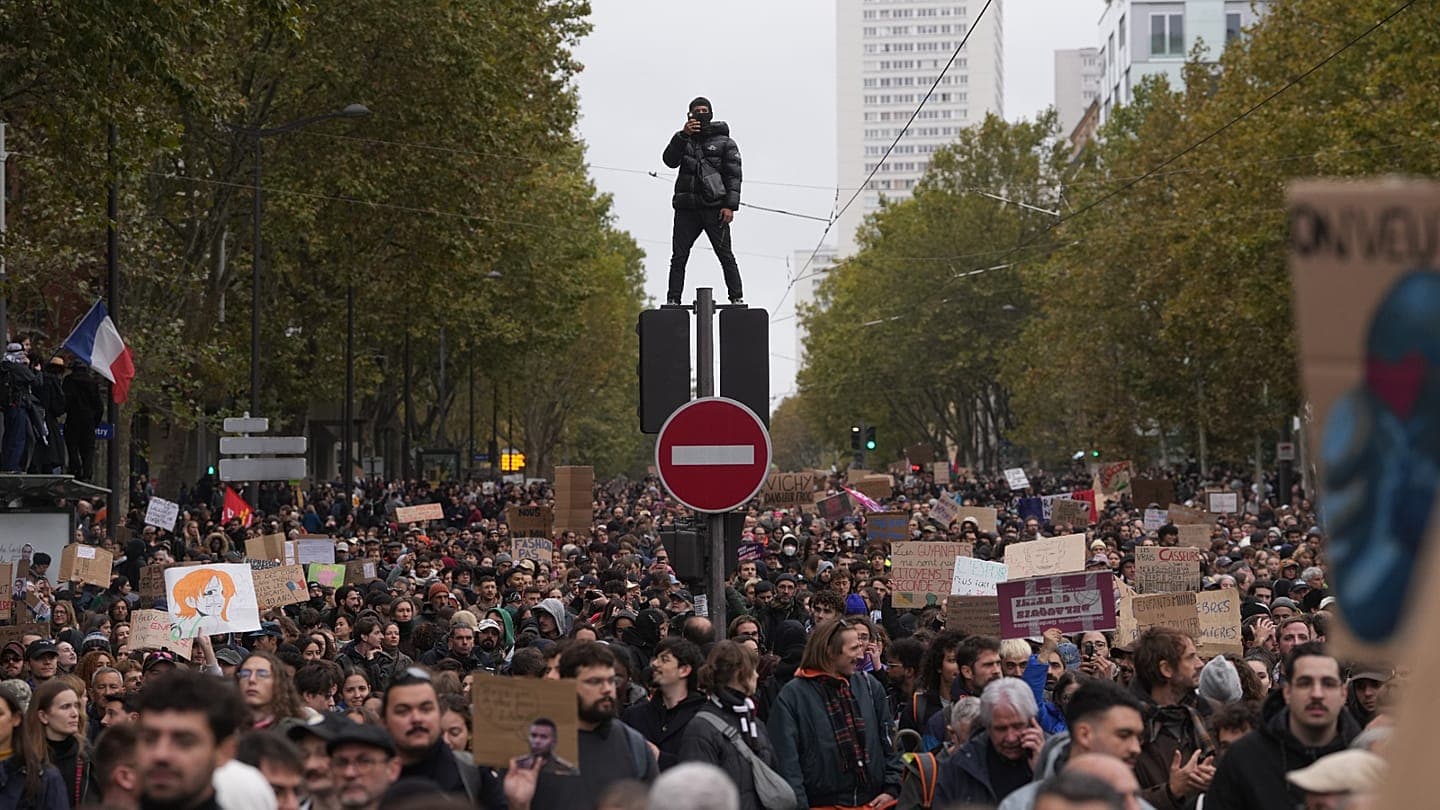
The survey comes against the backdrop of mass protests over the cost of living in European capitals, including Paris, Brussels, Rome and Lisbon, amid an energy crisis. Euronews notes that climate-skeptic politicians may exploit this discontent to weaken targets and delay deadlines. Tension is already visible in Brussels: at the October 15–16 summit, EU leaders called for additional short-term measures against high energy prices and asked the European Commission to reconsider the impact assessment of the second emissions trading system, ETS2, which from 2028 will extend carbon pricing to fuel for buildings and road transport. Several governments, led by Italy and backed by the Visegrad Group and Greece, are pushing to postpone the scheme until at least 2030, arguing it will increase pressure on households and small businesses; Nordic countries warned that weakening the system would undermine predictable investment conditions. In the end, leaders requested an updated assessment rather than agreeing to another delay.
The debate over the post-2030 framework
On Thursday, as the survey was released, EU energy ministers discussed energy efficiency, electrification and interconnection targets beyond 2030 — as part of negotiations on the bloc's future energy and climate architecture, which includes an emissions reduction target for 2040 and climate neutrality by 2050. Swedish minister Ebba Busch said that an ambitious transition while keeping industry competitive and prices reasonable requires a 'paradigm shift', and warned against micromanaging specific energy sources. Cyprus's minister Michalis Damianos stressed that the framework 'will only work if the targets are realistic, mutually consistent, adequately funded and easier to implement'. France and 14 other members of the 'Nuclear Alliance' advocate a technology-neutral approach with equal recognition of nuclear power and renewables; Spain, Portugal and Luxembourg are pushing for a separate renewables target, while climate activists demand binding targets and stricter oversight. Despite their disagreements, most governments agree that investment in renewable generation, grids, storage and electrification reduces vulnerability to fossil fuel price shocks — but such investments take time, and households may only feel the benefits years later. With a number of countries heading to elections next year, governments face a calculation: voters want cheap energy now, while measures to make it cheaper pay off over a longer horizon.