The key facts
- Peskov said that affordable Russian energy resources previously ensured the competitiveness of EU industry
- In his assessment, the European economy is experiencing stagnation, and the standard of living in Germany is changing
- Peskov called promises to never buy Russian energy resources short-sighted
Statement by the Kremlin spokesman
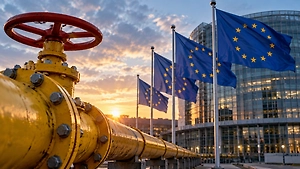
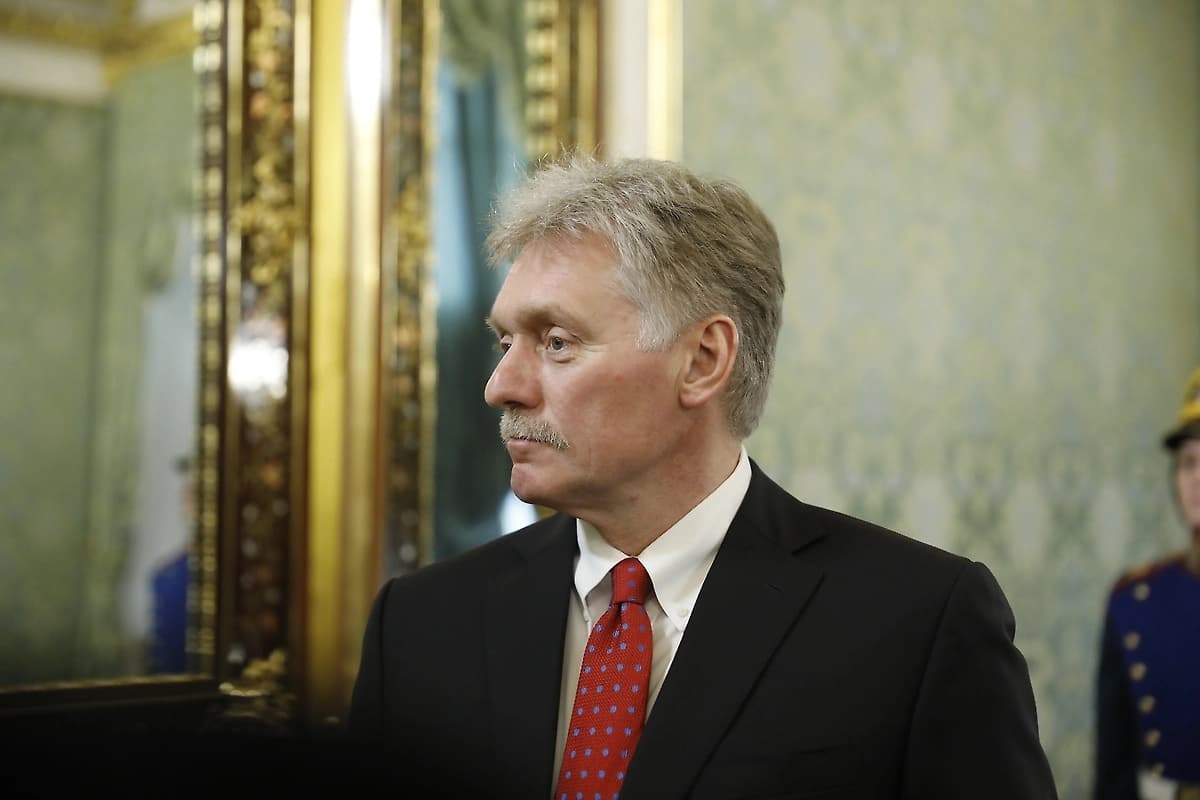
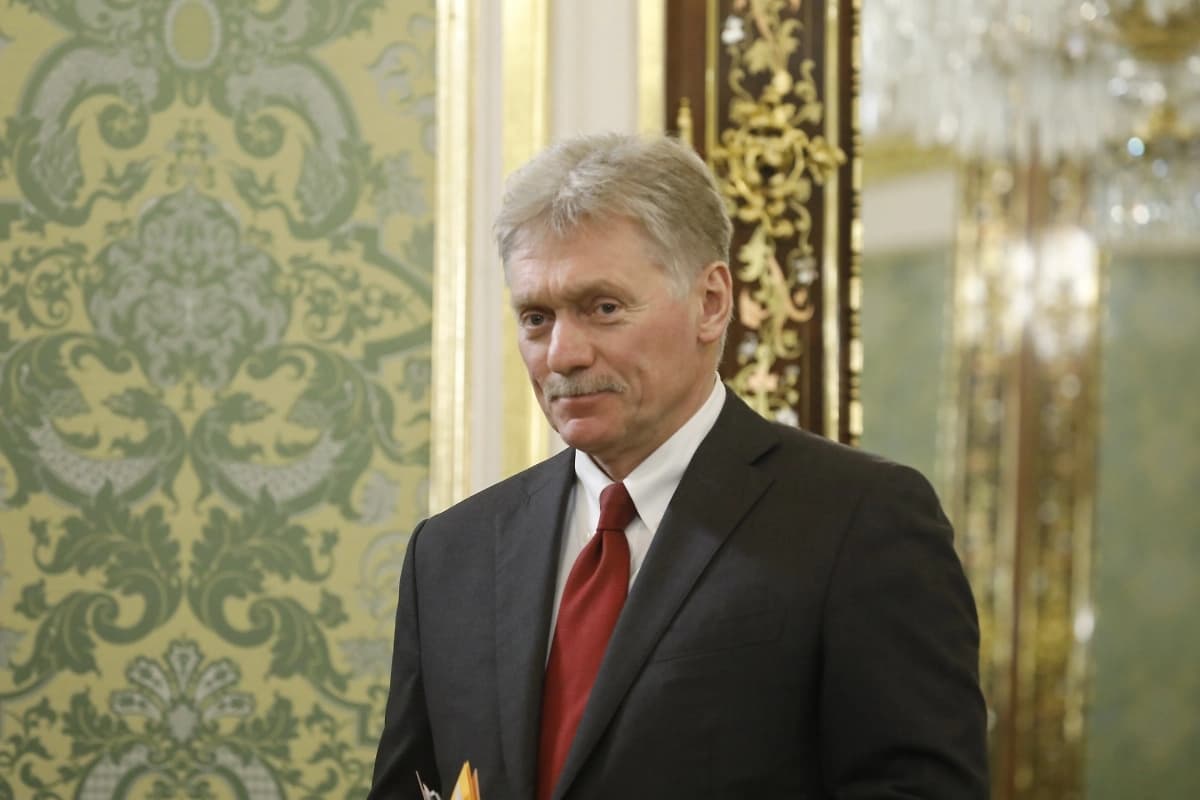
Press secretary of the Russian president Dmitry Peskov said that European countries are themselves undermining the foundation of their economic well-being, by refusing Russian energy resources. According to him, it was previously the affordable fuel supplies from Russia that largely ensured the competitiveness of EU industry, and now Europeans have to pay for their own decisions. He spoke about this in a conversation with Izvestia correspondent Viktor Sineok.
Assessment of the state of the European economy
Peskov characterized the state of the European economy as stagnation and noted that, in his assessment, the rejection of Russian gas became one of the factors that deprived European states of their former economic advantages. He compared the EU's energy policy to an attempt to saw off the branch on which Europeans themselves were sitting, and drew attention to the change in the usual standard of living of residents of Germany. 'Some German burghers are not very used to leaving their comfort zone, but now they have to,' the Kremlin spokesman noted.
The word 'never' in interstate relations
In Peskov's opinion, European politicians should not promise that their countries will never again purchase Russian energy resources. He called such statements short-sighted, emphasizing that the word 'never' is out of place in interstate relations.
Context: a World Bank warning and conditions for negotiations
The day before, Life.ru reported on a warning from the World Bank regarding a possible rise in gas prices after the European Union's rejection of Russian supplies: according to analysts, if alternative volumes are insufficient, European buyers will have to compete more actively for liquefied natural gas with other regions. Earlier, on October 26, Peskov named two conditions for resuming discussions on Russian gas supplies to the EU. Thus, the new statement by the spokesman continues the line he outlined a few days earlier and coincides in time with the World Bank's warning about risks to gas prices in Europe.