The key facts
- More than 13 EU countries, including Germany, Italy and Poland, demanded the removal of the provision on preferential taxation of electricity
- The dispute concerns not only taxes but also the European Commission's right to set common rules for calculating network tariffs without approval from member states and the European Parliament
- The Irish presidency expects a compromise on network charges in December
EU energy ministers challenged Brussels' tax plan
More than a dozen European Union countries opposed the European Commission's proposal to make electricity cheaper than gas through preferential taxation, warning that Brussels is overstepping its powers. At a meeting of EU energy ministers in Luxembourg, Germany, Italy, Malta, Czechia, Bulgaria, Slovakia, Finland, Romania, Croatia, Poland, Latvia, Estonia and Hungary spoke out for removing the contested provision, Euronews reports.
The essence of the dispute: taxes versus tariffs
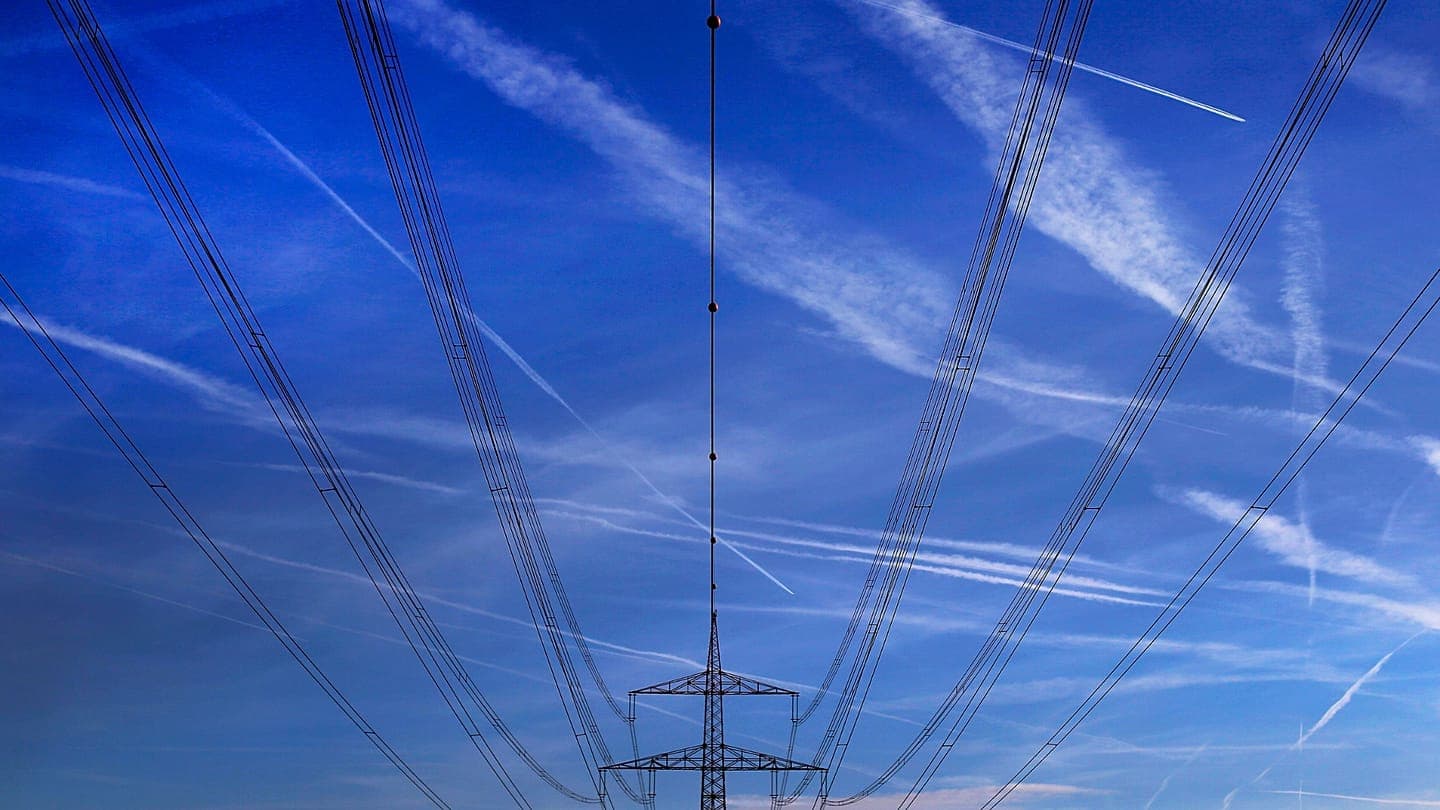
The proposal is part of the Commission's strategy to encourage households and businesses to switch from fossil fuels to electricity amid growing demand from industry, data centers, heat pumps and electric vehicles. At the same time, the costs of expanding and maintaining power grids are increasingly being passed on to consumers through their bills. The context is aggravated by the energy crisis, intensified by the US and Israel war against Iran: even before the conflict, European electricity prices were twice as high as American and Chinese ones, and at an informal summit in February, EU leaders promised to lower bills by making electricity taxation more favorable than that of natural gas.
Countries' objections and the Commission's position
The objections concern not only substance but also procedure: a number of countries insist that tax policy should be decided within the framework of the revision of the Energy Taxation Directive, which requires unanimity, rather than by qualified majority voting as the Commission proposes. The fiercest resistance was also provoked by the idea of giving the European Commission the power to set common rules for calculating network charges without new approval from member states and the European Parliament: Italy, France, Germany, Slovakia, Poland, Spain and Finland considered that this undermines the independence of national regulators, and the Finnish parliament formally concluded that the proposal violates the relevant principle. Energy Commissioner Dan Jørgensen said at the close of the meeting that the proposal 'makes a lot of sense,' citing an assessment by the legal services of the Commission and the Council that found it legally sound: according to him, the rule could deliver both an immediate and a structural effect in reducing electricity bills.
Balance of power and next steps
Positions in the Council are not unified: Spain, Denmark and Luxembourg supported the Commission, with reservations about flexibility for countries; France is looking for a middle path, proposing to tie the measure to special circumstances such as a gas crisis; and Luxembourg suggested replacing the contested provision with a general obligation to promote electrification. Sweden's Energy Minister Ebba Busch called for improving regulation instead of adding more bureaucracy, noting that due to significant differences between grids across EU countries there is no universal solution for tariffs. The Irish presidency, mediating the negotiations, said it wants to reach a compromise on network charges in December.