The key facts
- At the Montreal summit, the EU and Canada are promoting the wording 'ever closer association' instead of 'associated membership'
- Mark Carney's government has repealed a number of climate measures and is accelerating the approval of oil and gas projects
- According to Climate Action Tracker, the planned measures will cut emissions by only 14% against a target of 40–45%
From 'associated membership' to 'an ever closer association'
In September 2026, European Commission President Ursula von der Leyen proposed that Canada become the EU's first-ever 'associated member'. After objections from member states, primarily Germany, the latest draft of the joint declaration to be adopted at the EU–Canada summit in Montreal contains a more cautious formulation — 'ever closer association' ('an ever closer association'). Among EU countries there remains broad consensus on deepening cooperation with Ottawa in defence, critical raw materials, energy, trade and border protection. This is reported by Euronews.
The reversal of climate policy under Mark Carney
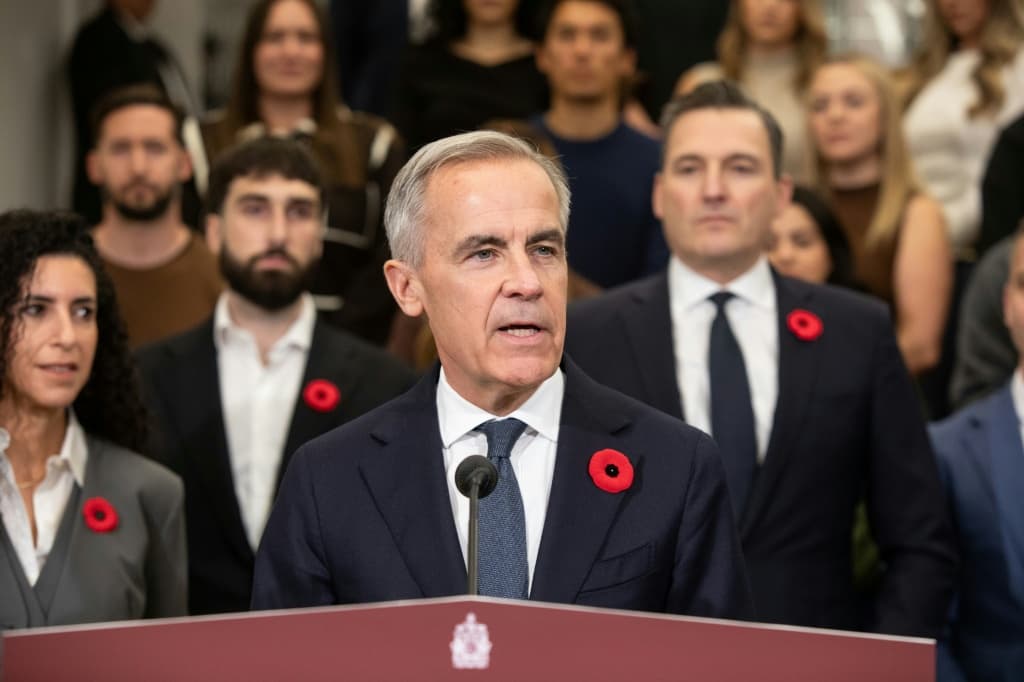
After coming to power in 2025, Prime Minister Mark Carney cancelled a number of emission-reduction measures: he abandoned the planned emissions cap for the oil and gas sector, scrapped the consumer carbon tax and the electric vehicle mandate, weakened industrial carbon pricing, softened standards against 'green' PR and sharply cut public transit funding. This is highlighted by the NGOs Climate Action Tracker and Environmental Defence. At the same time, the government has streamlined the approval of oil and gas projects: the Building Canada Act of 2025 allows projects to be designated as being in the national interest and exempts them from certain legal requirements, while a bill introduced in September 2026 provides for pre-approval of projects in special regions, a review period shortened to one year, and expanded powers for the federal minister to remove environmental conditions. Environmental organisations believe this weakens wildlife protection and public oversight.
The Pacific Link pipeline and LNG exports
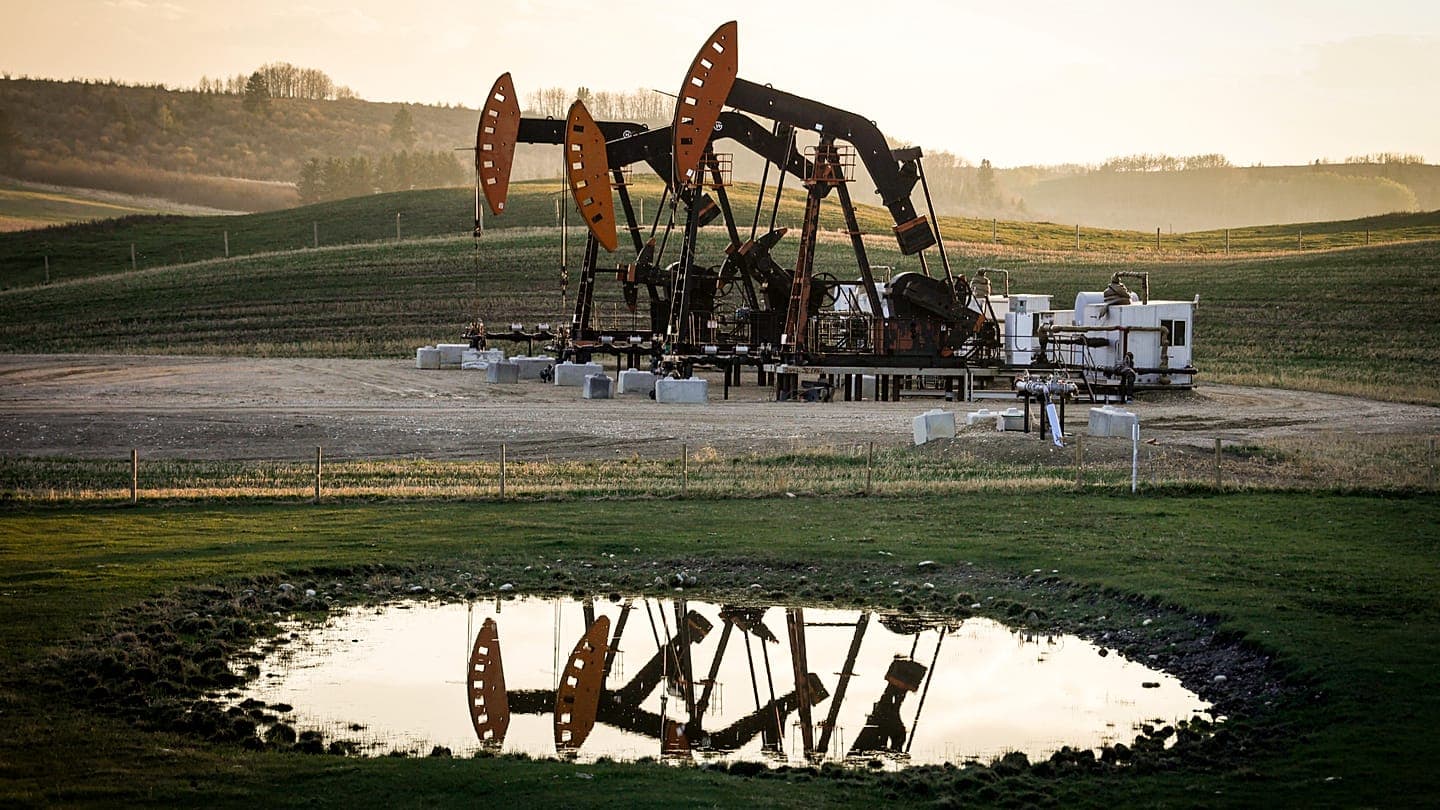
Among the priority projects is the Pacific Linkpipeline, which is planned to carry one million barrels of bituminous oil per day from Alberta to the Pacific coast of British Columbia. According to media reports, the project threatens the habitat of endangered orcas and could increase greenhouse gas emissions by up to 18.7 million tonnes. Ottawa's energy strategy also includes expanding LNG exports: the government supports plans to double the capacity of terminals on the west coast and has signalled its readiness to consider gas exports from New Brunswick if the province lifts its ban on hydraulic fracturing. Ahead of the summit, the parties are expected to present a feasibility study for long-term LNG supplies to Europe — as indicated by a document reviewed by Euronews.
Contradictions and unreachable targets
These decisions mark a notable departure from Carney's climate reputation: as Governor of the Bank of England, he warned about the financial risks of global warming as early as 2015, and later helped mobilise financial institutions around net-zero commitments. Critics also point to the ownership structure: according to a report by Canadians for Tax Fairness, the four largest oil sands producers are 60% owned by American investors, while LNG Canada is a joint venture of Shell, Petronas, PetroChina, Mitsubishi and Kogas. Esther Bollendorf, head of the fossil fuel phase-out programme at CAN Europe, called the rationale for LNG exports to the EU a 'dangerous distraction' from electrification based on renewable sources. Against this backdrop, Canada, it appears, will not meet its emissions commitments: according to Climate Action Tracker, the planned measures will cut emissions by only 14% against a target of 40–45%, while an analysis by the Canadian Climate Institute from September 2026 predicts the 2030 target will be missed, with the gap persisting into 2050.