The key facts
- Gazeta.uz published a translation of Václav Havel's speech of 28 October 1990
- Havel warned of rising nationalism and called on Czechs and Slovaks to show tolerance
- In 1992 he resigned, unwilling to preside over the country's breakup; the split took place on 1 January 1993
A speech delivered on the country's 72nd anniversary
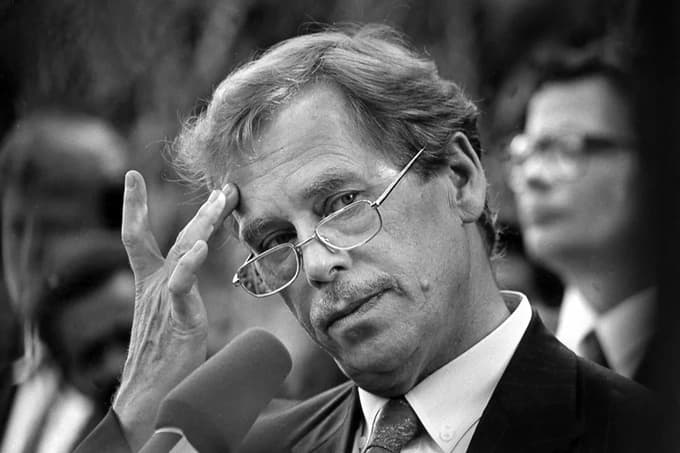
The publication Gazeta.uz, in its 'Tarixiy nutq' column ('Historic Speech'), has published a translation of Václav Havel's address to the citizens of Czechoslovakia dated 28 October 1990 — on the day of the state's 72nd anniversary. The translation from English was made by Muqaddamkhon Saidrasulova.
Context: from dissident to president
Havel entered politics as a playwright and dissident: during the communist years his works were banned and he himself was arrested several times. In November 1989, communist rule in Czechoslovakia fell as a result of peaceful demonstrations — since not a drop of blood was shed, the events came to be known as the 'Velvet Revolution'. On 29 December of that same year, Havel was elected president of the country.
A warning that came true
The address of 28 October 1990 was not limited to festive congratulations. Words were already being openly voiced in the country that Slovaks felt like 'second-class' citizens; in the spring of 1990 the dispute even extended to the writing of the state's name — Slovaks demanded a hyphen in 'Czecho-Slovakia', seeing it as a symbol of the equality of the two nations, and on 23 April the country was renamed the Czech and Slovak Federative Republic. In his speech, Havel called on the Czechs to rid themselves of their 'disdain' for Slovaks, and the Slovaks not to succumb to 'national demagoguery', and insisted that the issue was not a tug-of-war over powers, but making the political and economic system work for the benefit of all.
Dissolution and the 'Velvet Divorce'
The president's alarm proved justified. In July 1992, the parliament of Slovakia adopted a declaration of sovereignty; unwilling to preside over the disintegration of the state, Havel resigned. On 1 January 1993, Czechoslovakia split into two independent states — the Czech Republic and Slovakia. This separation, like the 1989 revolution, took place without bloodshed and went down in history as the 'Velvet Divorce'. Notably, in the speech itself Havel framed the task in the opposite way: to preserve the common state and prove to the skeptics the country's ability to 'govern its own affairs by itself' — the outcome of history diverged from his hope, as the publication states outright, calling the speech 'a warning addressed to two nations'.