The key facts
- Palmer Luckey said he will not leave California over the proposed wealth tax, even though other billionaires pressured him, demanding 'solidarity'
- By his estimate, he could owe about $3 billion from Anduril alone — 5% of the company's $61 billion valuation
- The initiative's sponsors say the funds will go to healthcare, education, and food assistance, including Medi-Cal
Luckey stays, despite the pressure
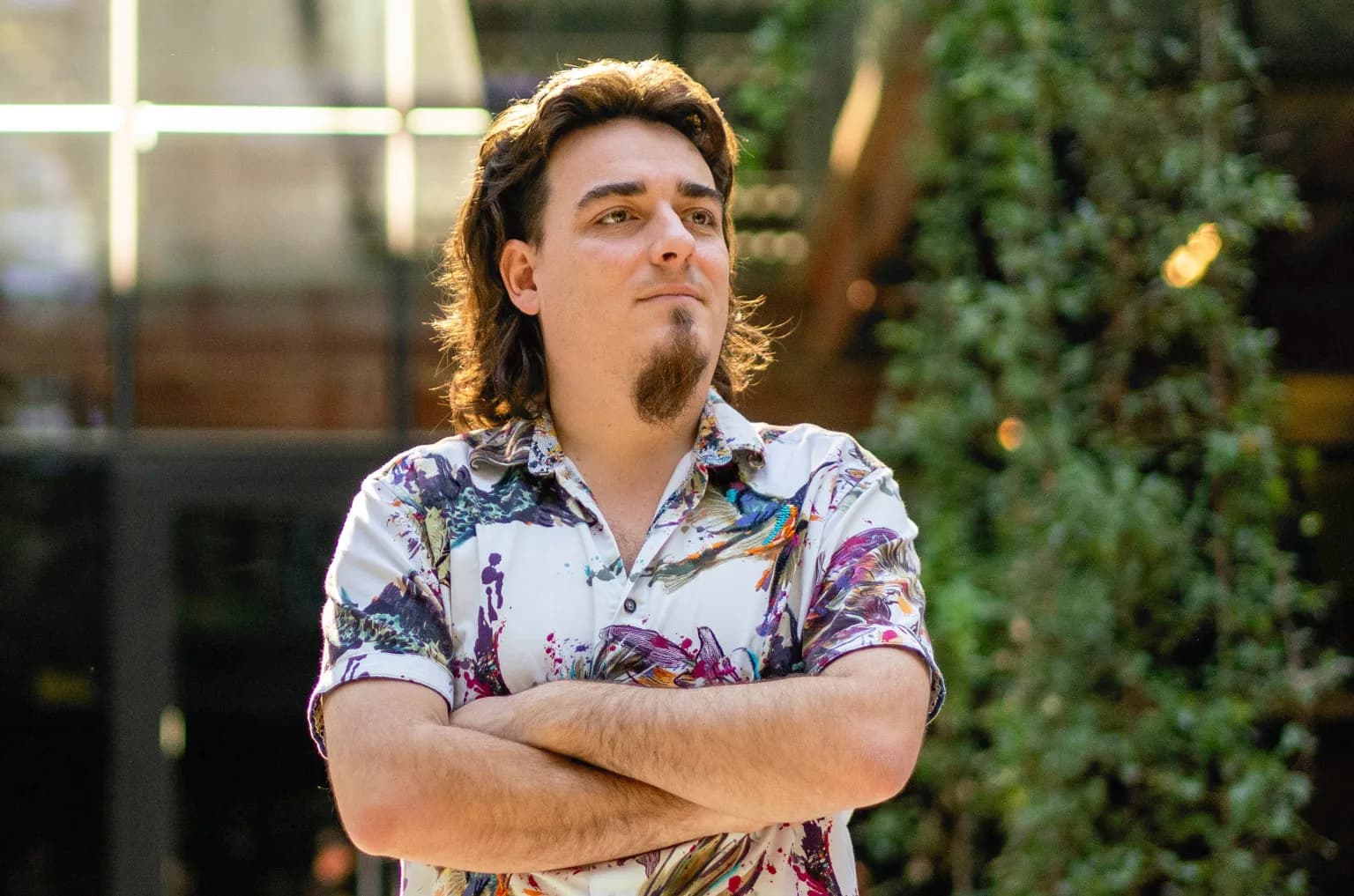
Palmer Luckey, founder of the defense company Anduril, who became a California billionaire at 21 after selling Oculus VR to Facebook for $2 billion in 2014, said he will not leave the state over the proposed wealth tax on its richest residents. He said this at a closed press conference on Monday, as reported by TechCrunch. Anduril, valued at $61 billion, is based in Costa Mesa, not far from Long Beach, where Luckey grew up.
The core of the dispute with the initiative
Luckey stressed that his objection is not to paying taxes as such, but to the fact that the initiative is sponsored by a specific union — a division of United Healthcare Workers — which, in his words, wants to use the collected funds 'for its own needs.' The measure's authors claim the money will go to healthcare, education, and food assistance programs, and explicitly name Medi-Cal, the health insurance program for low-income California residents.
A tax on control, not on property
Luckey's key concern concerns the valuation mechanics. The initiative taxes 'wealth,' including unrealized and illiquid assets, and penalties can reach 40%. According to the Tax Foundation, the draft treats a person with voting control over a company as owning at least an equal share of its equity: a founder with 40% of the votes but 10% of the ownership could be taxed as if holding at least 40%, and selling all shares might not cover the bill. The measure's drafters dispute this interpretation, noting that shares with enhanced voting rights are publicly traded assets that are valued differently.
Luckey's personal situation and the Alphabet example
Luckey explained that he has heavily diluted his stake by distributing shares to employees — they hold more of Anduril's equity than he does — but retained voting rights so that control does not leave the company. These rights apply only while he is a US citizen, lives in America, and runs Anduril, which makes sense for a defense contractor selling equipment to the US military. By his own estimate, he could owe 5% of $61 billion — about $3 billion — from this company alone. For comparison, TechCrunch cites Google co-founder Larry Page, who did leave California: he retains 27% of voting control in Alphabet, whose market value is just under $4 trillion.
What's next
Luckey said he hopes the initiative fails, and if it passes, he expects legal challenges: in his words, the retroactive 'seizure' of past and future wealth and the taxation of voting interests in one's own company are unprecedented. At the same time, he noted that other billionaires pressured him, demanding 'solidarity' and departure, but he refused to take part in this demonstration, because he believes the situation can be fixed: 'I'm staying. I think California is something special. I want to fight for California.'