The key facts
- Truce expanded to entire Kherson region; no violations reported by Tuesday evening
- The ceasefire, which began on Tuesday, has been extended to the entire Kherson region; no violations were reported by Tuesday evening
- 1,700–2,000 residents remain in Oleshky without food, water, or electricity; evacuation scheduled for Friday
- Truce organized by Melania Trump and Pope Leo XIV, lasting until 22:59 on November 1
- The ceasefire was organized by Melania Trump and Pope Leo XIV; it will last until 22:59 on November 1
Truce expanded to entire Kherson region
The truce, initially intended to open a route for humanitarian aid to the Russian-occupied Ukrainian city of Oleshky, has been extended across the entire Kherson region. This was announced by Melania Trump, who helped organize the agreement together with Pope Leo XIV. According to her, the truce zone has been expanded 'beyond Oleshky, within the Kherson region' to ensure 'safe passage' for humanitarian convoys. This was confirmed by the press secretary of the Ukrainian ombudsman and Alexander Tolokonnikov, deputy head of the Kherson region, who noted that shelling has ceased both in Kherson itself, which remains under Ukrainian control, and throughout the entire region. According to BBC News, no violations of the truce, which began early Tuesday morning, were reported at the time of publication.
What is happening in Oleshky
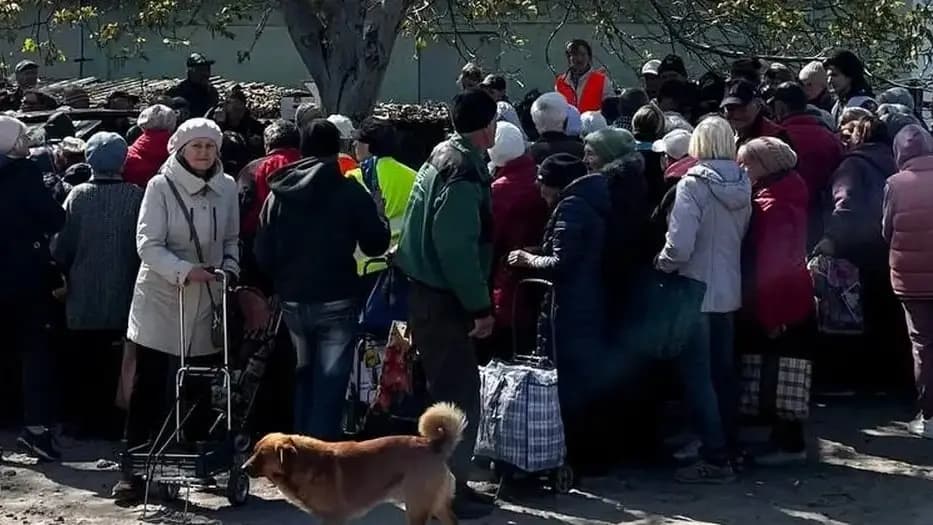
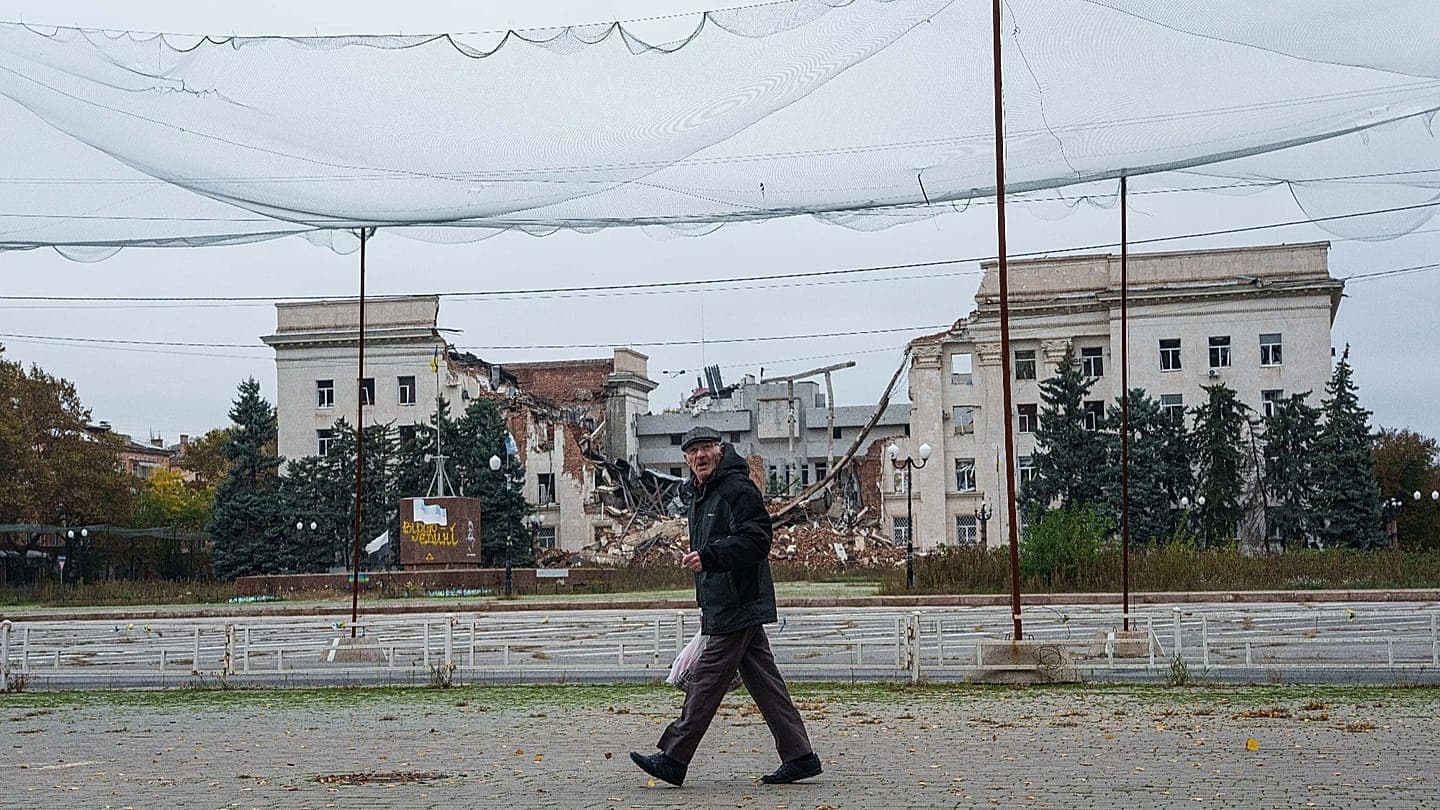
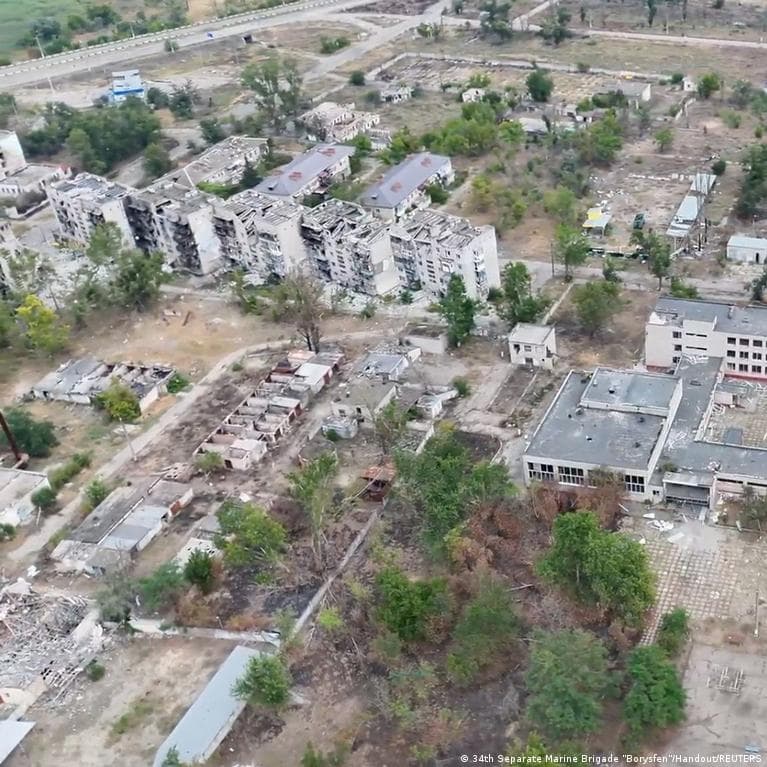
Oleshky, a city with a pre-war population of 24,000, was occupied by Russian forces in the first days of the full-scale invasion in February 2022. Estimates suggest that 1,700–2,000 residents remain in the city, with several thousand more in surrounding areas. There has been no electricity, gas, or water since the destruction of the Kakhovka Dam in 2023, when the area was flooded and people died in Oleshky itself. Shops are not operating, and residents, according to their accounts to the BBC, are forced to boil garden weeds to survive and are suffering from extreme hunger. Roads out of the city are mined and targeted by drones: one woman reported that she stepped on a mine and, after two surgeries in the hospital, fears she will not make it to the evacuation.
Plan: aid on Thursday, evacuation on Friday
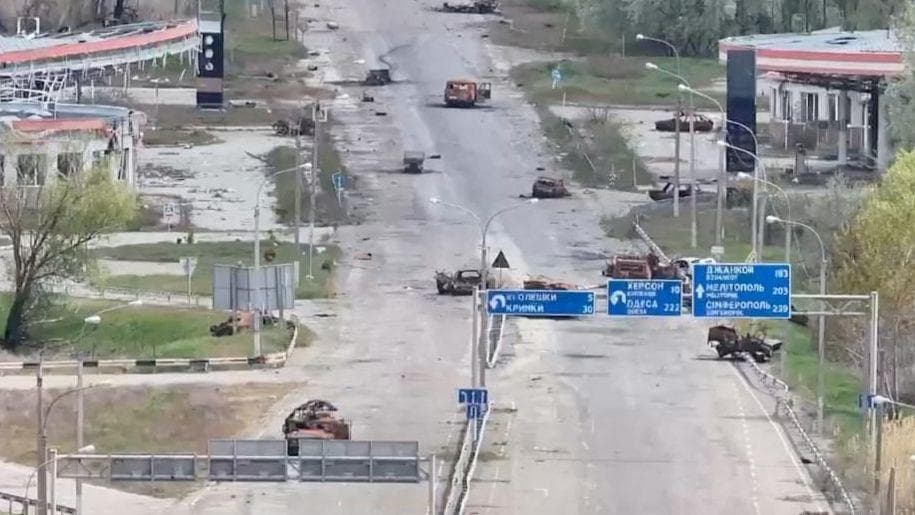
According to the agreement, the truce should allow roads to be cleared of mines to deliver aid to the city—possibly as early as Thursday—with evacuation of all willing residents scheduled for Friday. The Russian Ministry of Defense reported that units of the 'Dnipro' group are conducting 'engineering reconnaissance' and clearing access roads of explosive devices and tripwires. Many details of the evacuation remain unclear, and residents are afraid to share their names and addresses with officials; however, a local volunteer told the BBC that by Tuesday evening, around 500 people had expressed their desire to leave. Russian-appointed official Vladimir Saldo stated that temporary accommodation has been prepared within the region itself, in annexed Crimea, as well as in the Rostov, Krasnodar, and Stavropol regions, and claimed that most residents allegedly wish to remain in Russia—these statements have not been verified on the ground.
Where the routes lead: dispute over evacuation direction
The key issue is the direction of evacuation. Bridges over the Dnipro River have been destroyed, and the riverbank is mined, making crossing to Ukrainian-controlled territory appear impossible. President Volodymyr Zelenskyy warned that routes cleared by Russia mean that those leaving Oleshky 'will head to Russia and remain there'; he added that some residents will still manage to reach Ukrainian territory 'one way or another,' but ideally everyone should have the opportunity to evacuate to Ukraine. Serhiy, a resident who fled the city about three weeks ago and returned to Ukraine via Russia and Belarus, called for organizing a route across the Dnipro and stated: 'The Russian Federation simply cannot be trusted.' Residents and their relatives fear that Russia may not allow them to return or may check their phones and online activity for signs of support for Ukraine. The General Staff of the Armed Forces of Ukraine, for its part, urged people not to trust unverified reports about 'routes, times, and locations' of movement of people and convoys.
Political dimension
The ceasefire will last, according to Davyd Arakhamia of President Zelensky's parliamentary party, until 22:59 Kyiv time on Sunday, November 1, and he called it 'the largest de-escalation since 2022.' Kremlin spokesman Dmitry Peskov said everything was going 'according to plan' and thanked the American mediation, in particular the representatives of Melania Trump. Ukrainian Foreign Minister Andrii Sybiha said that if the ceasefire produces results, it could 'pave the way for other steps in the peace process.' In Kherson itself, according to local reports, no explosions have been heard since 03:00 on Tuesday, and residents note that noticeably more people are walking the streets.
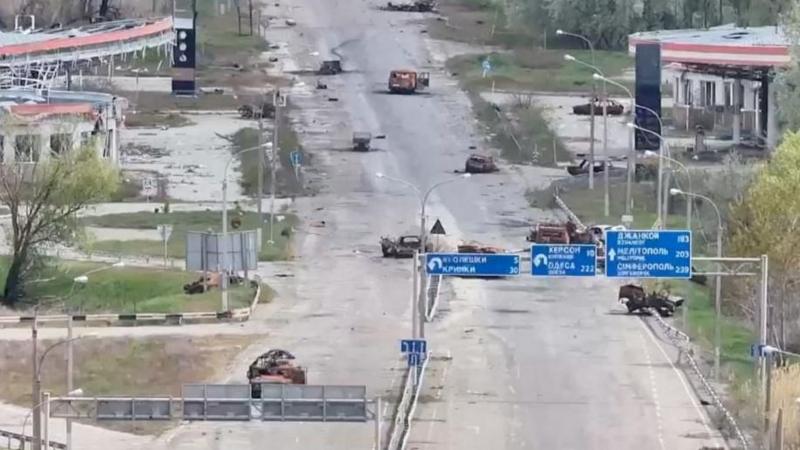 Image source, Reuters/Handout
The people of Oleshky have had no electricity for years and no access to food or water
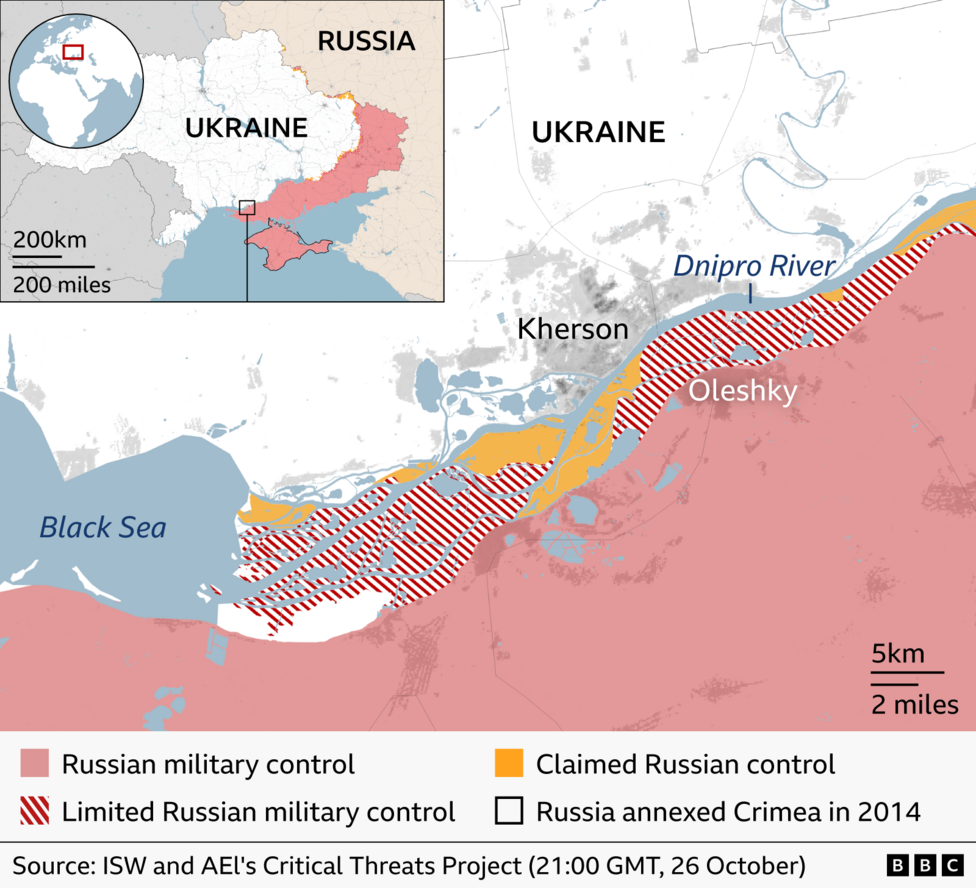
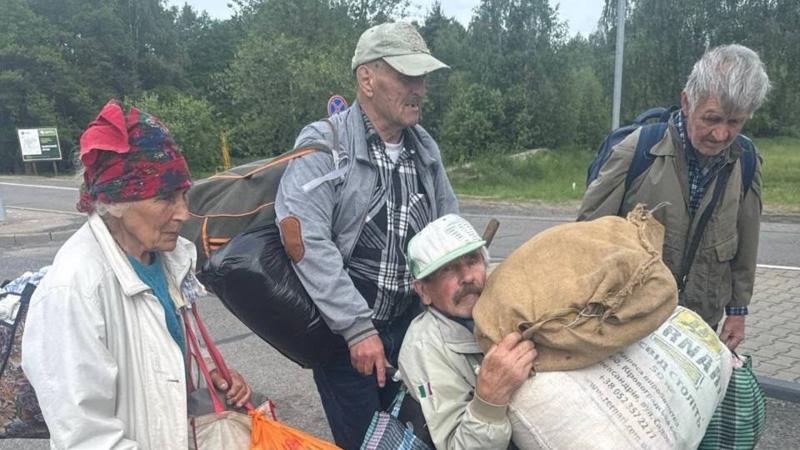 Image source, Ksenia Arkhipova
These residents were able to get out of Oleshky in spring this year
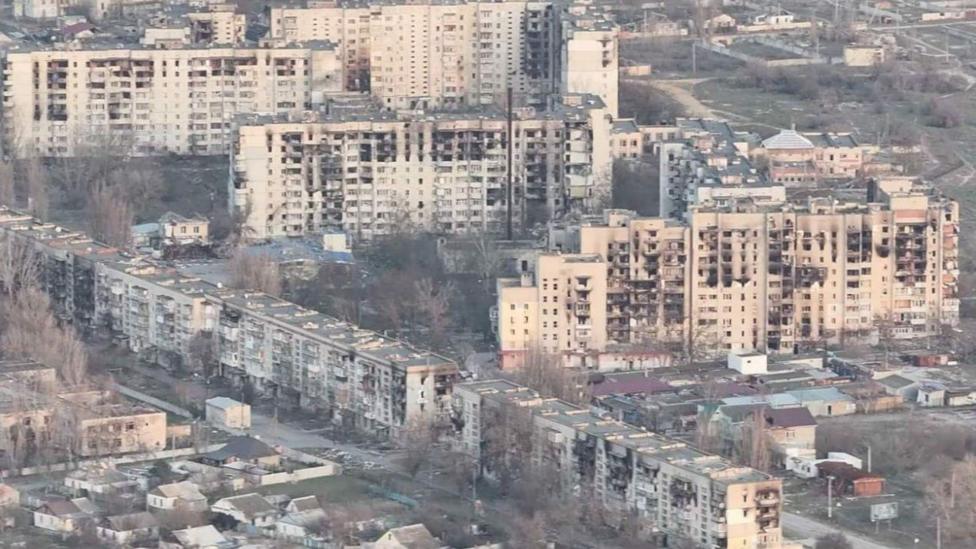 Image source, Ombudsman Dmytro Lubinets
Oleshky has been under Russian occupation since 2022 and its people are now trapped